Product List
お問い合わせ
メール:qiao@hvtest.cc
携帯電話:+8615871365102
アプリとは:+8615871365102
-
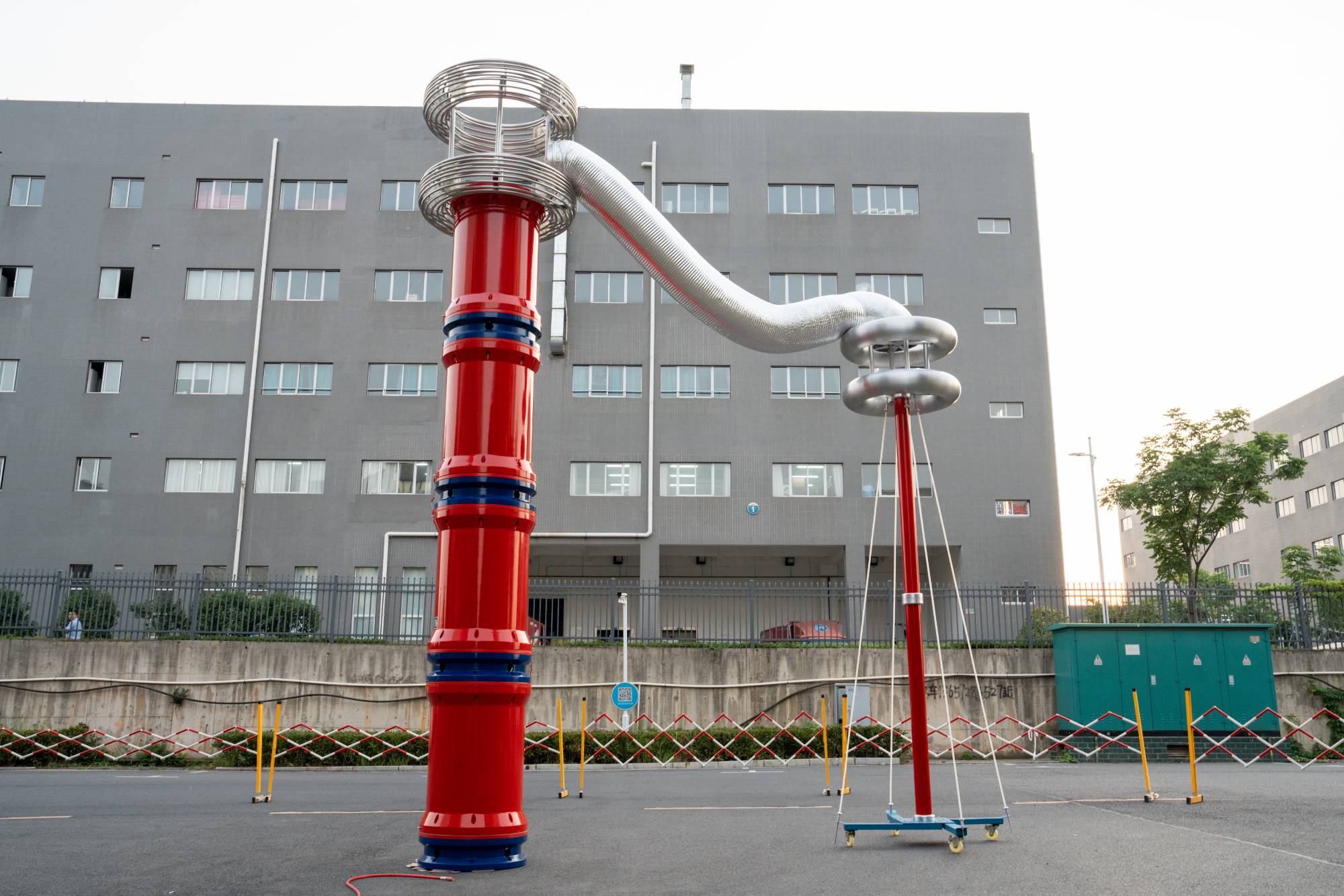
How to Choose Testing Equipment for a 220kV Substation
2026-10-14As a hub node of the regional power grid, the 220kV substation undertakes the core functions of power transmission and voltage regulation, and its equipment status directly affects the reliability of downstream industrial production and residential electricity consumption. The appropriate selection of testing equipment determines whether handover testing and preventive testing can effectively identify insulation hazards and verify protection logic. Improper selection can result in idle and wasteful equipment, and in severe cases, hidden defects can be overlooked due to testing blind spots, posing risks to the operation after commissioning.The starting point of selection is a clear judgment of the test object. The testing requirements for 220kV substations can be roughly divided into four categories: transformer category (main transformer induction withstand voltage, partial discharge, dielectric loss, DC resistance), switch category (circuit breaker mechanical characteristics, circuit
もっと -
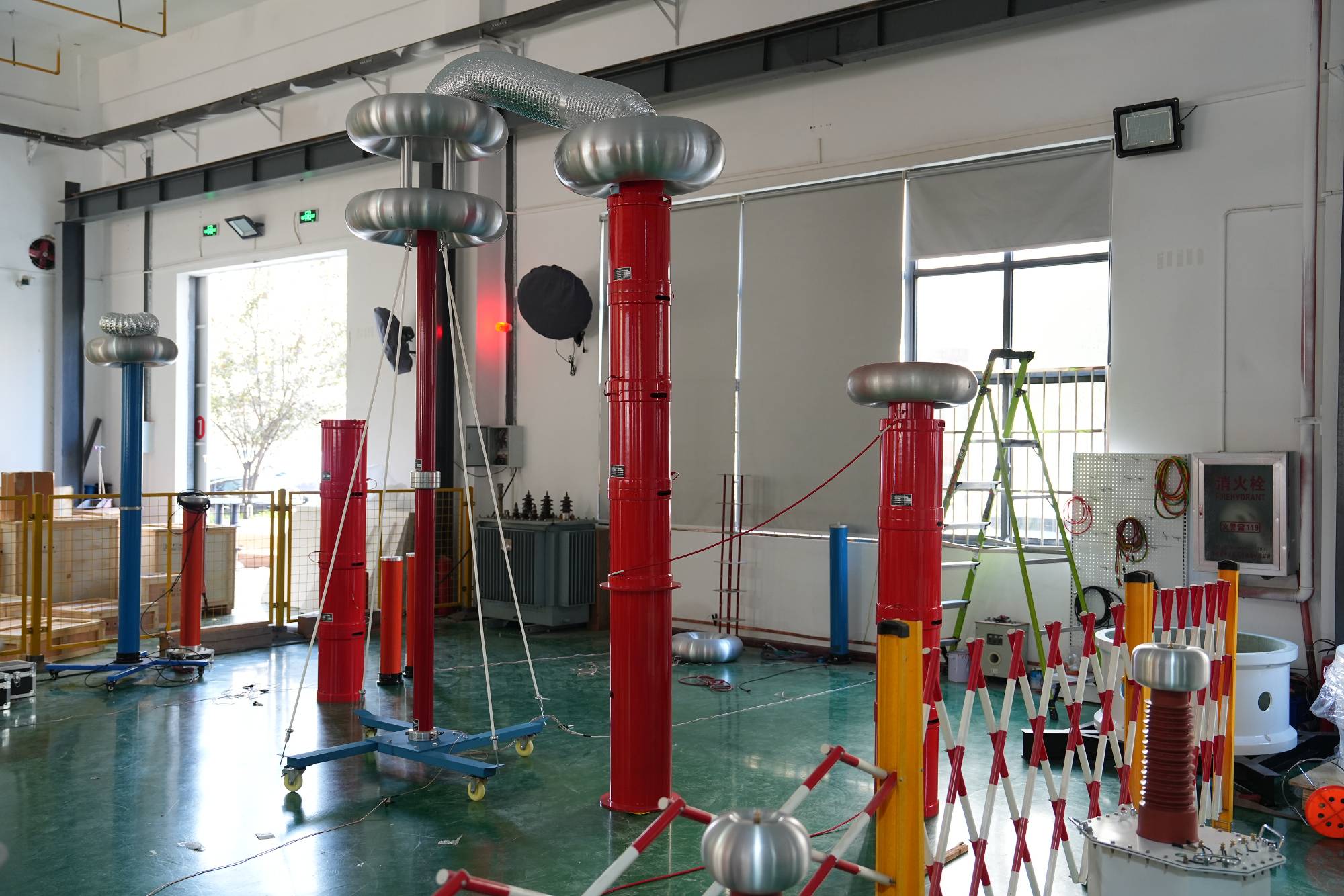
How to Choose Cable Testing Equipment for New Cable Commissioning
2026-10-12With the acceleration of power grid construction and the large-scale integration of new energy projects, the handover test of newly built cable lines has become a key link to ensure the safe operation of the power system. However, faced with a wide variety of testing equipment on the market, many engineering and technical personnel feel confused when selecting: what "physical examination" tools should be equipped for new cable operation? How to match the most suitable testing plan for cables with different voltage levels and installation environments?First, clarify "what to test": the core test item for the operation of new cablesThe goal of the new cable commissioning test is to verify whether the cable is damaged during transportation, laying, and accessory installation, and to ensure that the insulation performance meets operational requirements. According to the IEEE 400 series standards and relevant regulations such as GB 50150 and DL/T 849.6 in China, a complete cable commissioni
もっと -
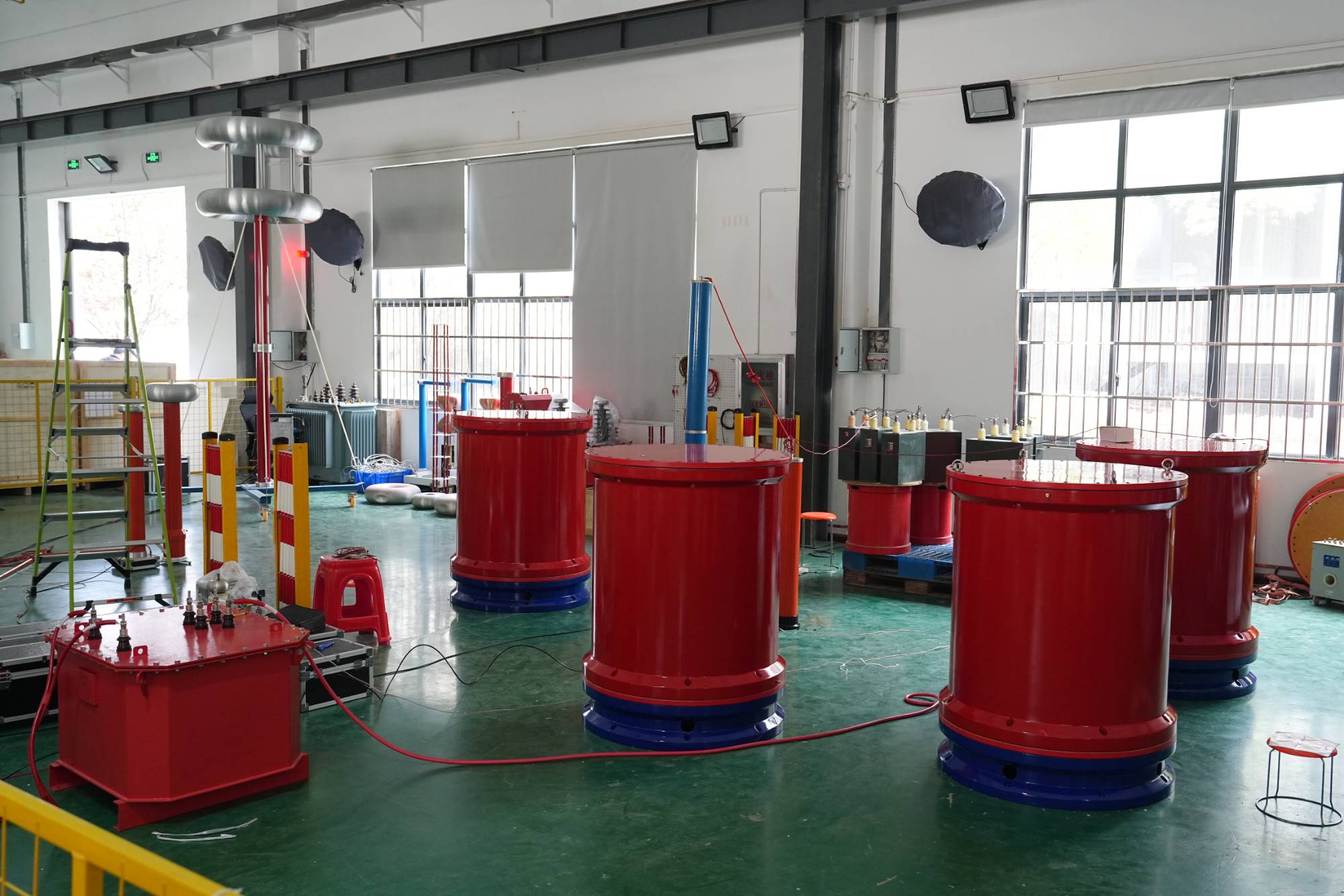
How to Choose Electrical Testing Equipment for Substations
2026-10-12With the acceleration of the construction of new power systems, the voltage level of substations continues to increase, and the operating environment of equipment is becoming increasingly complex. The scientific selection of electrical testing equipment has become a key link in ensuring the safe operation of the power grid. Faced with a wide variety of testing instruments in the market, how to choose the right equipment and use it well is a challenge that every power operation and maintenance personnel must face.Standard procedures come first, selection is based on evidenceEquipment selection is not an imagination, it must strictly follow the technical standards issued by the country and industry. The "DL/T 596-2021 Preventive Testing Regulations for Power Equipment" provides a detailed list of testing items, cycles, and qualification criteria for equipment such as transformers, circuit breakers, cables, and lightning arresters. It is the fundamental guiding document for all selection
もっと -
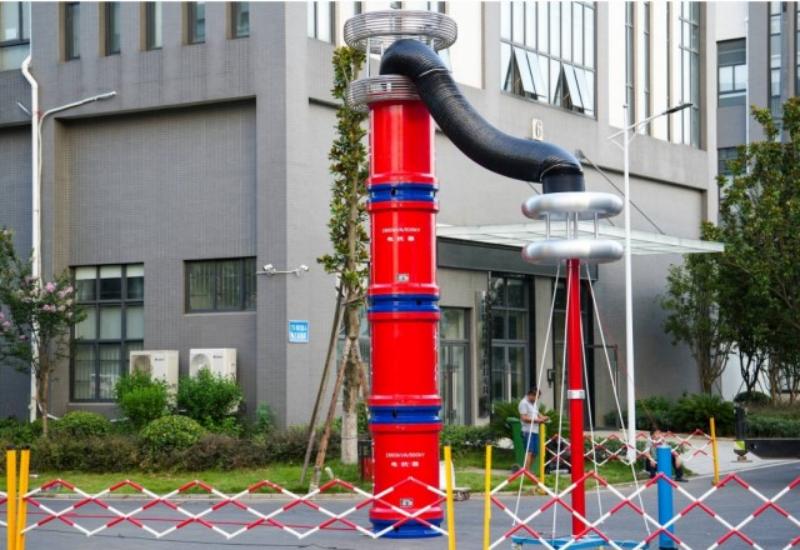
How to Select Cable Test Equipment by Cable Capacitance
2026-10-09In the handover test and preventive test of power cables, cable capacitance is the core parameter that determines the selection of testing equipment. A 10kV cross-linked polyethylene cable has a capacitance of approximately 0.2 to 0.3 μ F per kilometer. As the length of the line increases, the capacitance value also increases, which poses completely different requirements for the capacity and frequency regulation capability of the testing equipment. The series of technical solutions and engineering practices recently released by Wuhan UHV Power Technology Co., Ltd. have revealed the selection logic based on capacitors for the industry.Why is capacitance the first variable for selectionCables are essentially typical capacitive loads. The larger the capacitance, the greater the capacitive current required at the same test voltage, and the testing equipment must provide sufficient current output capability to complete the boost. The reason why series resonant devices have become the mains
もっと -
How to Choose Cable Testing Equipment for Submarine Cables
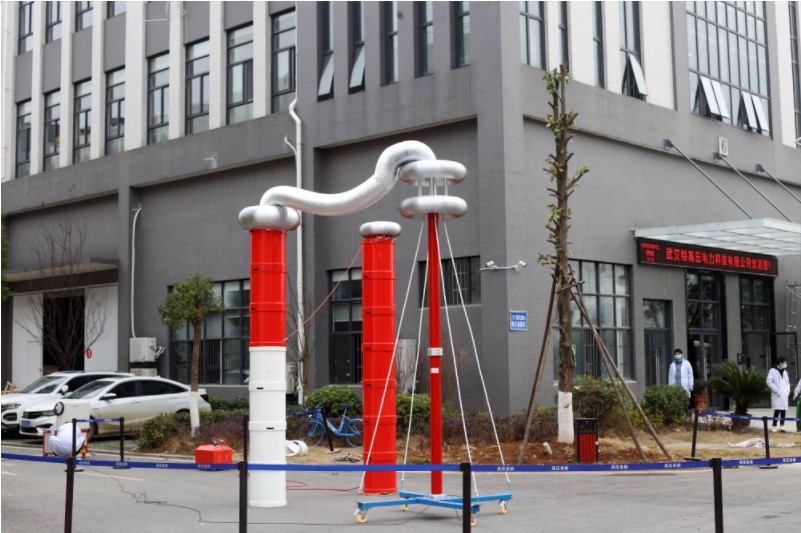
2026-10-09Submarine cables carry the majority of intercontinental data traffic and are increasingly becoming the backbone of offshore wind farm power transmission. Unlike land-based cables, they operate in one of the most harsh environments on Earth - continuous exposure to seawater, immense hydrostatic pressure, and mechanical stress from laying and recycling operations. An insulation defect in a high-voltage submarine cable can cause a power outage that costs millions of dollars and takes several months to repair. Therefore, choosing appropriate testing equipment is not a procurement form, but a risk management decision.Priority given to voltage level and cable typeThe most important single selection parameter is the rated voltage of the tested cable. 10kV distribution submarine cables and 220kV transmission submarine cables require completely different test configurations. For AC submarine cables with a rated voltage not exceeding 35kV, a variable frequency series resonance test system with a
もっと -
How to Choose Cable Testing Equipment for HV Cables
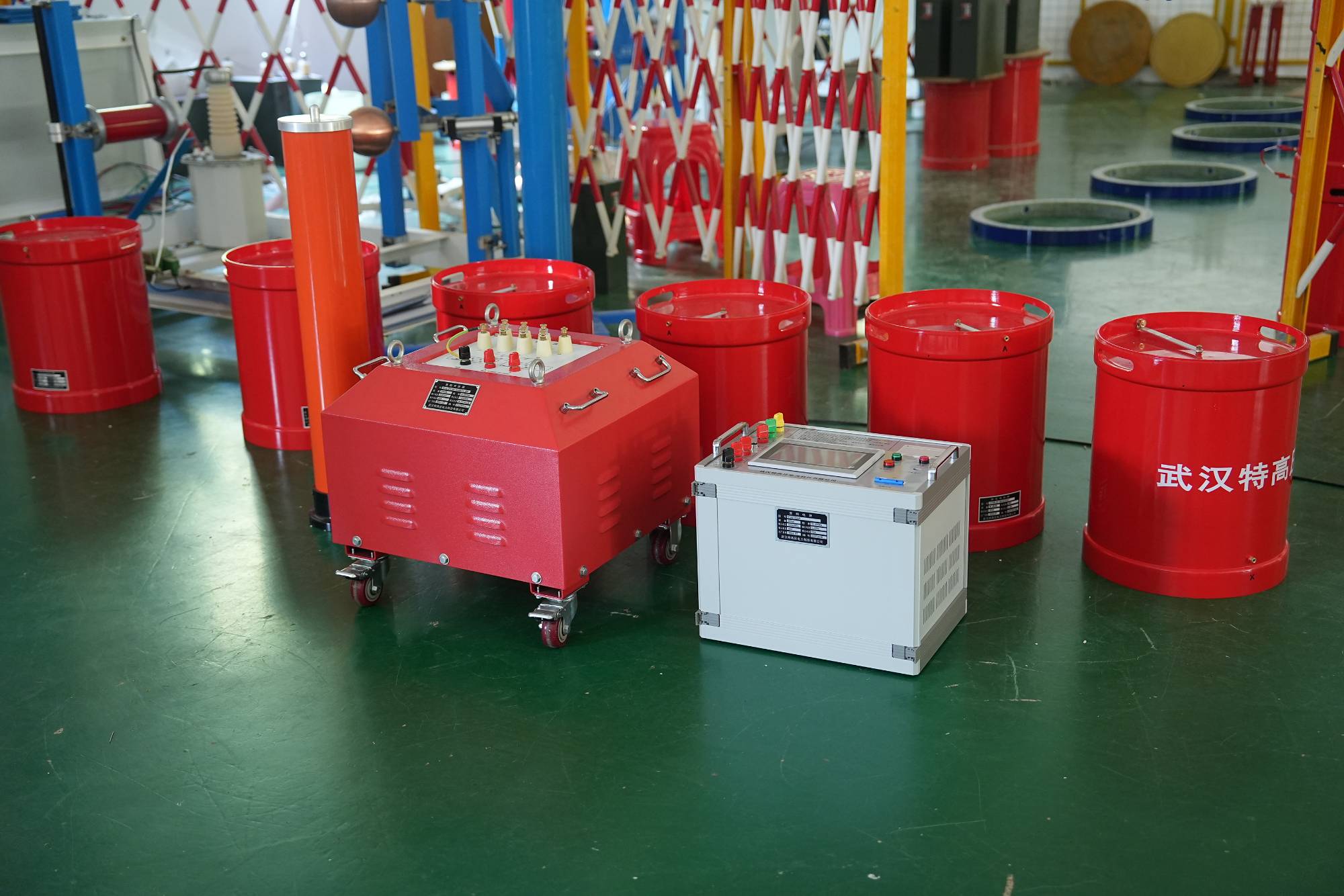
2026-10-08In the operation and maintenance of power systems, the selection of high-voltage cable testing equipment is not simply a matter of "purchasing according to budget". The consequences of selection deviation are often exposed on the test site - equipment cannot reach the rated voltage, reactor configuration does not match the actual capacitance, and long-distance cable fault location accuracy is insufficient. These problems can cause delays in the construction period, or even lead to test failure or equipment damage. Wuhan UHV Power Technology Co., Ltd. has been rooted in the field of high-voltage electrical measurement for more than 20 years. Combining thousands of on-site application cases, it has developed a selection logic centered around the word "matching".The first threshold for selection: the parameters of the test sample determine everythingRegardless of the type of testing equipment purchased, a set of basic data must be clearly defined before selection: voltage level, length, c
もっと -
How to Choose Power Cable Testing Equipment
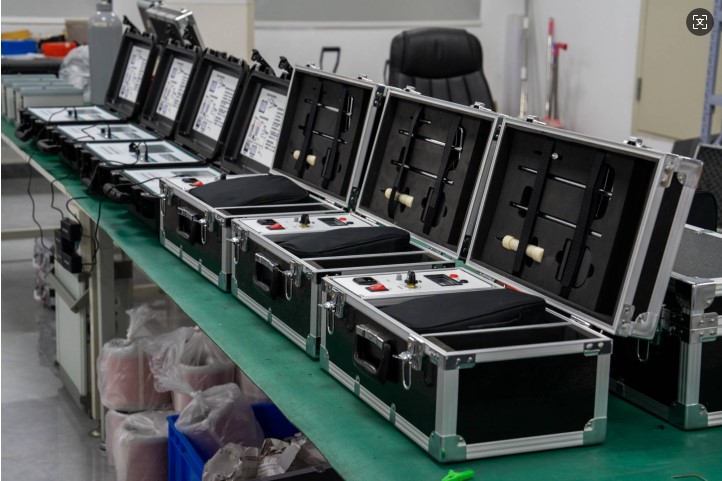
2026-09-30With the large-scale application of power cables in transmission and distribution networks, the rapid localization of cable faults and accurate assessment of insulation status have become the core challenges of operation and maintenance work. How to make a scientific selection of testing equipment in the face of a variety of categories in the market directly affects the reliability of experimental data and the safety and efficiency of on-site operations. Wuhan UHV Power Technology Co., Ltd. has been rooted in the field of high-voltage electrical measurement for more than 20 years, and its product system and selection practice provide a valuable perspective for this issue.First, recognize the testing requirements: fault location and insulation diagnosis are two main linesPower cable testing equipment can be roughly classified into two directions. One is fault location and path detection, which is used to quickly locate the fault point and determine the direction of the cable after a sho
もっと -
How to Choose Portable Relay Protection Test Equipment
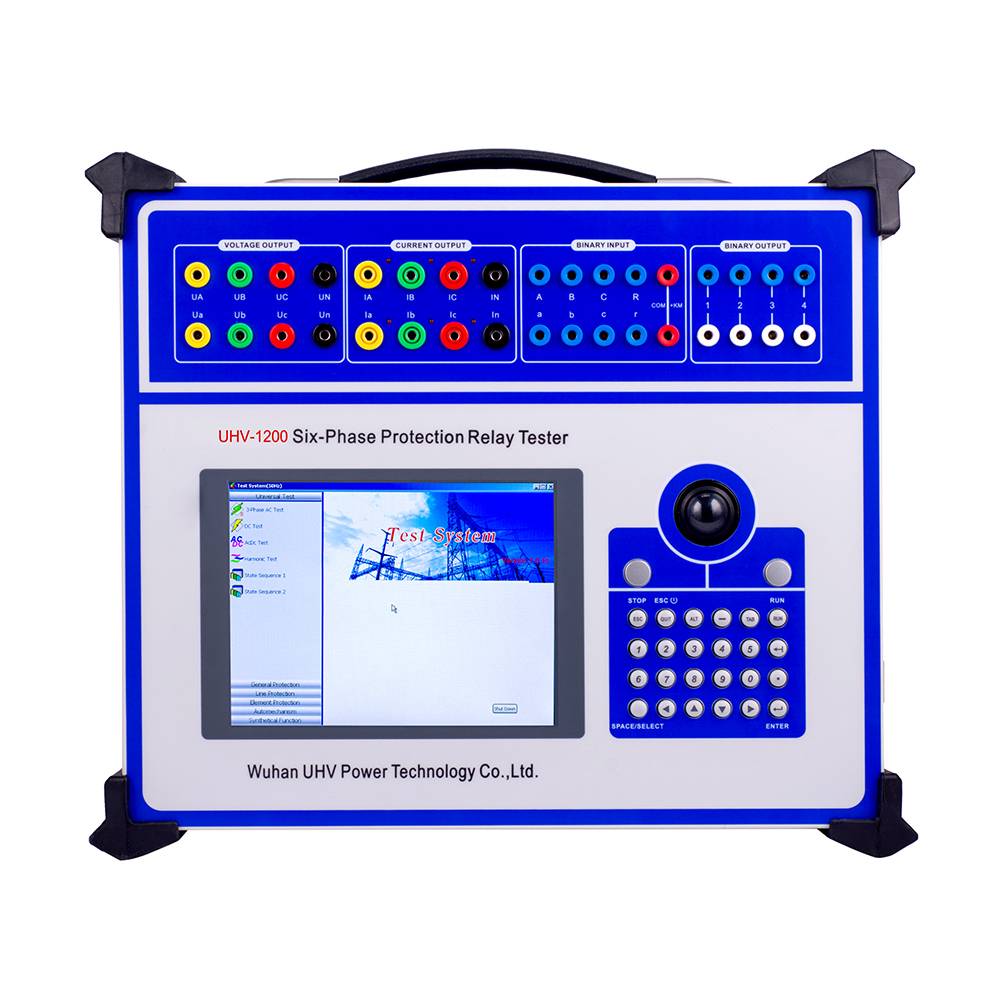
2026-09-29With the intelligent upgrade of the power grid and the large-scale integration of new energy, the demand for on-site verification of relay protection devices continues to grow. In this context, how to choose a portable testing device that truly meets on-site needs has become a practical problem faced by power operation and maintenance personnel.Step 1: Clarify the testing tasks and usage scenariosThe starting point of selection is to define "what to test" and "where to test". The requirements for equipment in laboratory factory debugging and on-site maintenance of substations are completely different. On site operation and maintenance scenarios should prioritize models that are portable, sturdy, easy to operate, and have strong battery life; Complex fault reproduction and deep analysis require equipment with multi-channel synchronization and high-performance computing capabilities. The user base of portable devices has expanded from traditional power companies to the electrical mainten
もっと -
How to Choose a Relay Tester for Differential Protection
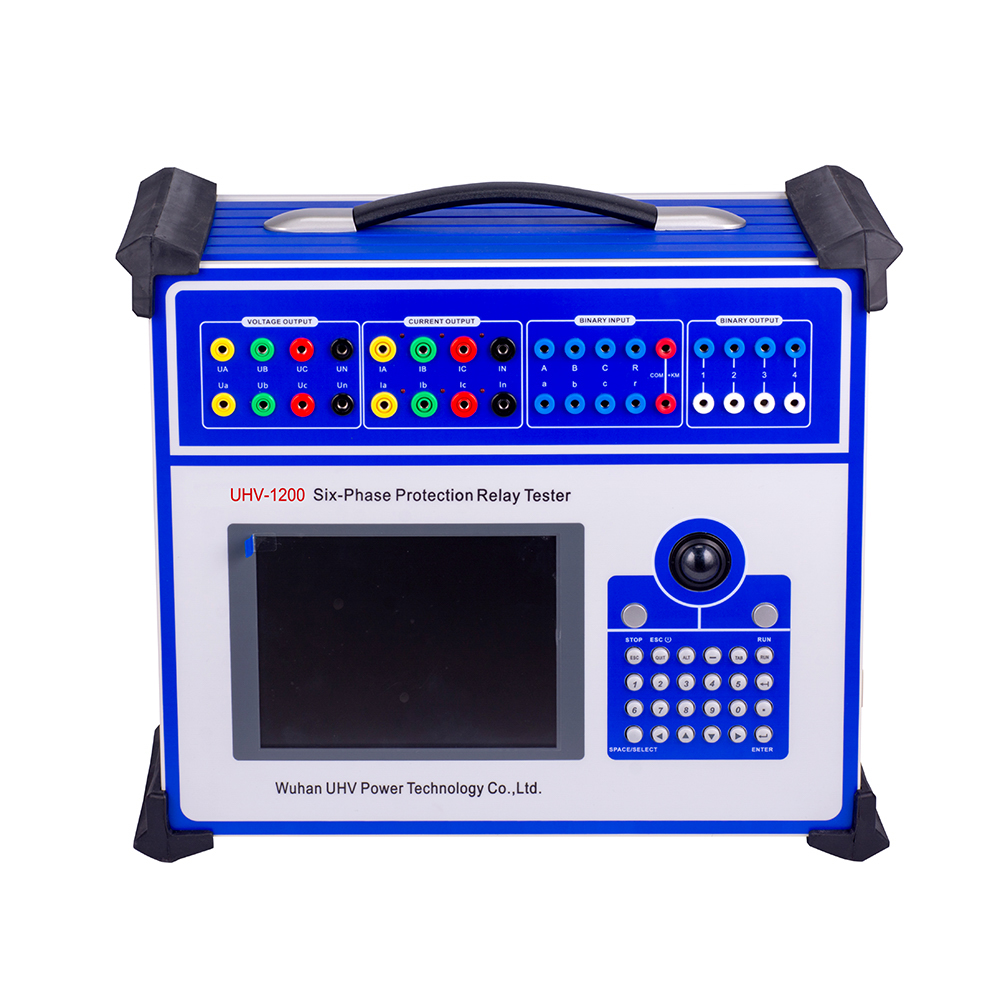
2026-09-28In the daily verification of relay protection, the selection of differential relay protection tester directly affects the reliability of the main equipment protection action. The action logic of transformer, generator, and busbar differential protection relies on accurate comparison of the amplitude and phase relationship of the currents on each side. Once the tester leaves a gap in accuracy or channel configuration, the verification conclusion may be distorted. Based on the product information and on-site application records published on the official website of Wuhan UHV Power Technology Co., Ltd., the selection can be confirmed item by item from several aspects such as voltage level matching, current channel configuration, output accuracy, and brand service capability.Voltage level determines basic configurationThe starting point of selection is to clarify the highest voltage level of the equipment under the jurisdiction of this unit. The specifications for testing instruments are co
もっと -
How to Select Primary Current Injection Equipment by Output Current
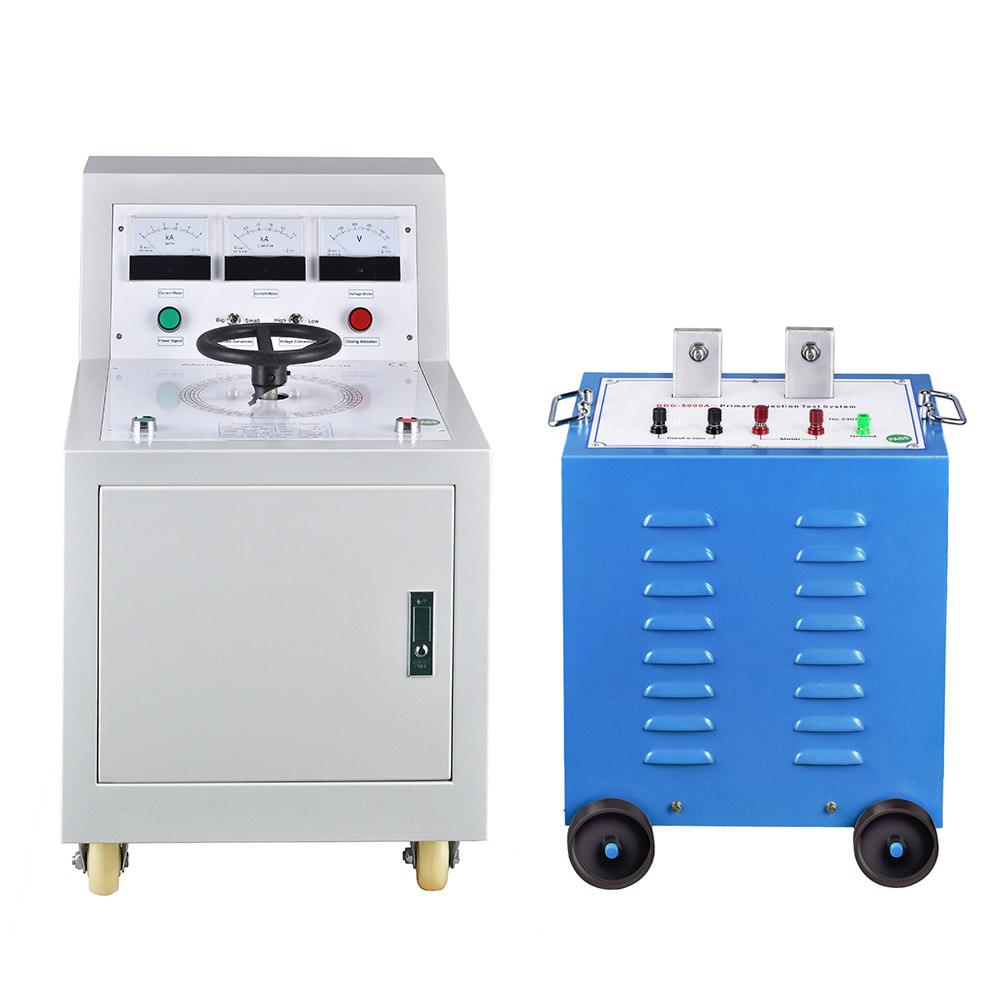
2026-09-24In the handover test and preventive maintenance of the power system, primary current injection equipment is the core equipment for circuit breaker thermal stability verification, current transformer ratio testing, and busbar current carrying capacity verification. Faced with numerous models ranging from hundreds of amperes to tens of thousands of amperes, output current is the first parameter to be clarified when selecting - but it is also the most easily simplified parameter.Output current: bottom line rather than unique scaleWhen selecting a primary current injection device, the rated output current must be greater than the maximum test current required by the tested device, which is the hard bottom line to ensure that the test can be completed. Wuhan UHV Power Technology Co., Ltd. pointed out in its product design specifications that users should pay close attention to parameters including rated output current, rated capacity (or voltage), continuous working time, and measurement ac
もっと -
How to Choose a Secondary Current Injection Test Set
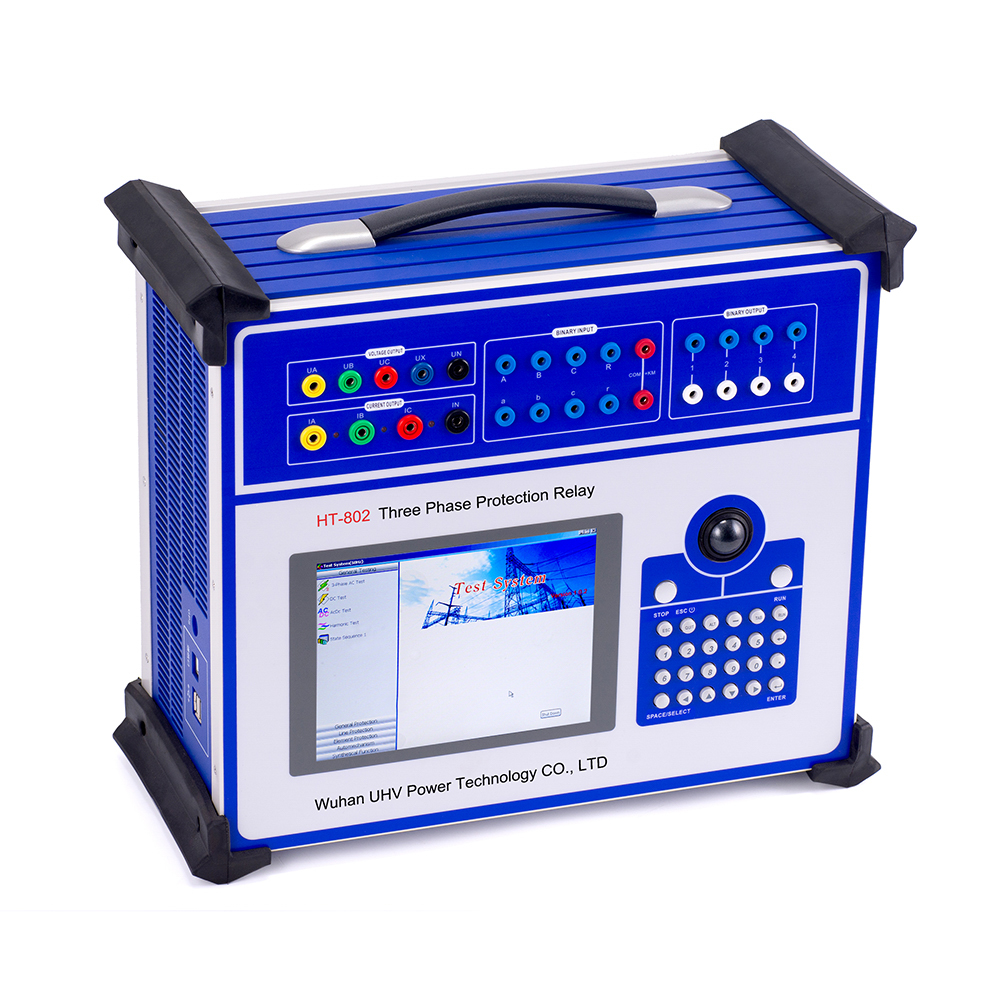
2026-09-23In the field of power system relay protection, secondary current injection testing is the core means of verifying the logical correctness and operational reliability of protection devices. With the rapid advancement of smart grids and digital substations, how to choose a secondary current injection tester that is suitable for actual needs has become a practical problem faced by many power operation and commissioning teams.Clear testing scenario: division of labor between secondary injection and primary injectionThe first step in choosing a secondary current injection tester is to clarify its boundary with the primary current injection test. A current injection test directly applies simulated fault current to a primary circuit, covering the full chain verification from circuit breakers, transformers to protection devices. It is suitable for scenarios such as new station operation acceptance and full chain verification after faults. The secondary current injection equipment applies small
もっと -
Circuit Breaker Analyzer vs Contact Resistance Tester: Which Should You Choose?
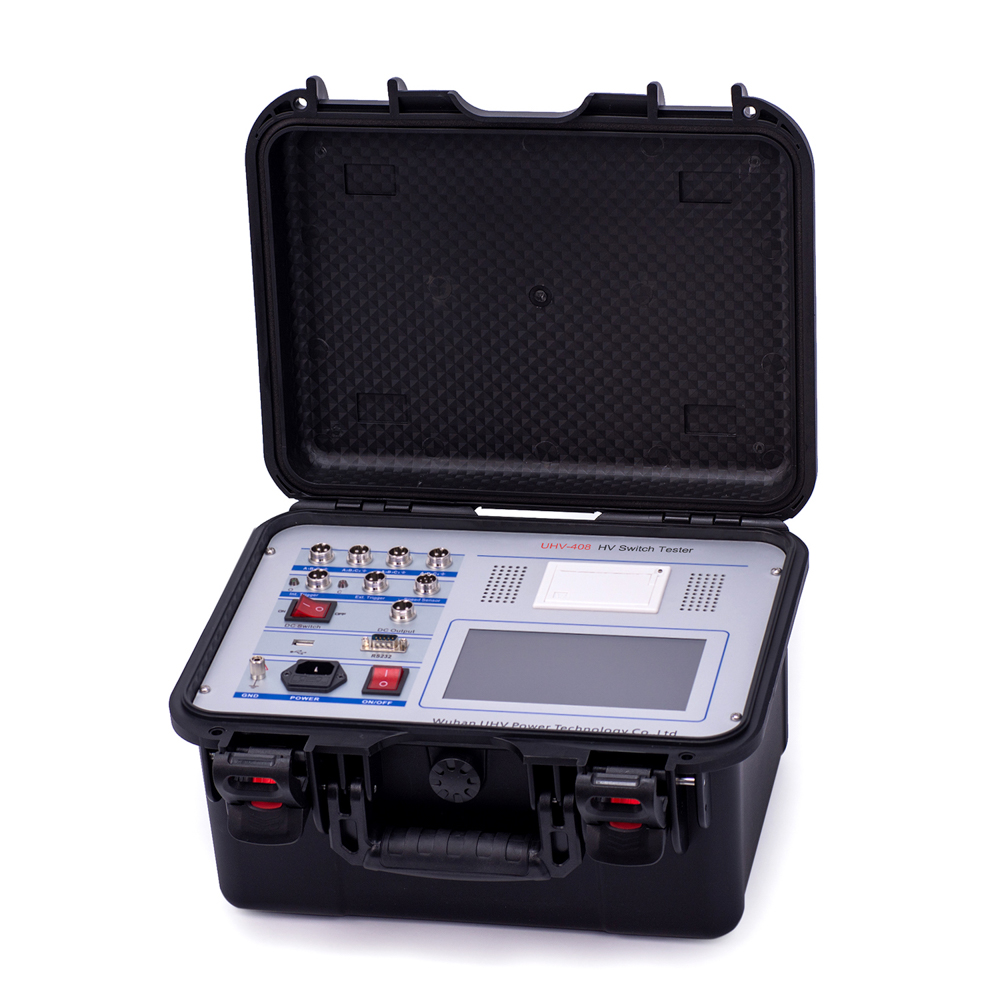
2026-09-22At the substation maintenance site, many power testers have faced the same problem: which one should they bring with them - the circuit breaker analyzer and the contact resistance tester? Or do we have to bring both? The answer to this question depends on your actual needs for the depth of diagnosis of the health status of the circuit breaker.The circuit breaker analyzer is essentially a mechanical characteristic diagnostic system. Its core task is to capture the three-dimensional data of "time, speed, and travel" during the action of the circuit breaker. Taking the UHV-408 high-voltage switch characteristic tester of Wuhan UHV Power Technology Co., Ltd. as an example, the equipment can measure more than 20 mechanical parameters such as opening and closing time, different periods between phases, bounce time and frequency, rigid opening and closing speed, moving contact stroke, overtravel, etc., with a time measurement accuracy of ± 0.1 milliseconds. These data directly reflect the heal
もっと -
How to Choose a Dynamic Resistance Measurement System
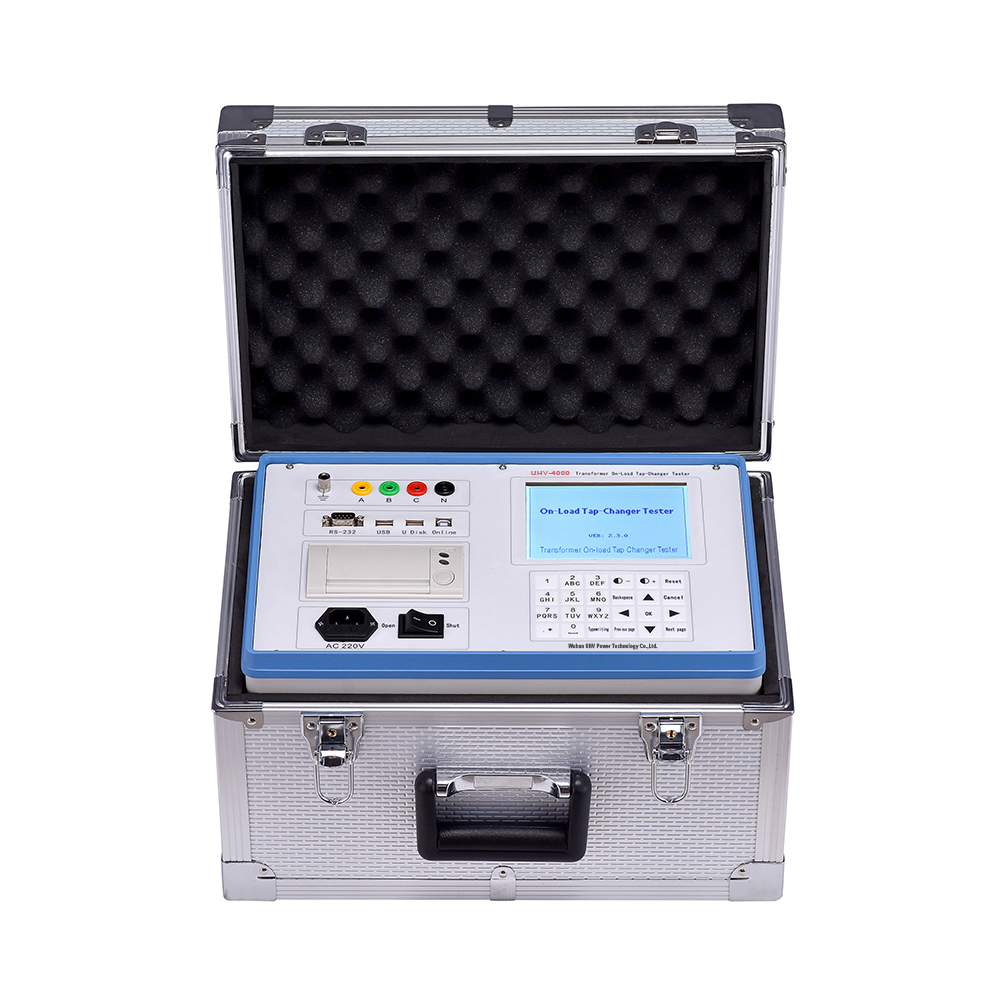
2026-09-20The switching process of an on load tap changer is usually completed within a few tens of milliseconds. The disconnection of contacts, the introduction of transition resistors, and the reconnection of contacts all occur in an instant where the naked eye cannot react. Traditional DC resistance testing can only provide a static resistance value after the switching is complete, and it knows almost nothing about what happens during the switching process. And what the dynamic resistance measurement system needs to answer is precisely 'what happened during the process'. This determines that when selecting a device, one cannot only look at the nominal static accuracy value, but must start from the underlying logic of the measurement principle.The core of dynamic resistance measurement is to continuously inject a constant current test signal throughout the entire process of switch action, synchronously record the changes in circuit voltage drop, and thus restore the dynamic curve of re
もっと -
How to Choose Circuit Breaker Test Equipment for GIS
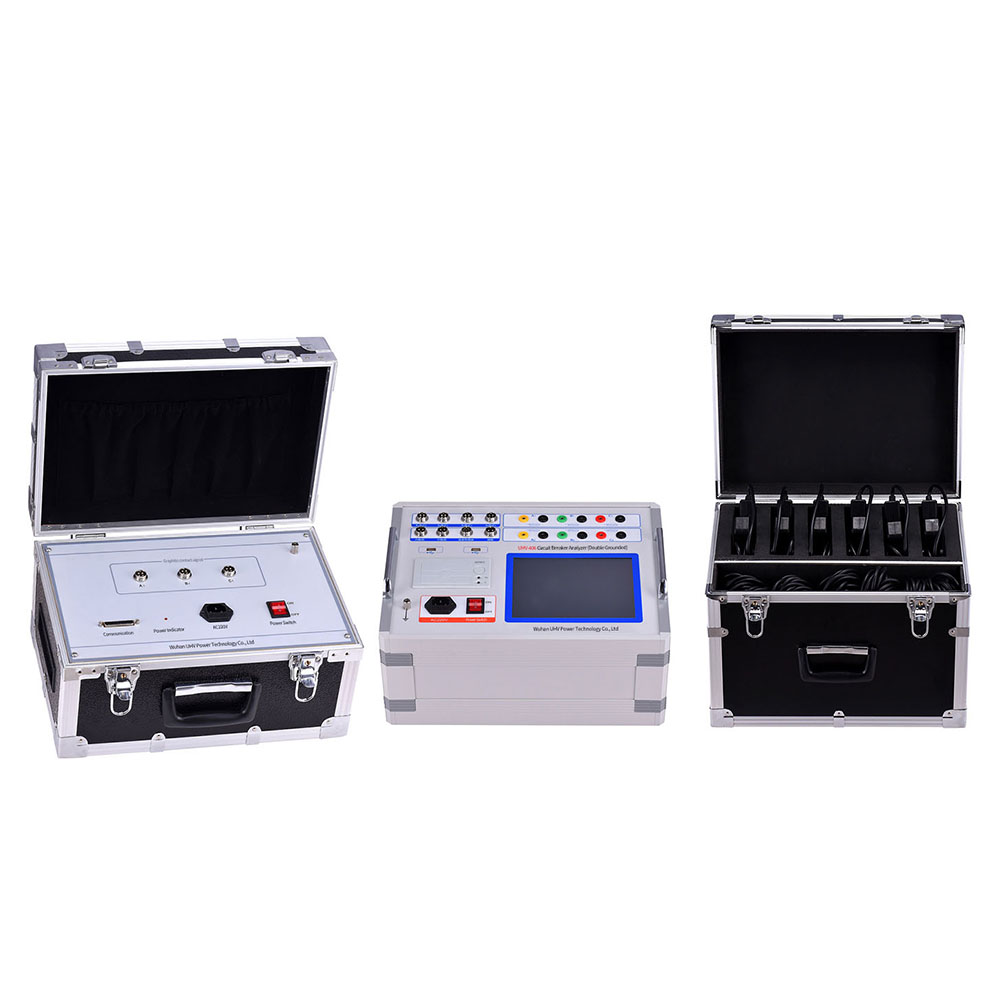
2026-09-20In the field of high-voltage switchgear testing, the circuit breaker testing of GIS composite electrical equipment has always been a difficult problem faced by on-site engineers. Unlike open devices, the circuit breaker contacts of GIS are completely enclosed in a metal shell filled with SF6 gas, and conventional test probes cannot touch the main contacts at all. Even more tricky is that according to safety regulations, both sides of the equipment must be reliably grounded during testing, and the grounding circuit will form a parallel path with the circuit breaker fracture. Traditional testing instruments are almost unable to capture the opening and closing action signals of the circuit breaker in this situation. Wuhan UHV Power Technology Co., Ltd. has accumulated a complete set of equipment selection ideas and on-site solutions around these challenges in more than 20 years of high-voltage electrical measurement practice.Understand the core challenges of GIS testingThe complexity of G
もっと -
How to Choose a Circuit Breaker Analyzer
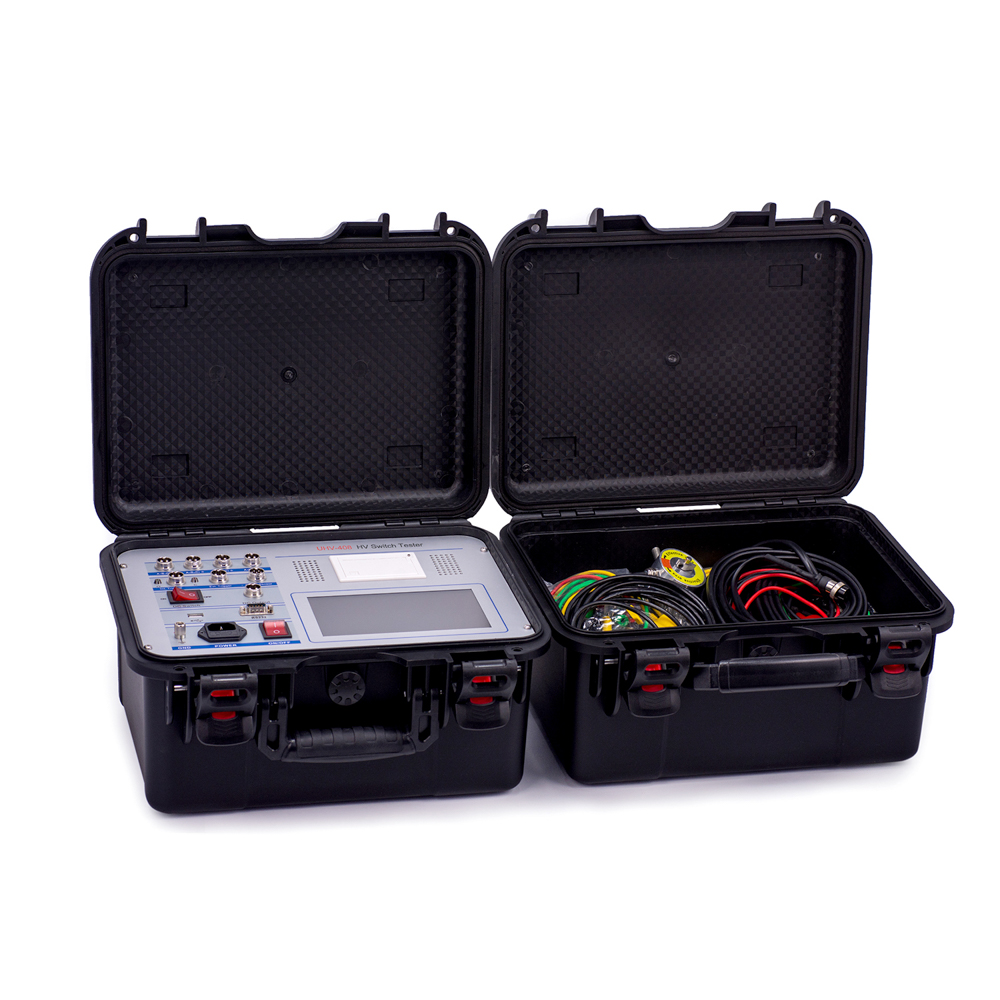
2026-09-18The global circuit breaker analyzer market is steadily expanding at a compound annual growth rate of approximately 5.0%, and is expected to reach a market size of 539 million US dollars by 2032. Behind the growth of the market is the increasing demand for refined assessment of circuit breaker status in the power industry. However, facing the numerous choices in the market from portable single function testers to integrated analysis systems, how to choose the truly applicable equipment is still a practical problem faced by many power operation and procurement personnel.In the view of Wuhan UHV Power Technology Co., Ltd., the selection decision of circuit breaker analyzers should start from the tested equipment itself. This enterprise, which has been deeply involved in the field of high-voltage electrical testing for 22 years, has a product system covering 15 major categories of products such as circuit breaker testing, series resonance testing devices, and relay protection testing. Base
もっと -
How to Choose a Transformer Insulation Resistance Tester
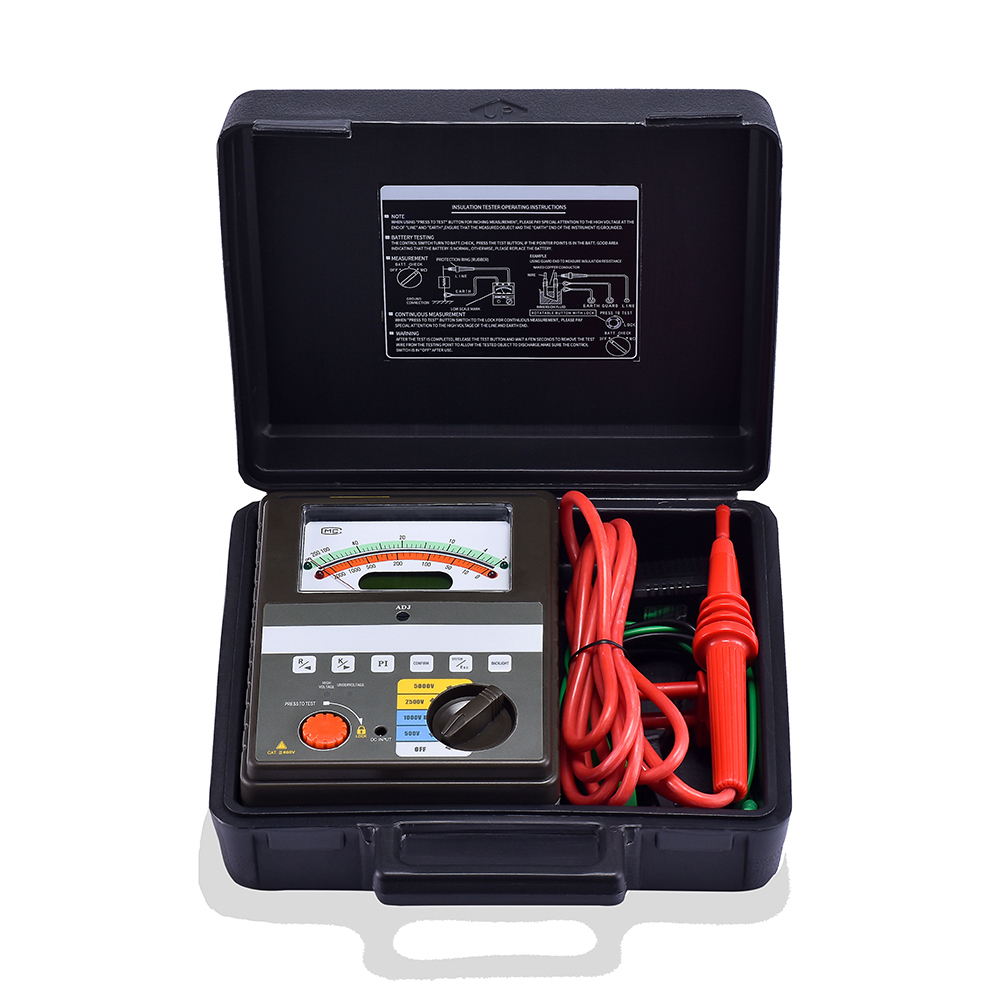
2026-09-16In preventive testing of power systems, transformer insulation resistance testing is the most fundamental and commonly used method to determine the main insulation condition of equipment. But an easily overlooked reality is that the reliability of test results often does not depend on the technical level of the operators, but is determined by the selection of testing equipment from the beginning. Choosing the wrong equipment makes it difficult to obtain valuable data even with standardized on-site operations.Voltage level matching is the first principle of selectionThe output voltage of the insulation resistance tester must strictly match the rated voltage level of the tested transformer, which is the most essential rule in selection. Insufficient output test voltage results in weak leakage current response of insulation defects under low voltage, making it difficult to reflect deep insulation degradation; If the voltage is too high, it may cause unnecessary stress on the insulation st
もっと -
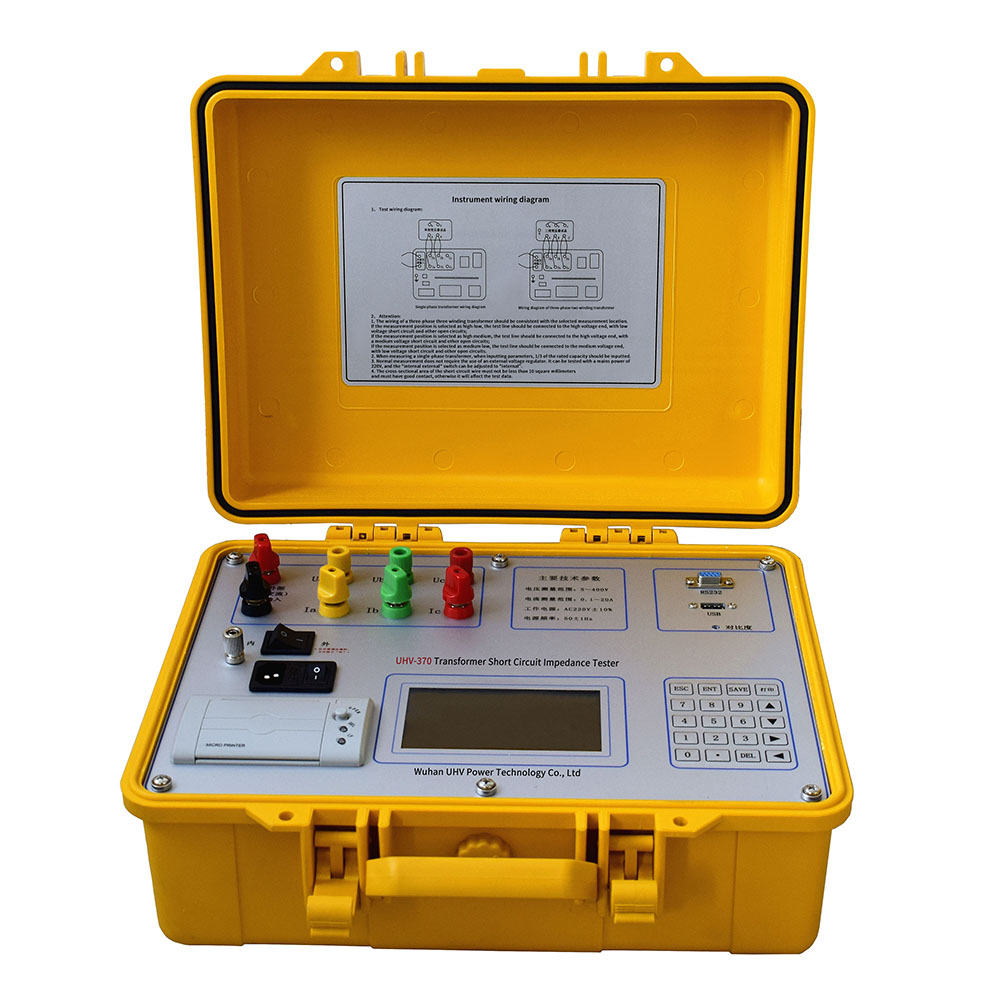
How to Choose Transformer Short-Circuit Impedance Test Equipment
2026-09-16In the chain of transformer manufacturing and operation, short-circuit impedance testing plays a key role in "winding health diagnosis". Low voltage short-circuit impedance test is the most direct method to identify whether the winding of a transformer is deformed after being subjected to mechanical force impact during transportation or installation or short-circuit current impact during operation. According to industry standards, attention should be paid when the relative deviation of short-circuit impedance exceeds 2%, and when it exceeds 5%, it can be judged that there is significant deformation in the winding. Therefore, how to choose a reliable transformer short-circuit impedance testing equipment has become a practical issue that power testers must face.Range matching is the first threshold. The voltage and current range are the core parameters when selecting. The voltage measurement range determines the voltage level of the transformer that the equipment can cover. The voltage r
もっと -
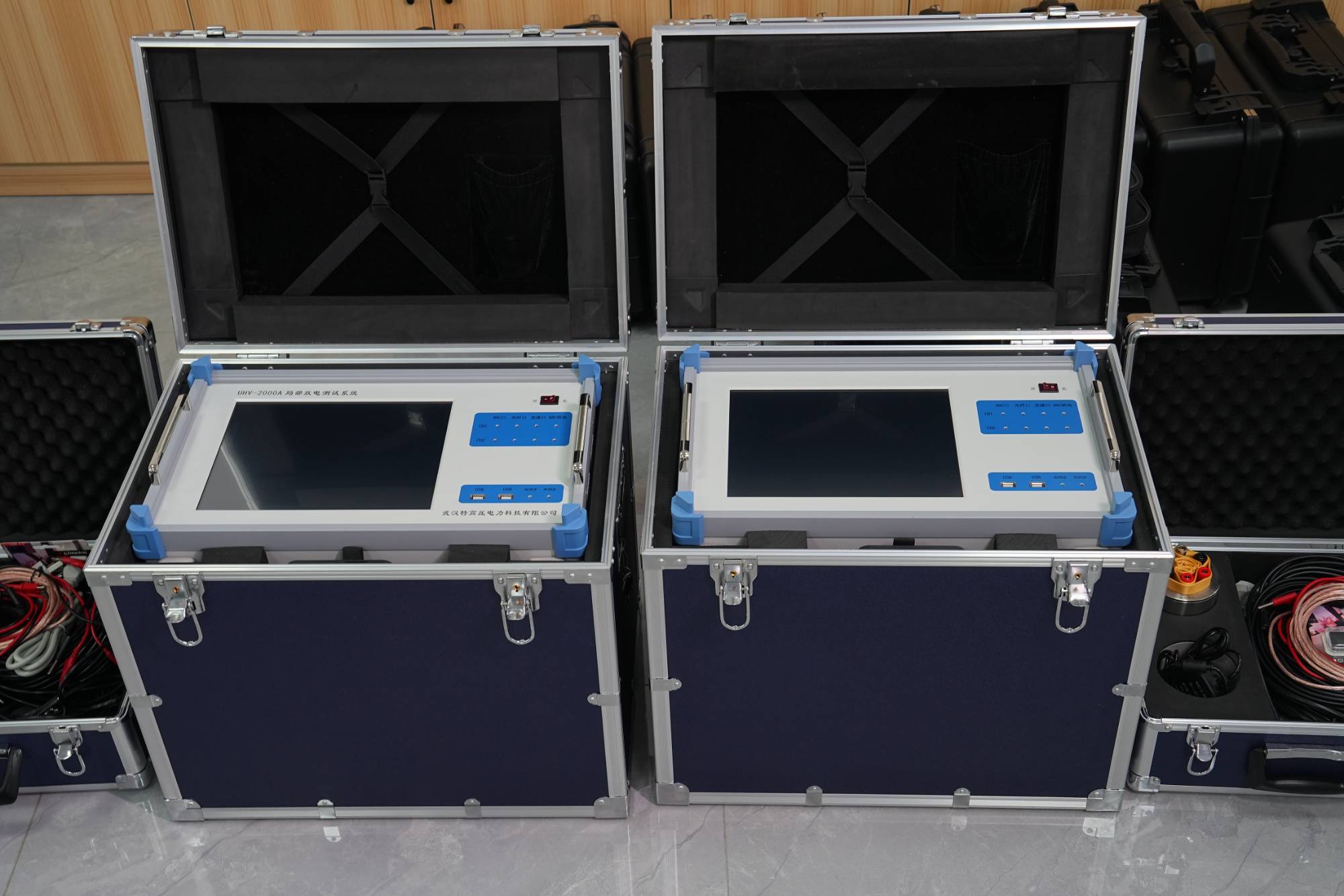
How to Choose Partial Discharge Equipment for Field Diagnosis
2026-09-14In today's increasingly normalized maintenance of power equipment, partial discharge detection has become one of the most direct means of discovering insulation hazards. But faced with a large number of products in the market, from handheld inspection devices to multi-channel complete systems, the practical problem faced by on-site operation and maintenance personnel is often not "whether to test", but "what to test and how to choose".First, distinguish between two types of scenarios: quantitative testing and live inspectionThe first step in selecting partial discharge equipment is to differentiate the usage scenarios. One type is quantitative measurement in type testing, factory testing, and handover testing, which has clear measurement requirements for sensitivity, range, and linearity. The other type is live inspection of equipment in operation, with the core requirement of rapid screening and preliminary positioning, and higher requirements for portability and anti-interference
もっと -
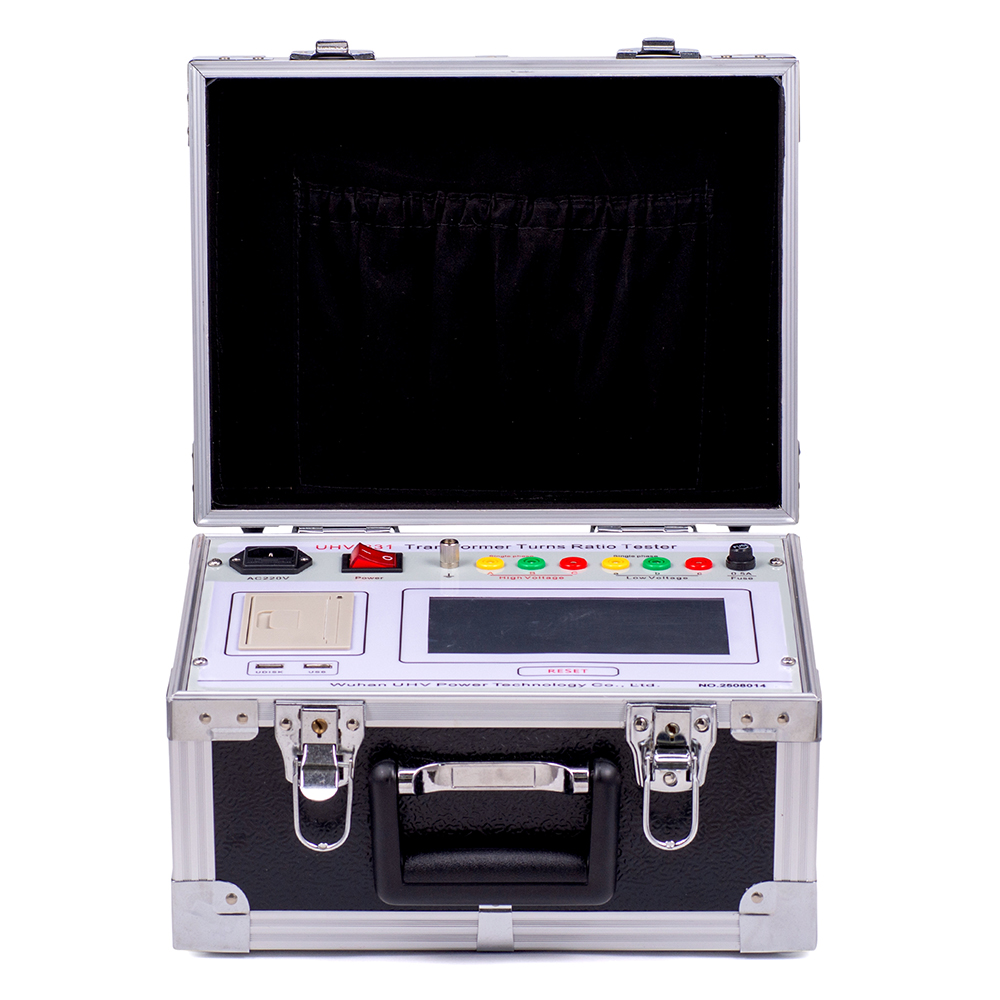
How to Choose a Transformer Turns Ratio Tester
2026-09-14Transformer ratio testing is an indispensable part of power equipment handover testing and preventive testing. According to the "Preventive Test Regulations for Power Equipment" and the "Handover Test Standards for Electrical Equipment in Electrical Equipment Installation Engineering", the transformation ratio test is listed as a mandatory test item for equipment grid connection and operation. Equipment that fails the test is strictly prohibited from being put into operation. This rigid requirement directly affects the reliability of detection data and the accuracy of equipment status evaluation in the selection of turns ratio testers.Faced with a wide variety of turns ratio testers in the market, procurement and technical personnel need to conduct systematic evaluations from multiple dimensions such as transformer asset coverage, accuracy level matching, functional integrity, and on-site adaptability, rather than making decisions based solely on brand or quotation.Accuracy level: the
もっと -
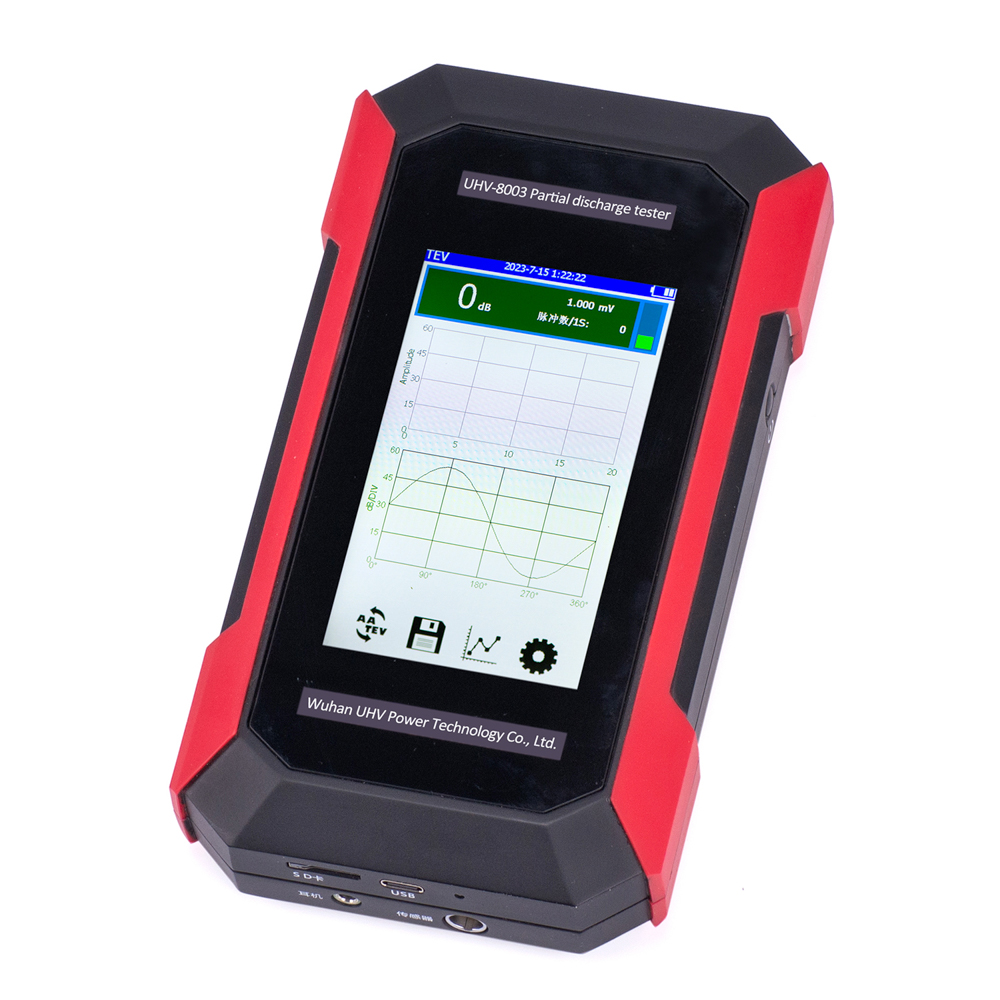
How to Choose a TEV Partial Discharge Detector
2026-09-10In the maintenance system of high-voltage power equipment, partial discharge detection has become one of the most effective means to discover insulation hazards. Among various partial discharge detection methods, transient earth voltage (TEV) detection has become the preferred solution for large-scale daily inspections of distribution network switchgear and ring main units due to its non-invasive operation, no need for power outages, and high detection efficiency.However, when facing TEV detection equipment with prices ranging from thousands to hundreds of thousands of yuan in the market, how to make reasonable selection judgments is a practical problem that every power operation and maintenance personnel needs to face. Based on the technical accumulation and product practice of Wuhan UHV Power Technology Co., Ltd. in the field of partial discharge testing, the selection points of TEV partial discharge detectors are summarized from three dimensions: core technical indicators, adaptatio
もっと