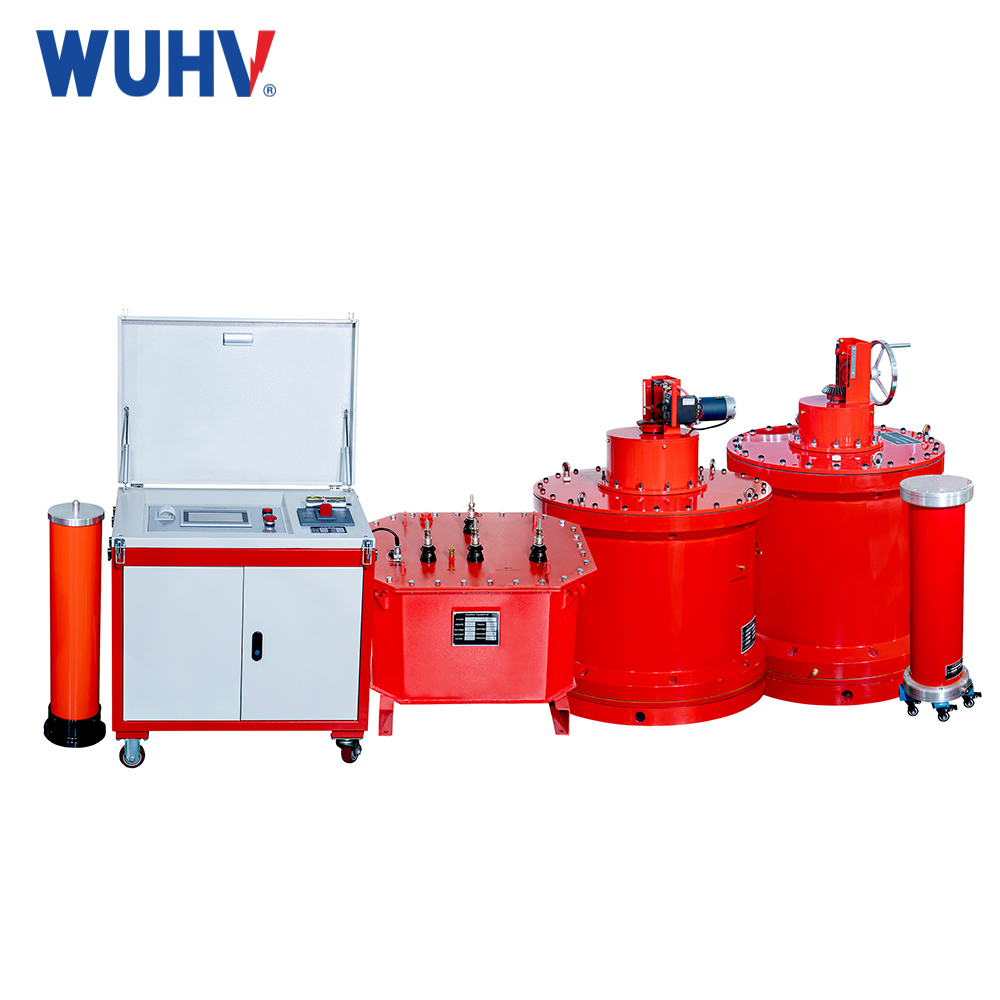
In the power system, the insulation status of equipment directly affects the reliability of operation. Partial discharge is like a "minor defect" in insulation materials. If not detected in a timely manner, it may cause serious equipment damage and even lead to power outages. What is partial discharge? Simply put, it is a discharge phenomenon that occurs when the electric field strength in a local area of an insulating medium exceeds the breakdown strength of the medium, but the overall insulation is not completely broken down.
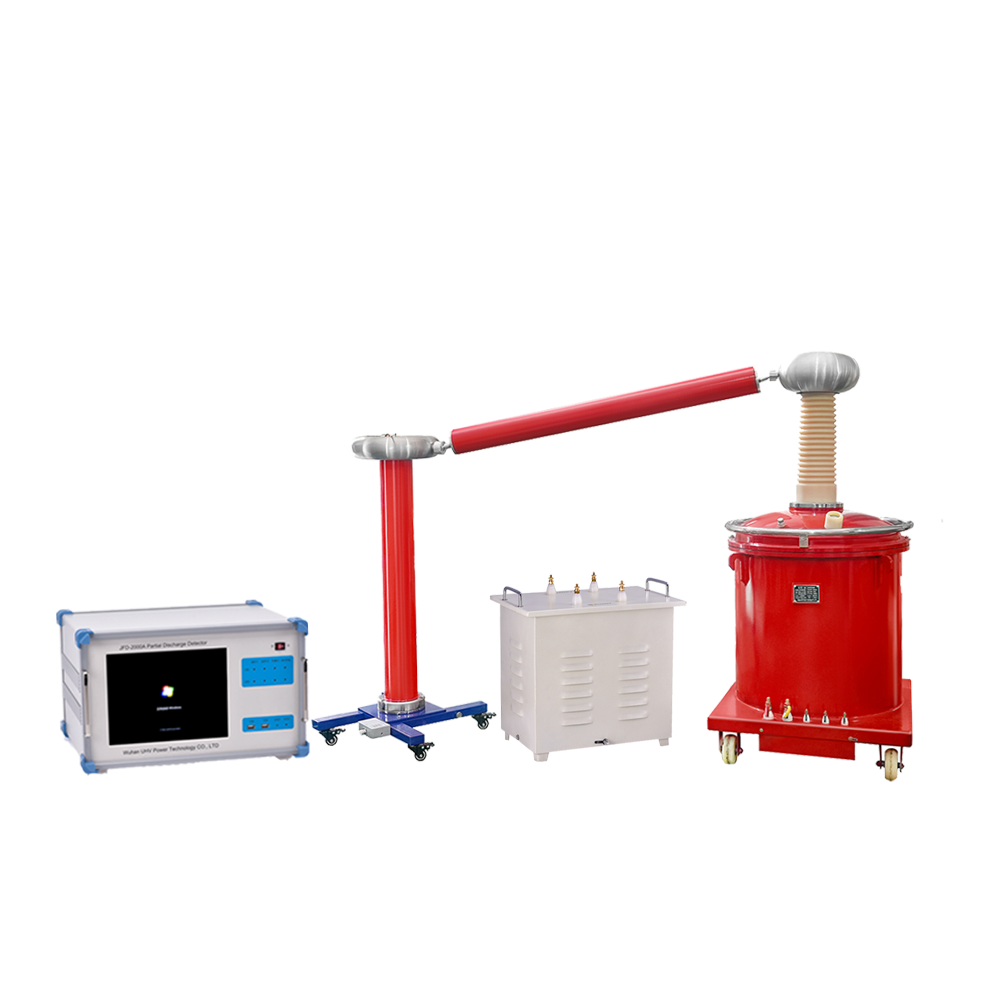
Exploring Partial Discharge Detection System
Why is partial discharge so deadly?
Strong concealment: The energy generated by early partial discharge is relatively small and difficult to detect.
Cumulative effect: Continuous partial discharge will gradually corrode insulation materials and accelerate insulation aging.
Potential risk: It may ultimately lead to insulation breakdown, equipment failure, and even equipment damage.
What are the 'behind the scenes' factors that affect partial discharge?
Insulation defects: air gaps, impurities, moisture, etc. inside the material.
Uneven distribution of electric field: Improper equipment design and installation can lead to excessively high electric fields in certain areas.
Operating environment: external factors such as high temperature, high humidity, and pollution.
Equipment aging: After long-term operation, the performance of insulation materials decreases.
Auscultation Tool: Partial Discharge Detection System
In order to 'uncover' these hidden 'minor issues', we have developed a partial discharge detection system. This system is like a stethoscope for electrical equipment, capturing and analyzing signals generated by partial discharge through various technical means.
Electrical signal detection: monitoring the instantaneous current pulses generated by partial discharge.
Sound signal detection: Capture ultrasonic signals emitted by partial discharge.
Optical signal detection: Observe the weak ultraviolet or visible light generated by partial discharge.
RF signal detection: Analyze the electromagnetic waves generated by partial discharge.
These detected signals are analyzed by the professional technical team of Wuhan UHV Power Technology Co., Ltd., which can determine the type, severity, and location of partial discharge, providing key basis for equipment maintenance.
What fields are closely related to partial discharge detection?
High voltage electrical equipment: such as transformers, mutual inductors, switchgear, cables, etc.
Insulation Materials Science: Used to study and evaluate the performance of insulation materials.
Equipment status monitoring: early warning to prevent unplanned shutdowns.
How to make partial discharge detection better?
Multi source fusion: Combining multiple detection techniques to improve the comprehensiveness and accuracy of detection.
Intelligent analysis: Utilizing big data and artificial intelligence technology to achieve more accurate diagnosis.
Online monitoring: Real time monitoring to prevent problems before they occur.
Refined diagnosis: Accurately identify the fault point and guide maintenance.
Wuhan UHV Power Technology Co., Ltd. has profound technical accumulation and rich practical experience in the field of partial discharge detection, and is committed to providing safer and more reliable equipment operation guarantee for the power industry. Their technology and products have contributed significantly to the stable operation of the power system in the monitoring and diagnosis of partial discharge.
frequently asked questions
Q: Will partial discharge necessarily cause equipment damage? A: Early mild partial discharge may not immediately cause equipment damage, but if not dealt with in a timely manner, its cumulative effect may ultimately lead to serious malfunctions.
Q: What are the common detection methods for partial discharge detection systems? A: Common methods include electrical signal method, acoustic signal method, optical signal method, and radio frequency signal method.
Q: Under what circumstances is partial discharge detection necessary? A: Partial discharge testing is recommended for high-voltage electrical equipment before commissioning, during operation, and during shutdown maintenance, especially for equipment that has been in operation for a long time or has potential defects.
Q: What are the difficulties in detecting partial discharge? A: The difficulty lies in the weak early discharge signal, which is susceptible to external interference and requires professional skills for accurate signal analysis and fault diagnosis.
Q: What services does Wuhan UHV Power Technology Co., Ltd. provide in partial discharge detection? A: Wuhan UHV Power Technology Co., Ltd. provides professional partial discharge detection equipment and technical services to help customers fully understand the insulation health status of high-voltage electrical equipment.