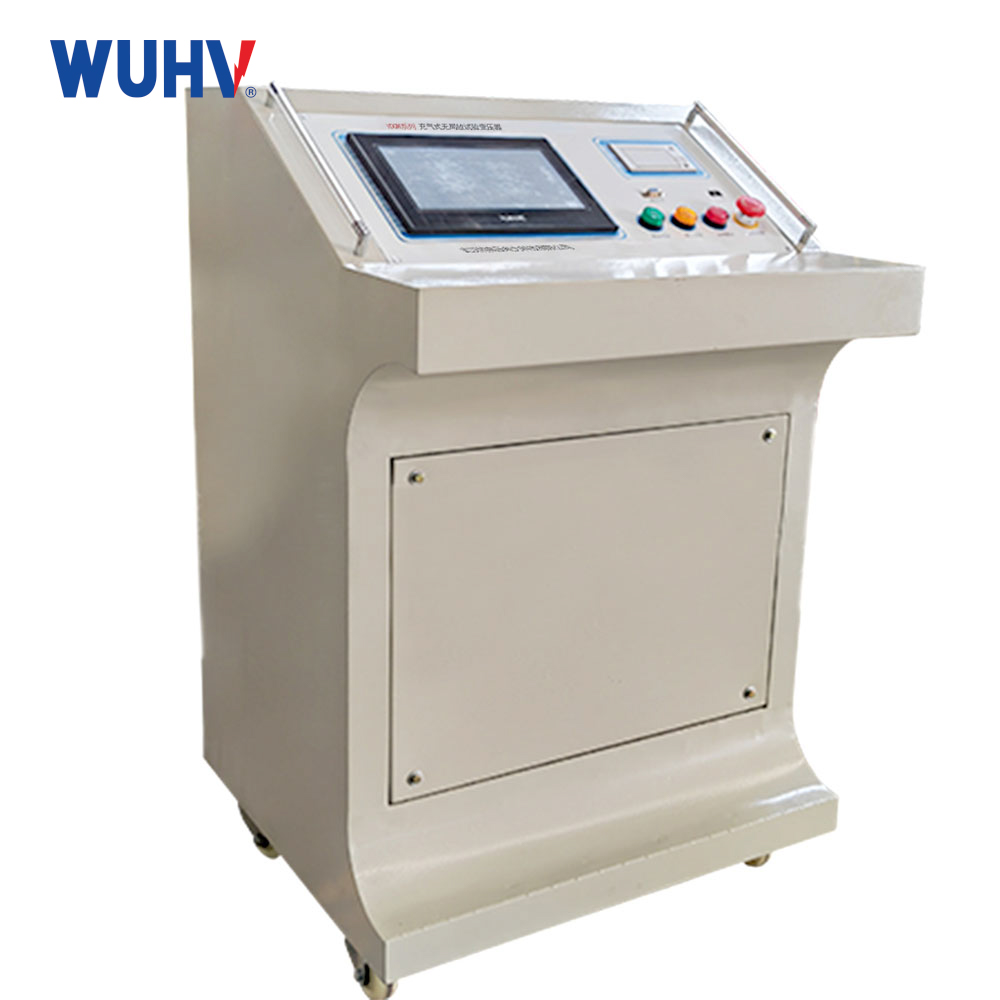


Product Introduction
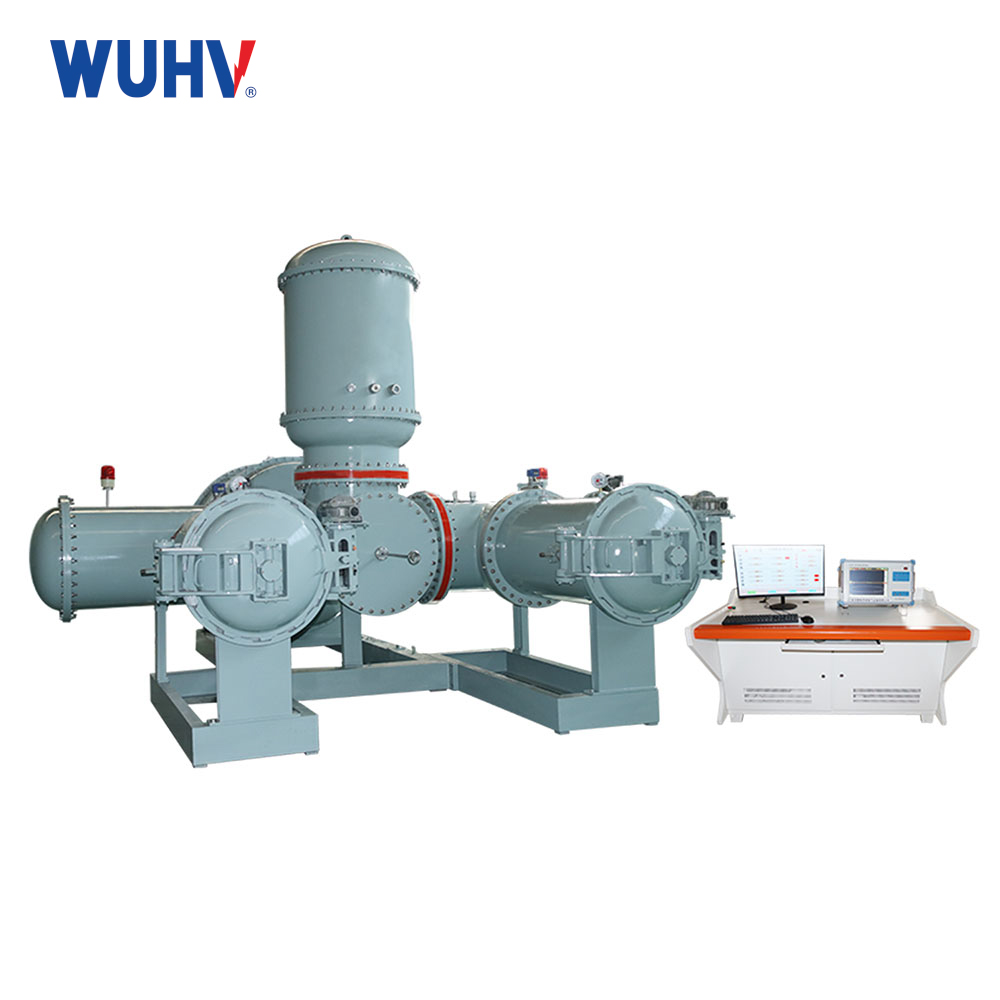
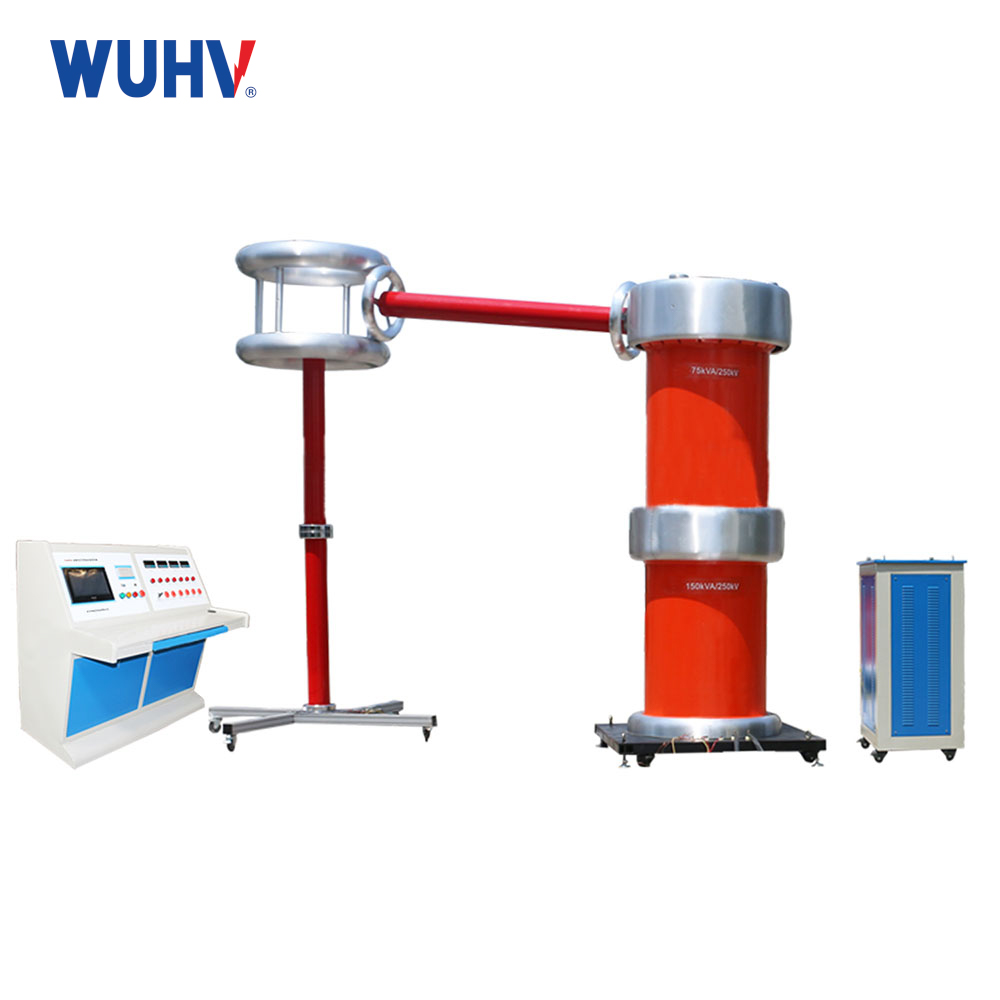
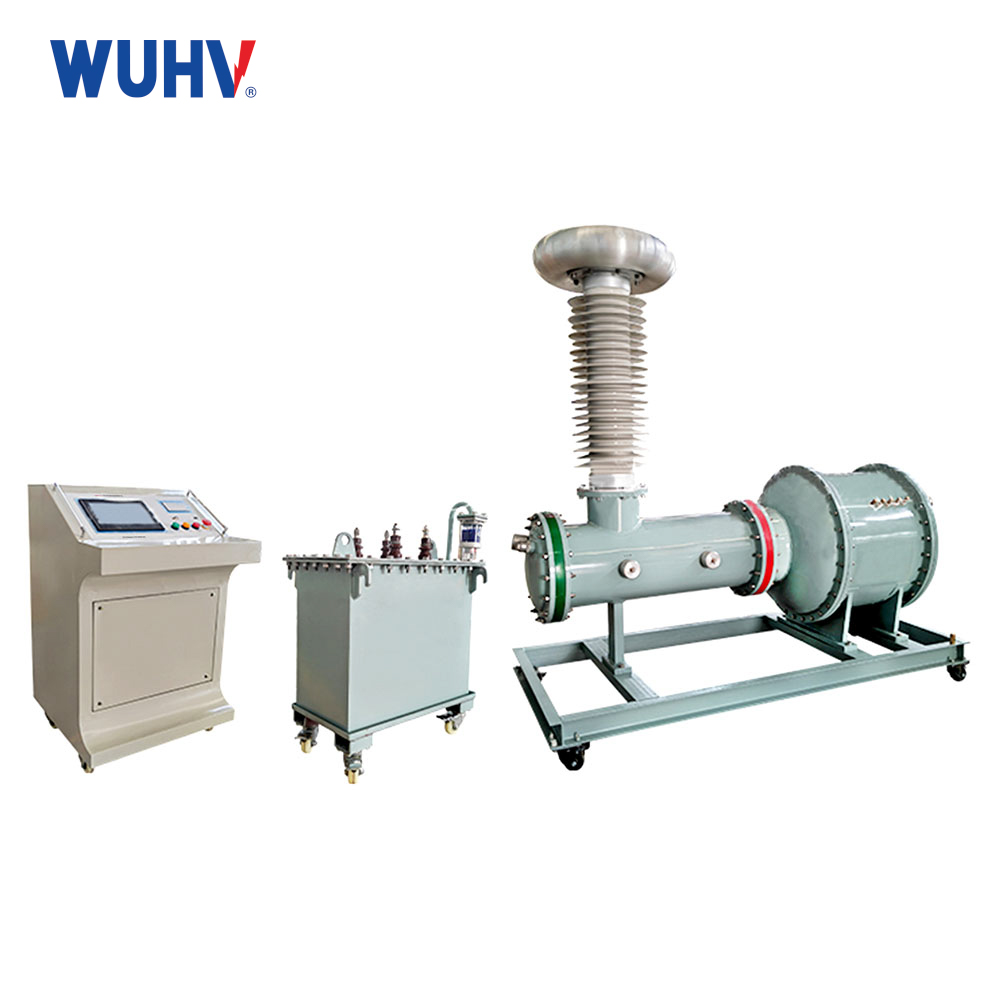
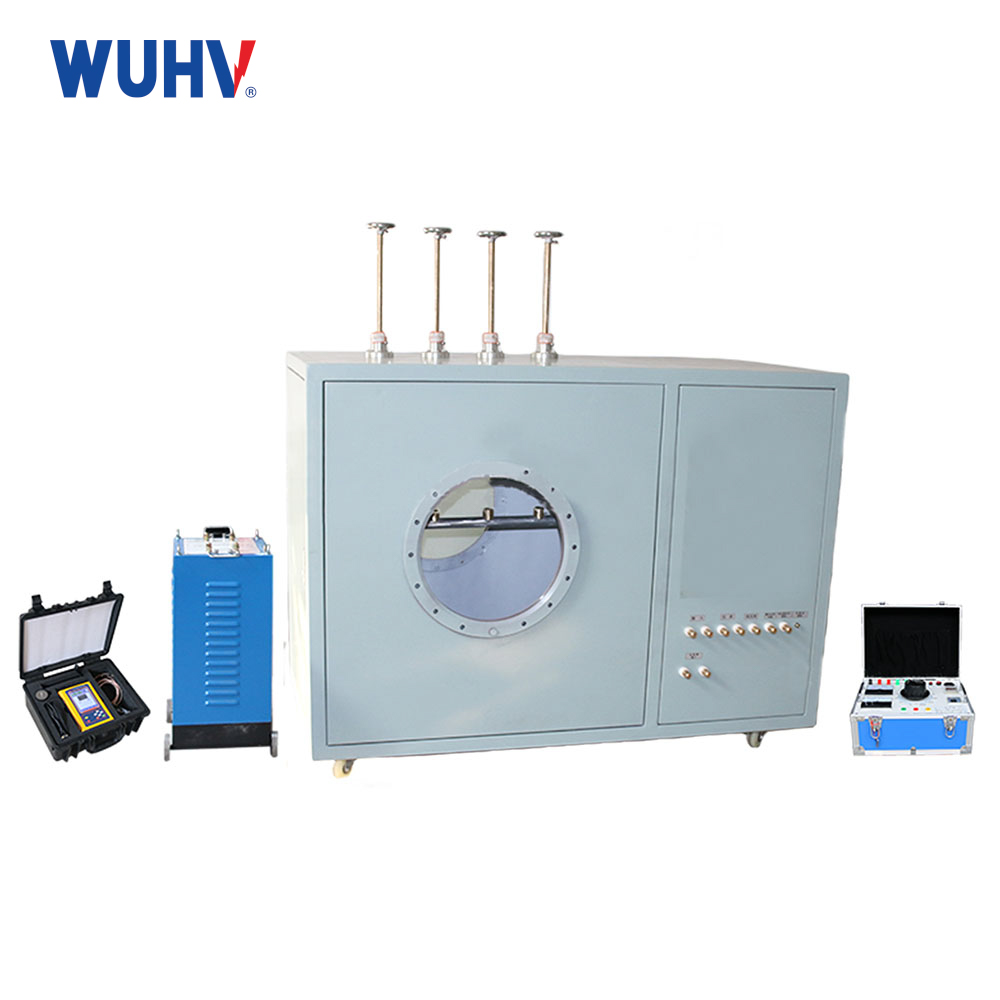
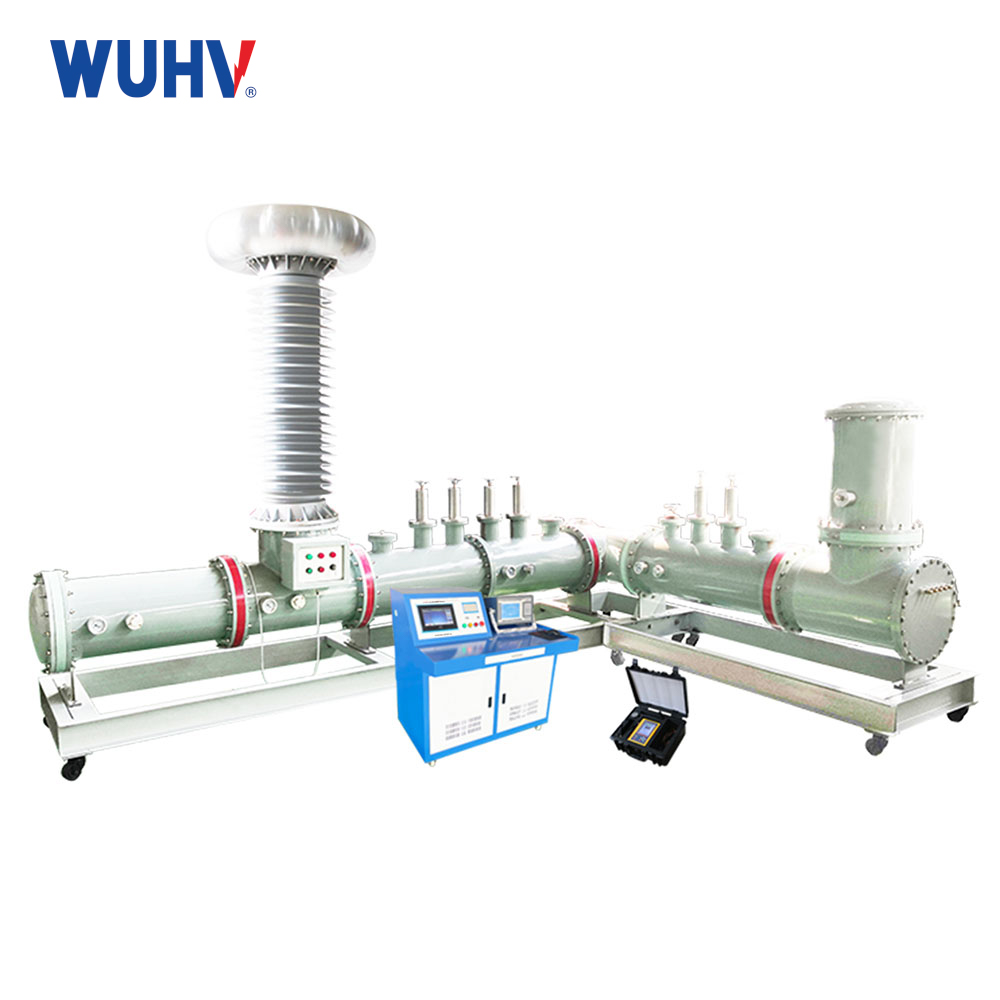
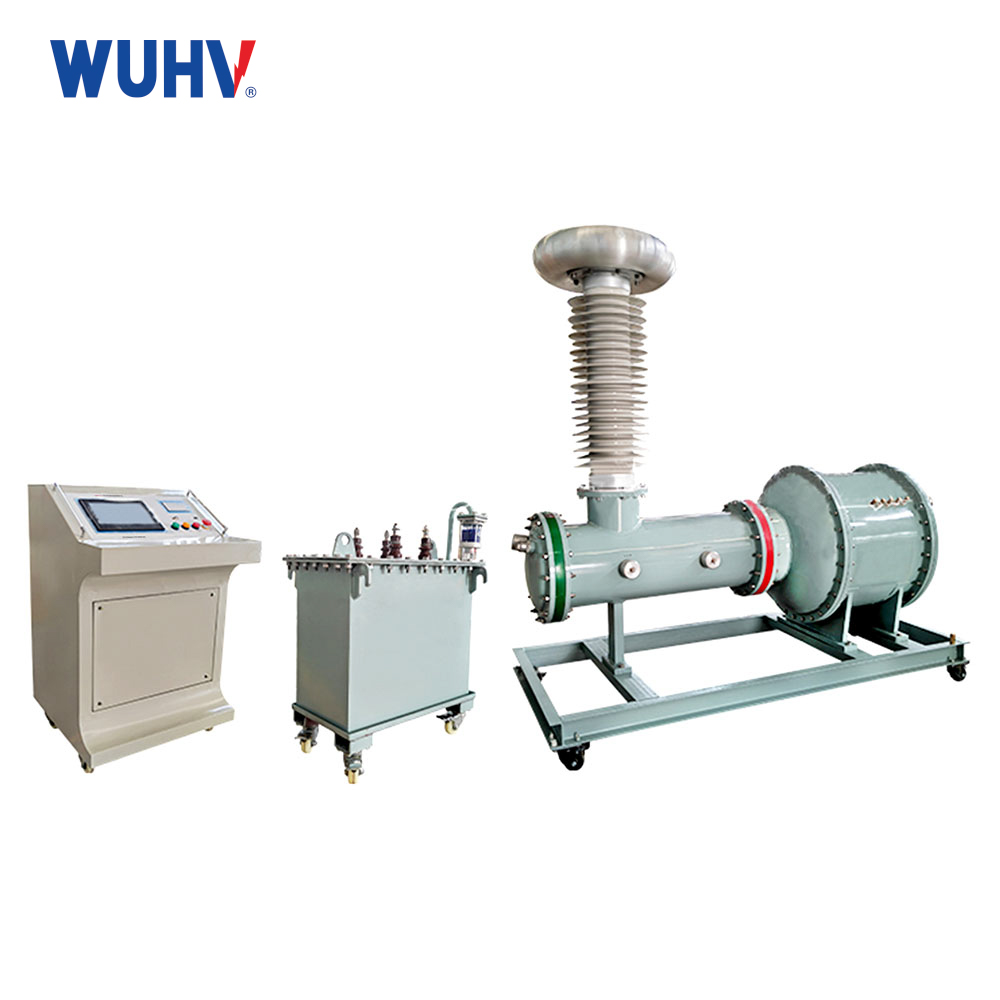
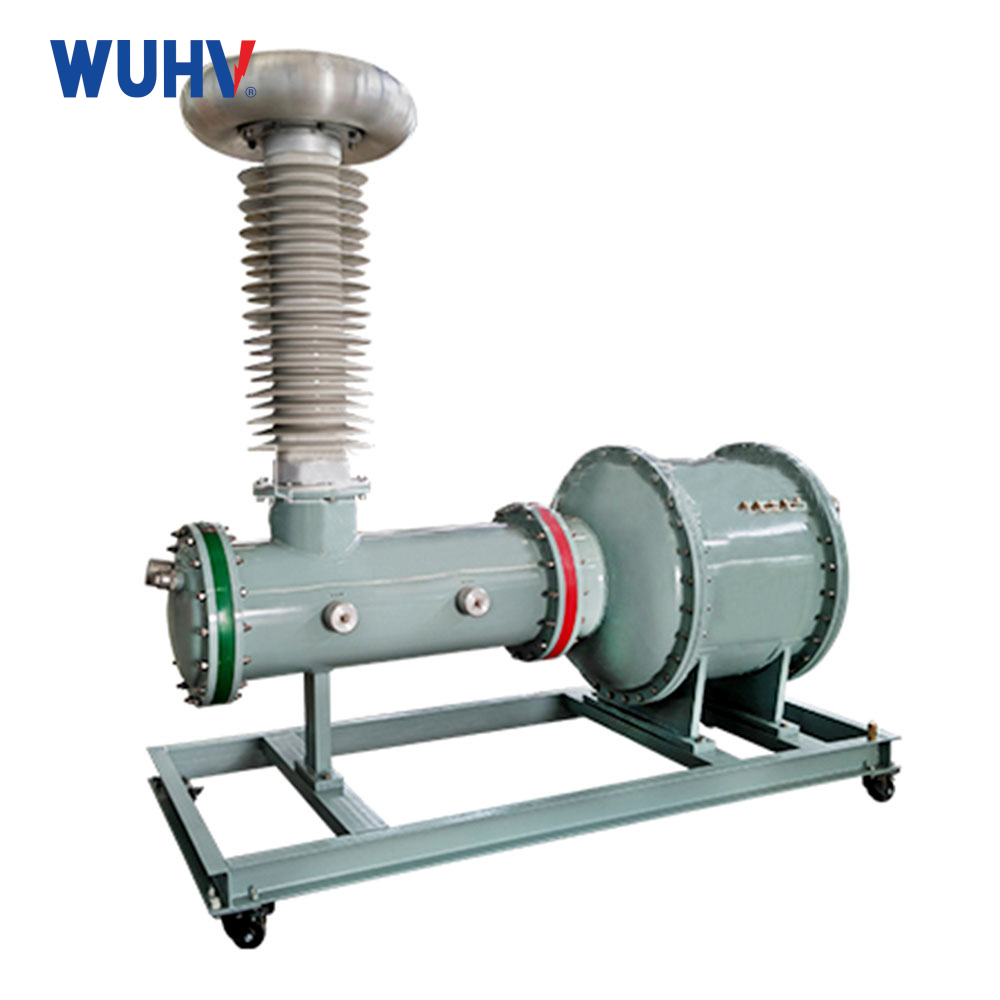
The YDQW series gas-insulated partial discharge-free test transformer is a high-performance test device specifically designed for partial discharge testing and power-frequency withstand voltage testing of high-voltage electrical equipment. The equipment uses SF₆ gas as the insulating medium, leveraging its excellent insulation properties and arc-quenching characteristics to effectively reduce the partial discharge level during testing, while also achieving compact size, light weight, and high reliability.
This series is suitable for power equipment manufacturers, high-voltage testing laboratories, research institutions, universities, and other applications. It can be used for partial discharge detection and power-frequency withstand voltage testing on cables, motors, transformers, instrument transformers, insulating materials, and other high-voltage electrical components.
技術的パラメータ
パラメーター | Value |
定格出力 | 50-1200kVA |
入力電圧 | 380V |
出力電圧 | 50-1200kV |
実行時間 | 5分以内 |
測定精度 | ≤1.5% |
Partial discharge capacity | ≤5Pc |
Protection function | Overcurrent and voltage protection alarm automatically return to zero |
製品の特徴
1. Filled with SF6 gas, which features high insulation strength, as the insulating medium.
2. Compact and lightweight design with high-quality craftsmanship, attractive appearance, and easy handling.
3. Benefiting from the arc-extinguishing properties and specialized structural design involving SF6 gas, the unit exhibits low partial discharge levels, measuring ≤5 PC at rated voltage.
4. The inflatable no partial discharge test transformer testing process is simple, intuitive, and user-friendly.
5. Effectively eliminates clutter interference from the power supply.
6. Integrates automatic control technology, offering a high degree of automation and strong anti-interference capability.
7. Equipped with a fast-acting electronic protection device, ensuring high reliability.
Product Functions
1. No Partial Discharge Output: The inflatable no partial discharge test transformer factory is designed to have a very low internal partial discharge level, with a guaranteed partial discharge capacity of ≤5pC at rated voltage. This is crucial for testing equipment where even minor PD activity must be accurately measured and attributed to the test object itself, not the power source.
2. High-Voltage AC Output: It generates a high-voltage AC output for power frequency withstand voltage tests. The series offers a wide range of ratings, with capacities from 50kVA up to 1200kVA and output voltages from 50kV up to 1200kV.
3. SF6 Gas Insulation: The inflatable no partial discharge test transformer manufactures uses SF6 gas as its primary insulating and cooling medium. This provides superior insulation strength and arc-quenching properties compared to air or oil.
4. Comprehensive Protection: It is equipped with protection functions including overcurrent and voltage protection with an alarm, as well as an automatic return-to-zero function to enhance safety.
5. Simple and Intuitive Operation: The experimental process is designed to be simple, intuitive, and easy to operate, with automatic control technology to improve efficiency and reduce operator workload.
Product Advantages
1. Extremely Low Partial Discharge: The ≤5pC partial discharge level is its most critical advantage. It ensures that the test voltage source does not introduce its own PD signals, allowing for accurate assessment of the test object's insulation condition without interference.
2. Excellent Insulation Performance: The use of SF6 gas provides superior dielectric strength, allowing for a compact, lightweight design compared to oil-filled transformers of similar ratings.
3. High Reliability and Clear Output: The SF6 insulation and advanced design result in a high craftsmanship level, beautiful appearance, and reliable operation. The inflatable no partial discharge test transformer supplier can effectively eliminate clutter interference from the power supply, ensuring a clean output.
4. Portability and Ease of Use: The SF6-filled design results in a smaller size and lighter weight, making handling and on-site use much easier than oil-filled equivalents. The design also features a fast electronic protection device for enhanced safety.
Application Scenarios
1. Power transformer testing
Used for power transformers, distribution transformers, and special transformers for:
Power-frequency withstand voltage testing
Partial discharge testing
Insulation performance testing
Factory and type testing
2. High-voltage cable testing
Applicable to power cables, XLPE cables, and other products for:
Cable insulation withstand voltage testing
Partial discharge detection
Cable factory testing
Cable R&D and quality inspection
3. High-voltage motor testing
Used for large motors, generators, and high-voltage motor windings for:
Power-frequency withstand voltage
Partial discharge detection
Winding insulation performance testing
Insulation aging assessment
4. Instrument transformer testing
Applicable to current transformers (CT) and voltage transformers (PT/VT) for high-voltage insulation testing, including partial discharge and power-frequency withstand voltage tests.
5. High-voltage switchgear testing
Can be used for high-voltage switchgear, circuit breakers, and disconnecting switches for:
AC withstand voltage testing
Insulation level verification
Partial discharge detection
6. Power capacitors and insulating materials
Applicable to capacitors, bushings, insulators, insulating paper, insulating resin, and other products for high-voltage insulation performance and partial discharge testing.
7. High-voltage testing laboratories
This is a very typical application scenario for the equipment. Suitable for use in:
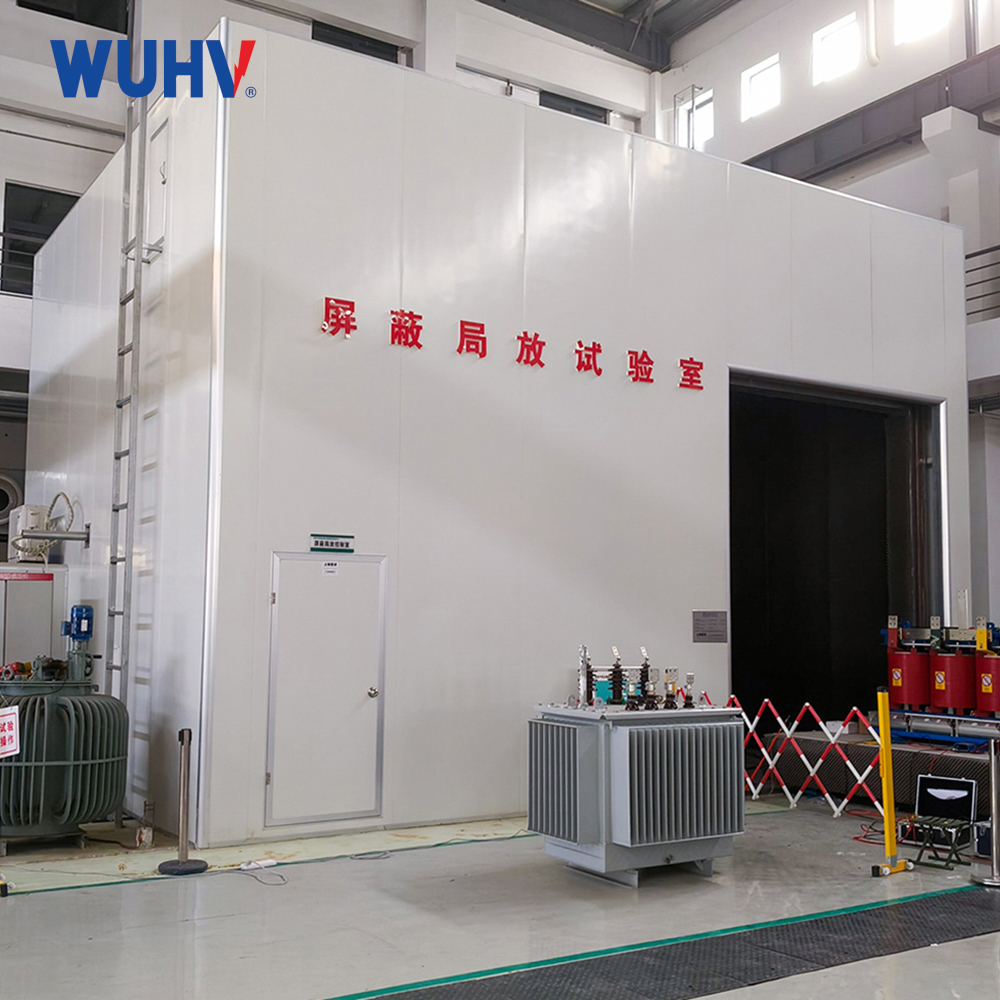
Laboratories of power equipment manufacturers
High-voltage electrical testing centers
Third-party testing organizations
Power research institutes
University electrical engineering laboratories
Used to establish low partial discharge high-voltage test systems.
8. Power equipment production lines
During the manufacturing process, can be used for routine testing and quality control of products, helping manufacturers identify potential defects such as air gaps, cracks, and impurities inside the insulation.
Working principle
The control panel (box) with overcurrent automatic tripping and zero position interlocking device to prevent sudden pressurization of the power input is regulated by an autotransformer to input voltage into a non partial discharge filter isolation filter transformer, and then output from the non partial discharge filter isolation filter transformer
To test the primary winding of the transformer, according to the principle of electromagnetic induction, the secondary (high voltage) winding can obtain an equal multiple of voltage amplitude - power frequency high voltage - based on the ratio of its turns to the primary winding.
FAQ
1. What makes the YDQW series different from a standard test transformer?
The key difference is its ultra-low partial discharge level (≤5pC) . Standard test transformers may have higher internal PD that interferes with measurements. The YDQW is specifically designed and manufactured to minimize its own PD, making it essential for sensitive partial discharge diagnosis on test objects.
2. What does the "partial discharge capacity" of ≤5pC mean?
It means that under its rated voltage, the transformer itself will generate a partial discharge level of no more than 5 picocoulombs (pC) . This is a very low threshold, ensuring that any partial discharge detected during a test is primarily coming from the equipment being tested, not the transformer.
3. Why is SF6 gas used as the insulating medium?
SF6 gas is used because of its excellent dielectric strength and arc-quenching properties. This allows the transformer to be significantly smaller and lighter than an oil-insulated unit of the same voltage and power rating, and it is non-flammable, contributing to its safety and suitability for various applications.
4. What are the main technical specifications?
The series covers a wide range, with rated capacities from 50 to 1200 kVA and output voltages from 50 to 1200 kV. It operates with an input voltage of 380V, has a measurement accuracy of ≤1.5%, and is designed for a running time of ≤5 minutes.
5. Is the transformer easy to use and maintain?
Yes, the inflatable no partial discharge test transformer manufactures is designed for ease of operation. It features an automatic control system, a simple and intuitive experimental process, and effective clutter elimination from the power supply. Its construction results in a lightweight and compact unit that is easy to handle. The SF6 insulation also means it requires less maintenance compared to oil-filled transformers.
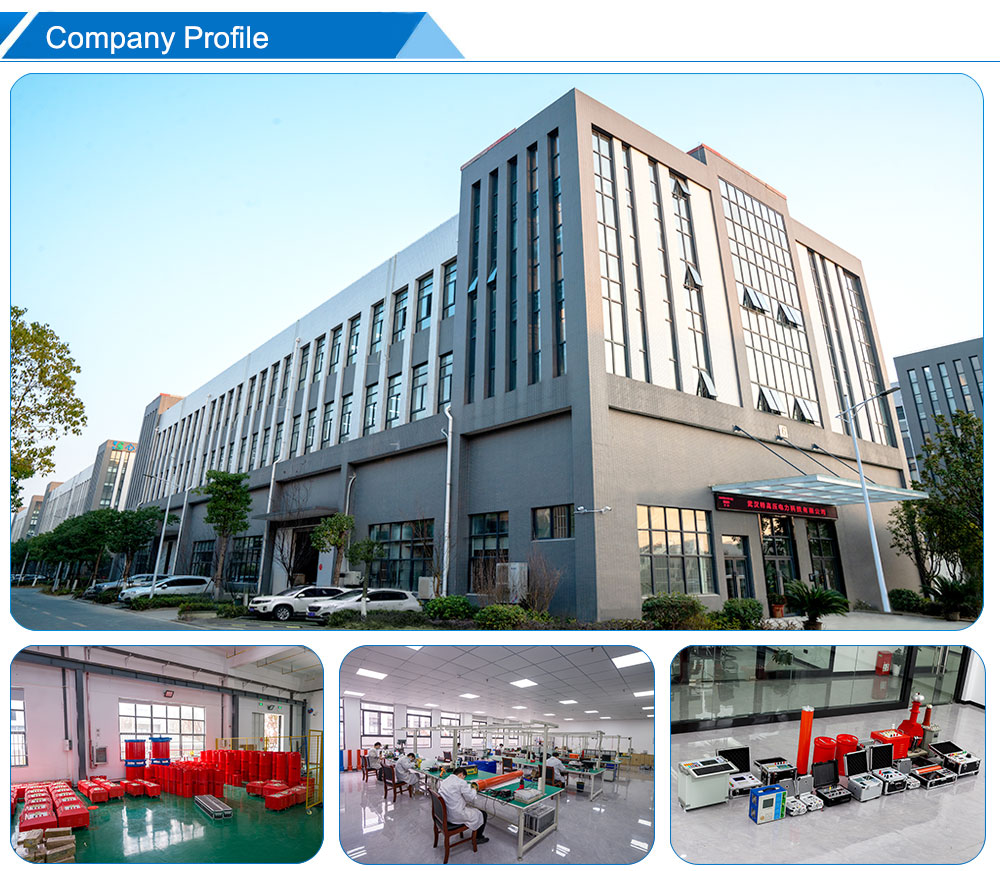
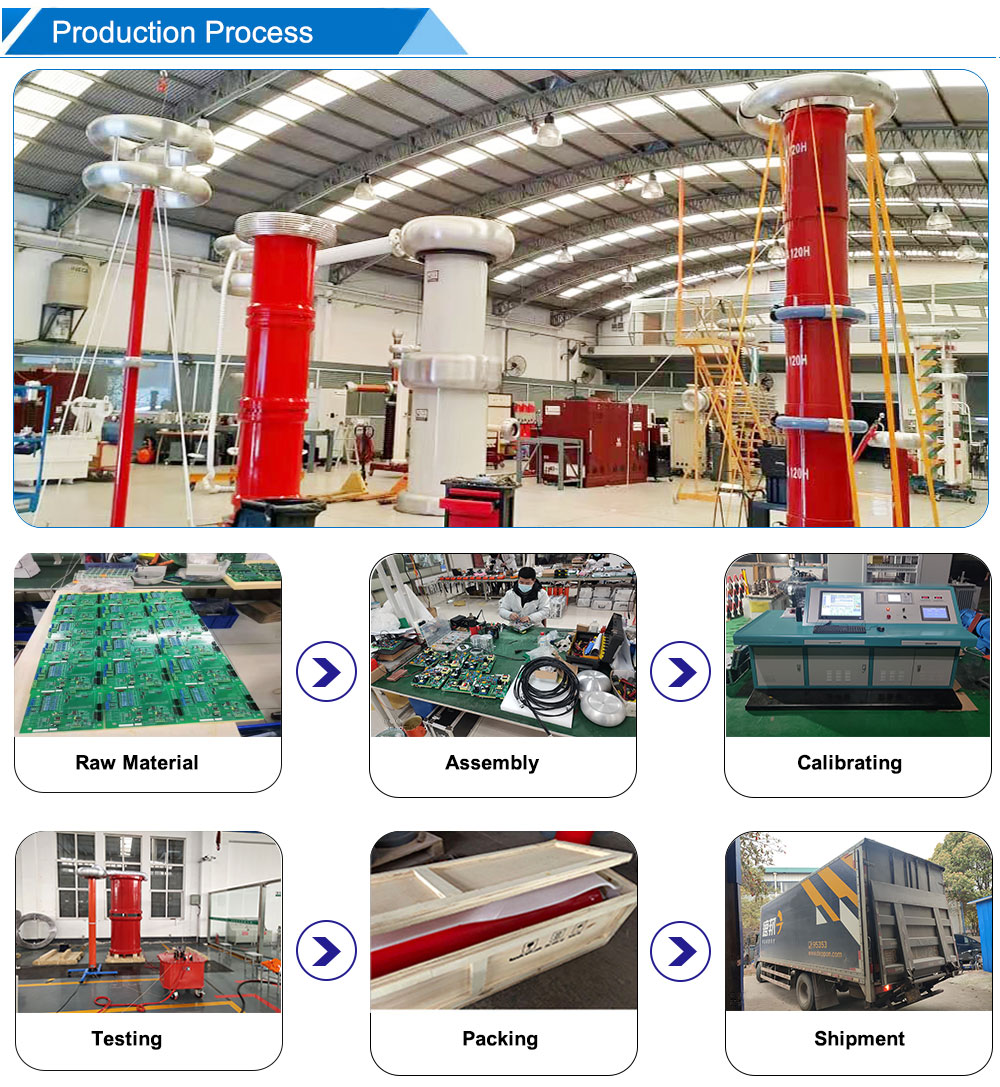
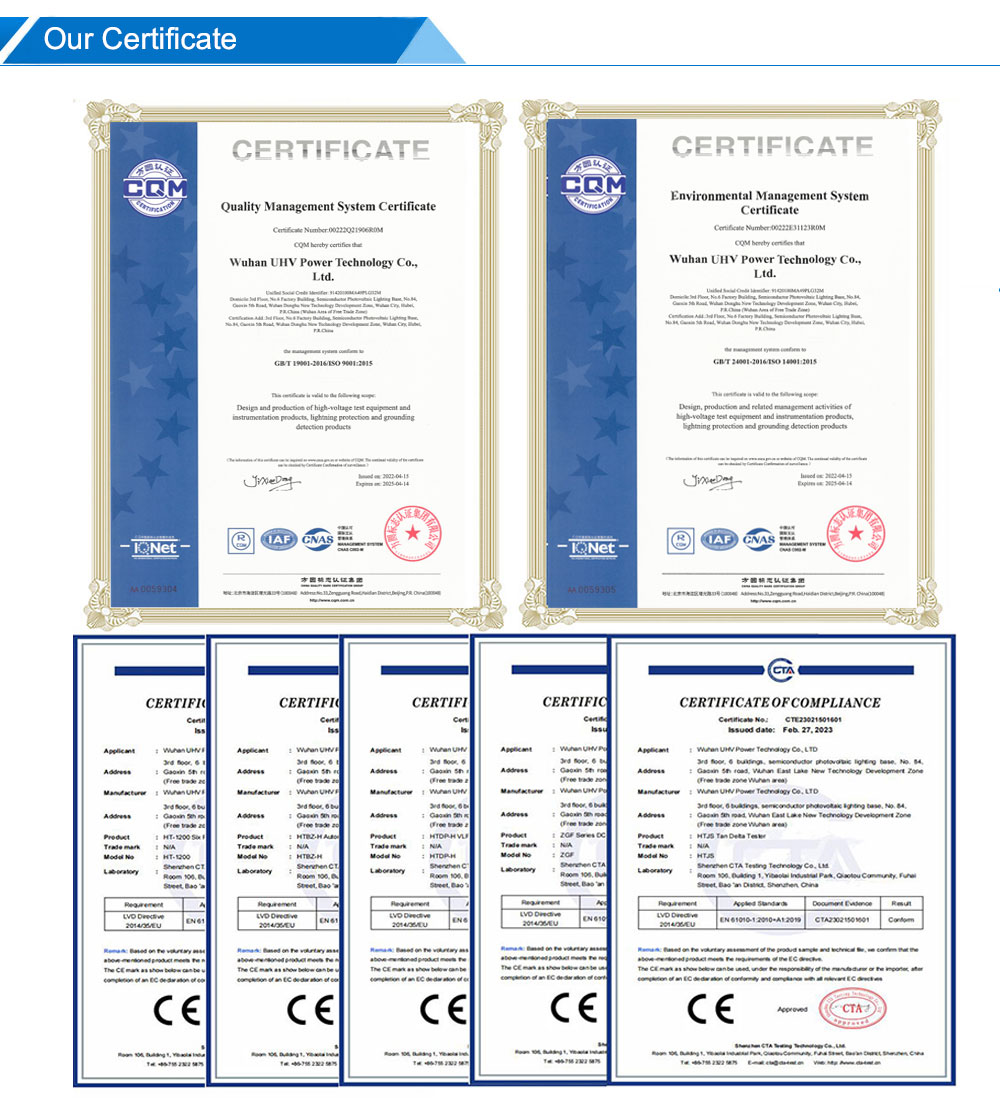
Wuhan UHV Power Technology Co., Ltd. specializes in the design and manufacture of high-voltage testing equipment, providing YDQW Series inflatable test transformers for a wide range of electrical testing applications. With different rated capacities and voltage options available, we can offer customized solutions to meet specific testing requirements. As an experienced manufacturer and supplier, we provide competitive price, reliable product quality, and professional technical support. Contact us today to discuss your requirements and get the latest quotation for the YDQW Series Inflatable No Partial Discharge Test Transformer.