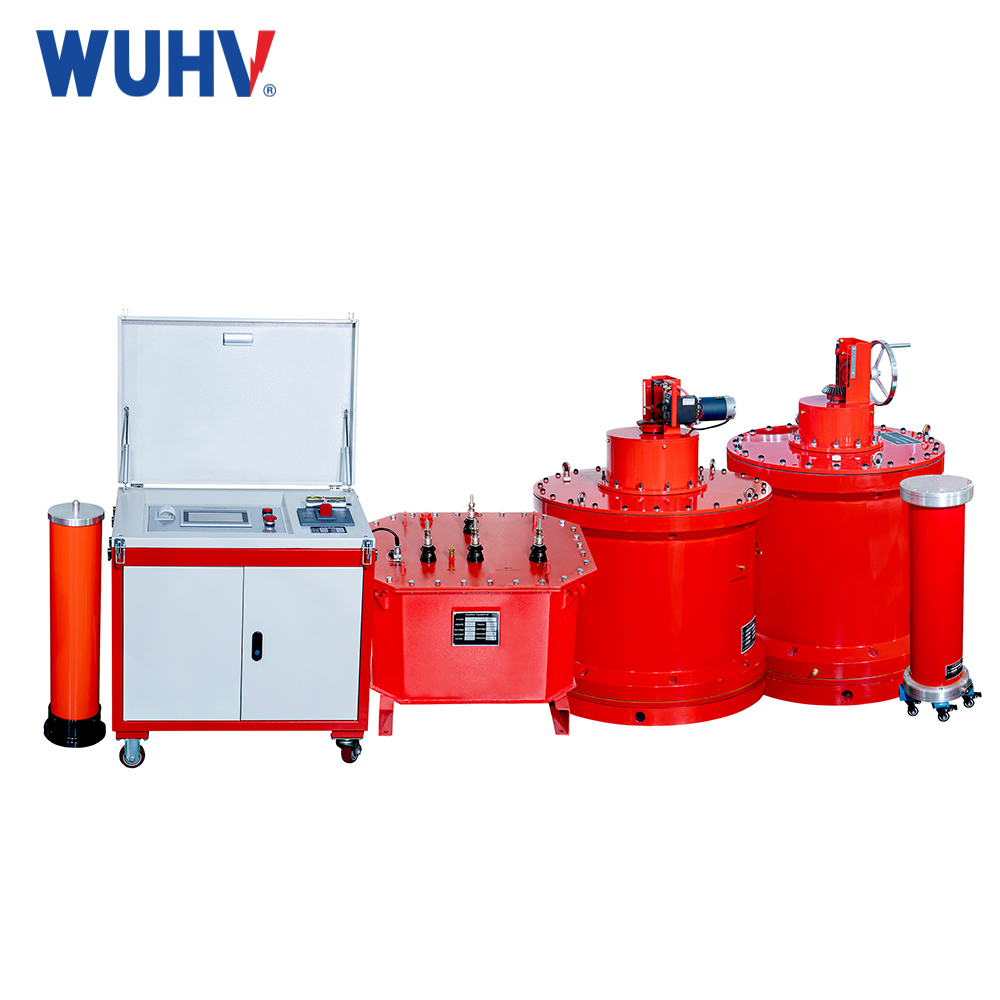
In many industrial production and scientific research fields, the trace moisture content of samples is a key indicator that determines product quality and process stability. Once the moisture exceeds the standard, it may cause material deterioration, equipment damage, and even lead to safety accidents. How can we accurately measure these trace amounts of moisture that are difficult to detect with the naked eye? Today, let's talk about the "micro moisture analyzer".
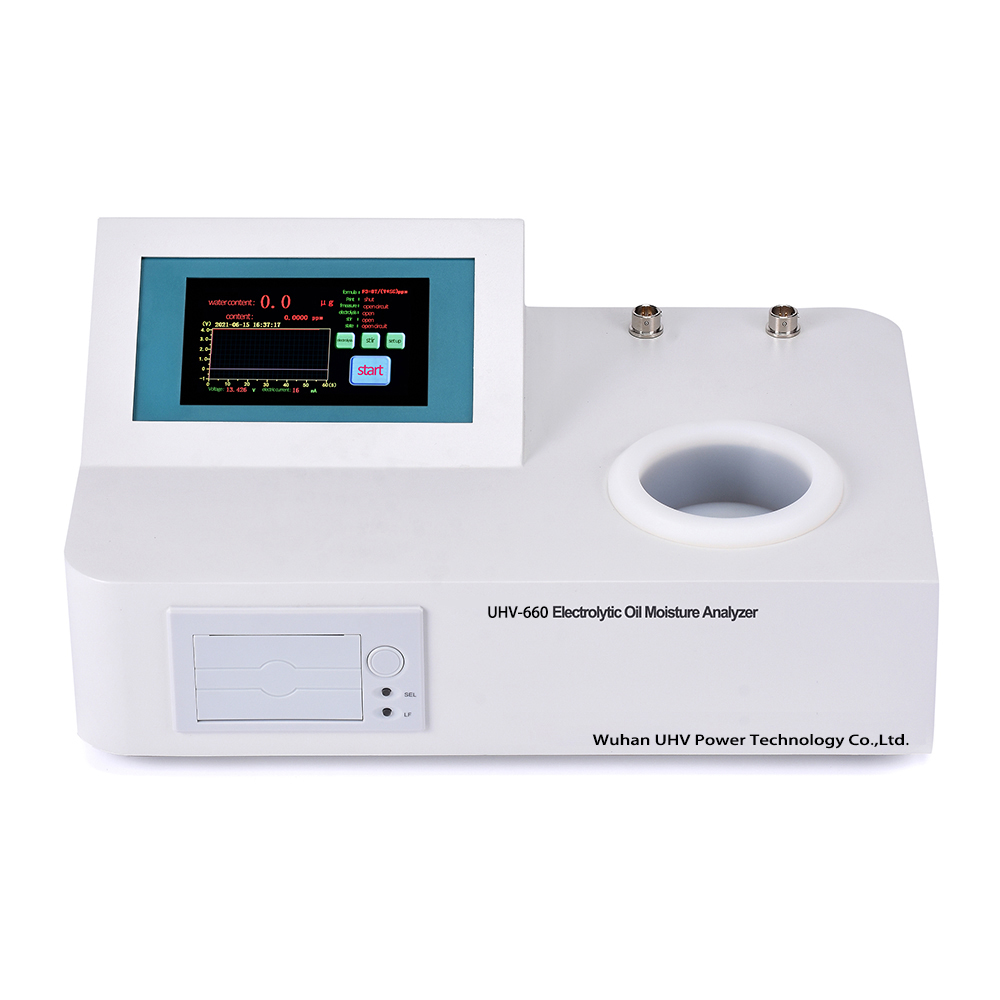
What is a trace moisture analyzer?
Simply put, a trace moisture analyzer is an instrument specifically designed to accurately measure extremely small amounts of moisture in substances. It usually uses physical and chemical principles to quickly and accurately provide moisture content values. This is an indispensable quality control tool for industries such as petroleum, chemical, power, and pharmaceuticals.
What are the factors that affect moisture determination?
Measuring trace amounts of moisture is not a simple task, and many factors can be manipulated:
The properties of the sample itself: for example, some samples are prone to moisture absorption, while others may decompose and release moisture at high temperatures.
Environmental conditions: Laboratory temperature, humidity, and even pollutants in the air can affect the accuracy of measurement results.
The performance of the instrument itself, including sensitivity, stability, and calibration, directly affects the reliability of the measurement results.
Operator proficiency: Standardized operating procedures are the cornerstone of ensuring data accuracy.
What tools can help you?
At Wuhan UHV Power Technology Co., Ltd., we deeply understand the importance of precise measurement and have launched multiple high-performance devices for measuring trace moisture. These devices integrate advanced sensing technology and data processing algorithms, which can effectively overcome the aforementioned influencing factors and provide stable and reliable measurement data.
What fields are closely related to the determination of trace moisture?
Electric insulating oil: The trace amount of moisture in insulating oil can greatly reduce its insulation performance and increase the risk of equipment failures such as transformers.
Chemical raw materials: The quality of many chemical products is extremely sensitive to moisture content, and excessive trace moisture may lead to product deterioration or uncontrolled reactions.
Pharmaceutical industry: Trace amounts of moisture in drugs can affect their stability, solubility, and shelf life.
Gas detection: For example, trace amounts of moisture in natural gas and industrial gases can affect their performance and equipment safety.
How can we do better?
To improve the accuracy of trace moisture determination, we can start from the following aspects:
Choose appropriate measurement methods and instruments: Based on the properties of the sample and the measurement requirements, select the most suitable instrument based on principles such as Karl Fischer titration or electrolysis.
Standardized operating procedures: Strictly follow the instrument manual and standard operating procedures for sample collection, pretreatment, and instrument operation.
Regular calibration and maintenance: Ensure that the instrument is in optimal working condition and perform regular calibration and maintenance.
Strengthen personnel training: Improve the professional knowledge and skill level of operators.
Wuhan UHV Power Technology Co., Ltd. has always been committed to providing customers with high-quality testing instruments and professional technical support, helping you go further and more steadily on the road of trace moisture detection.
Frequently Asked Questions (FAQ)
Q1: Why is the moisture content of my samples always inaccurate? A1: There are many possible reasons, including improper sample collection, high environmental humidity, instrument calibration or improper operation. Suggest checking your operating procedures and ensuring that the instrument is in good condition.
Q2: What is the difference between Karl Fischer titration and electrolysis? Which one is more suitable for me? A2: The Karl Fischer titration method is suitable for a wide range of moisture determination, while the electrolysis method is more sensitive for the determination of trace amounts of moisture. The choice of method depends on the range of moisture content you need to measure and the type of sample.
Q3: What safety precautions should be taken when using a trace moisture analyzer? A3: Please pay attention to the safety of chemical reagents during operation, maintain ventilation, and follow the requirements of the instrument manual to avoid contact with high-temperature components.
Q4: How often should I calibrate a trace moisture analyzer? A4: Instrument manufacturers usually recommend a calibration cycle, usually before each use or periodically (such as monthly). Please refer to the instrument manual for details.
Q5: What exactly does "trace moisture" refer to? A5: "Trace" usually refers to the moisture content in the ppm (parts per million) or ppb (parts per billion) range, with specific values defined according to different industry standards and application scenarios.