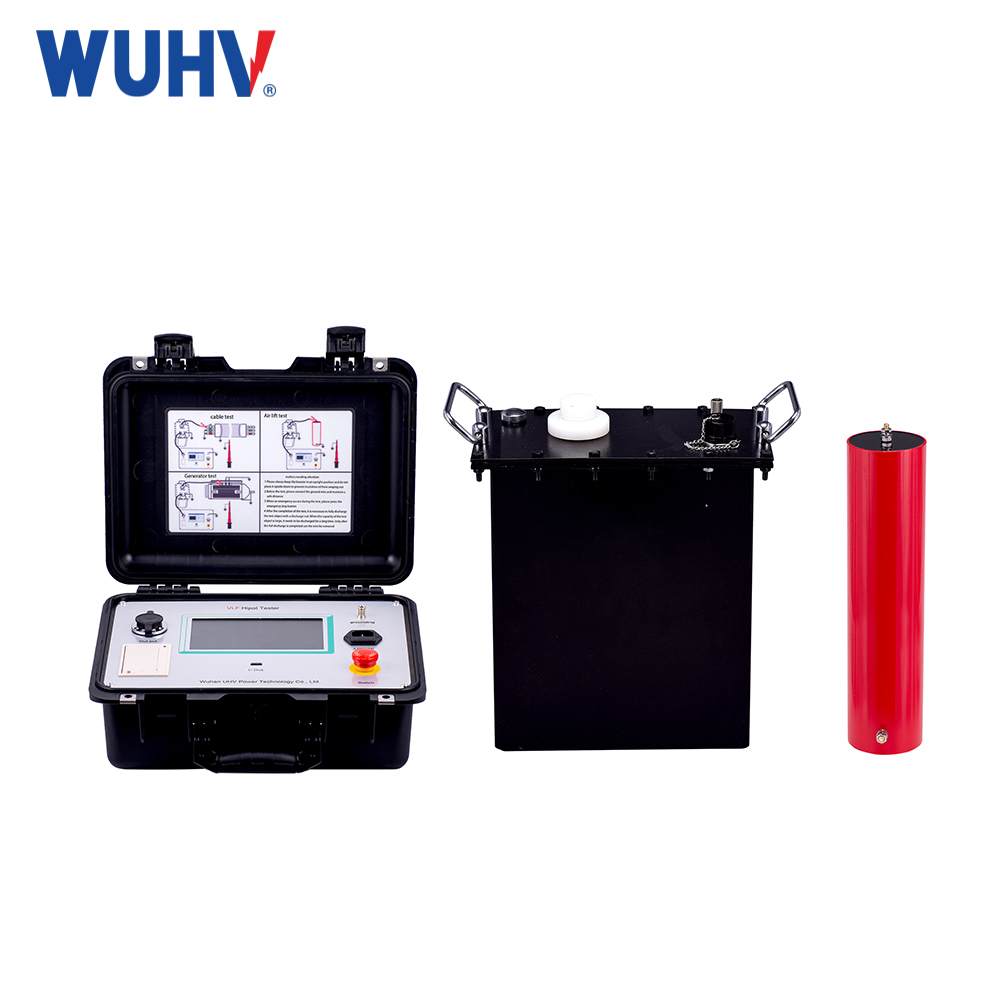
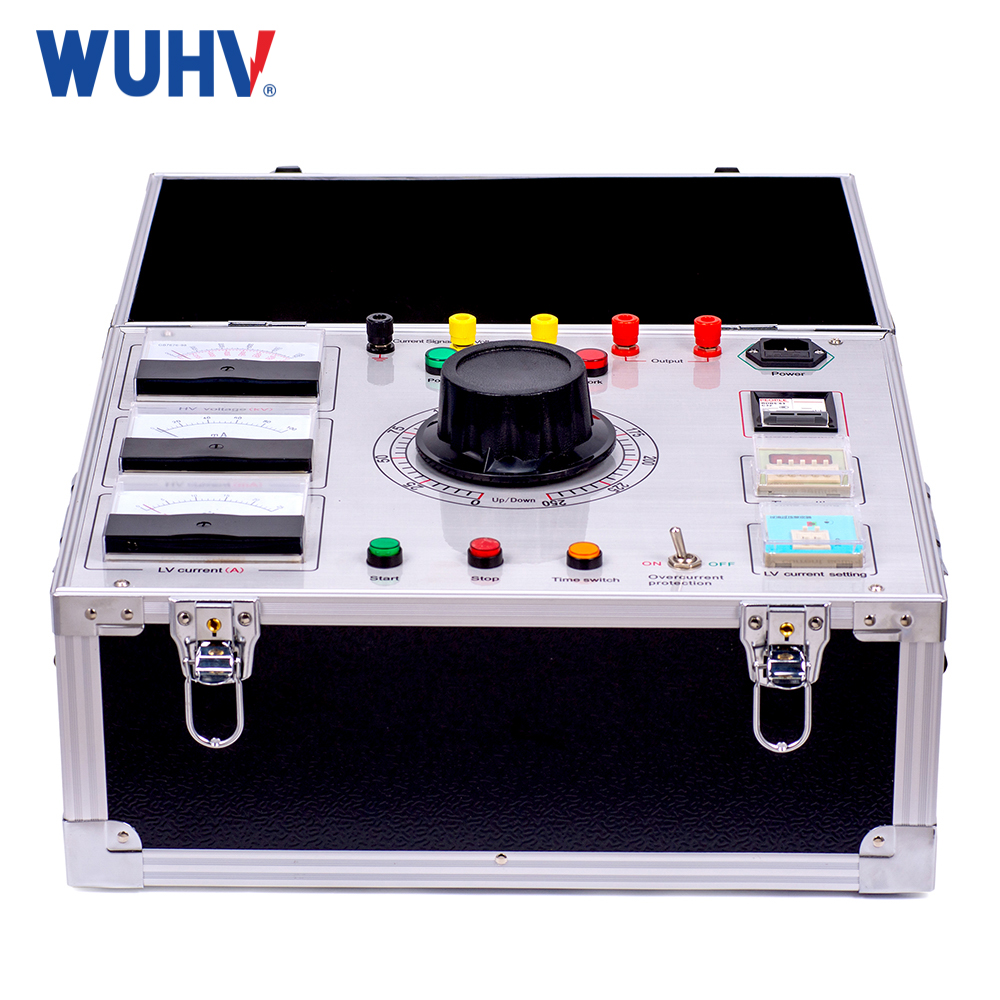
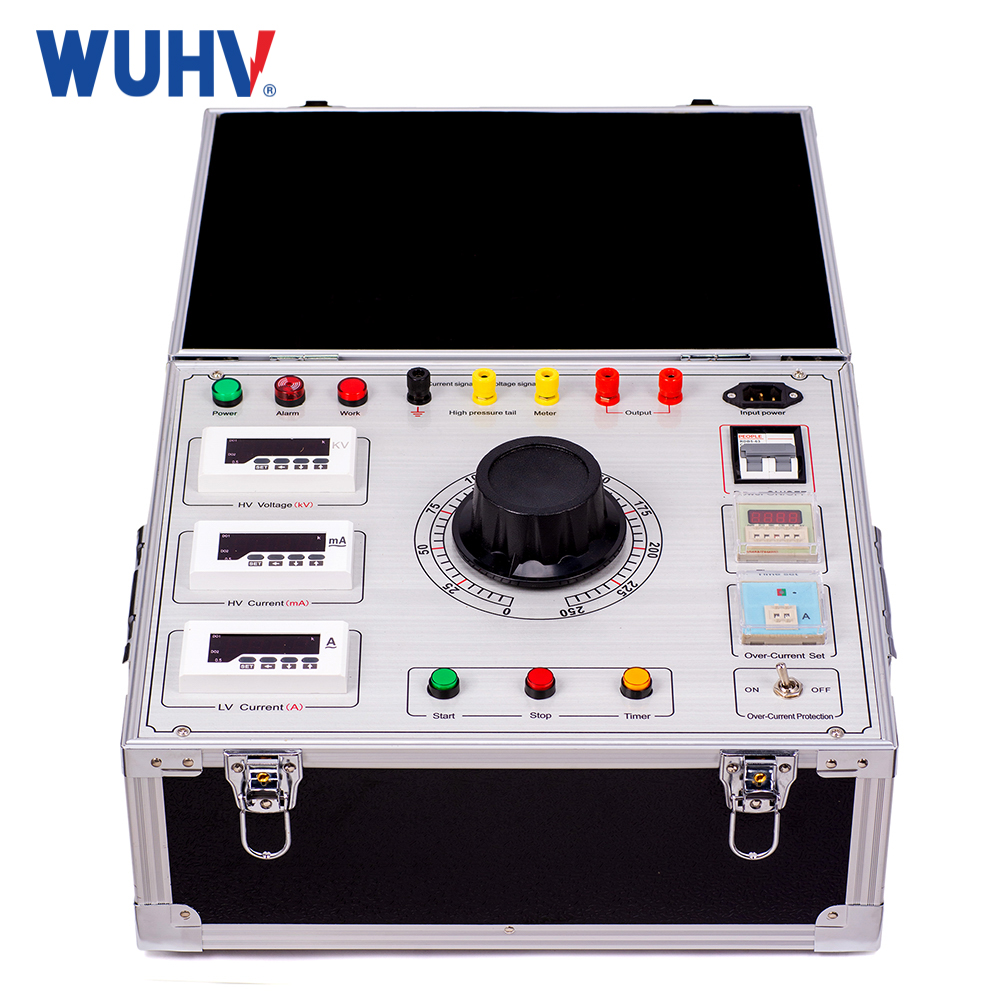
ZGF Integrated DC Hipot Tester
Product Introduction
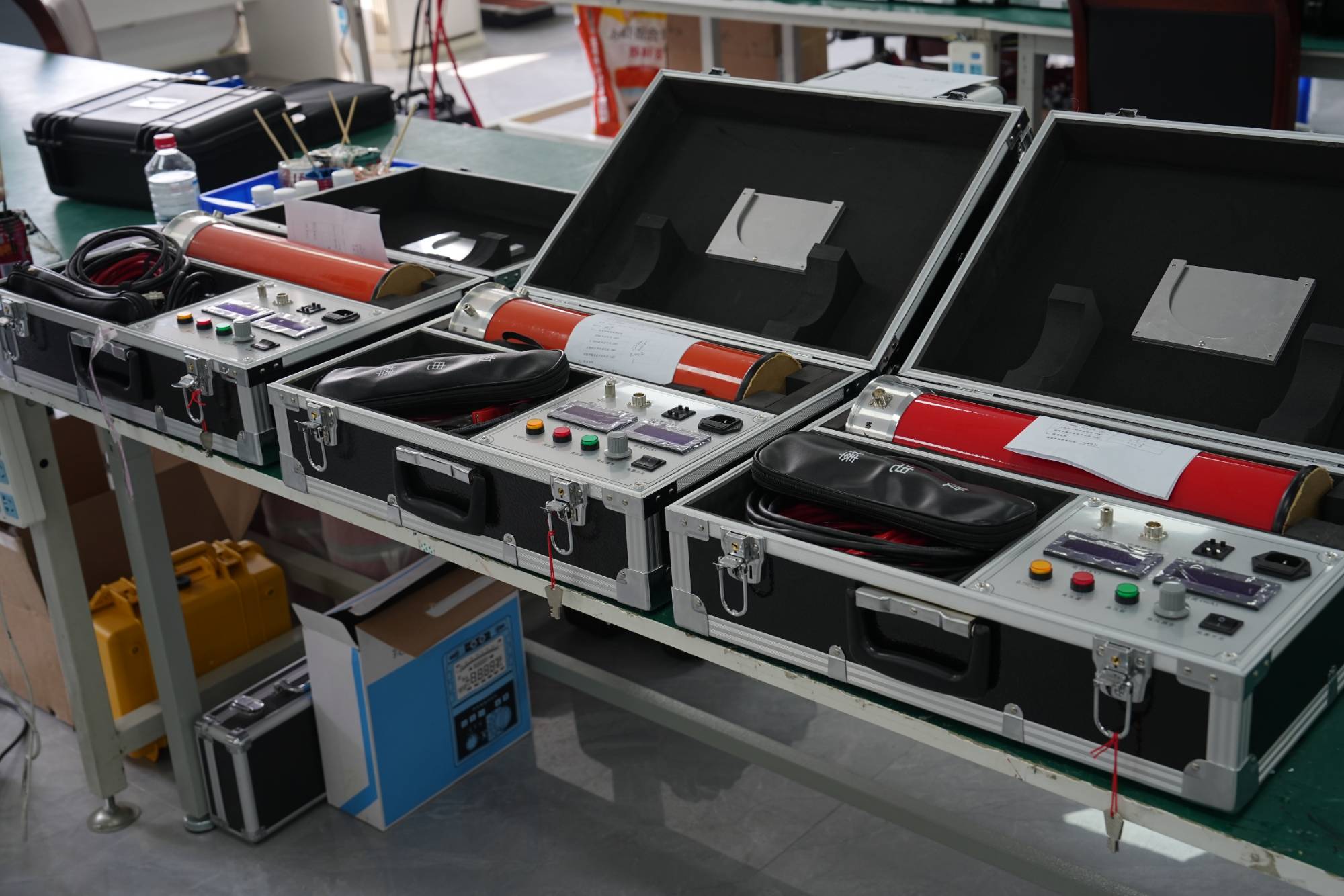
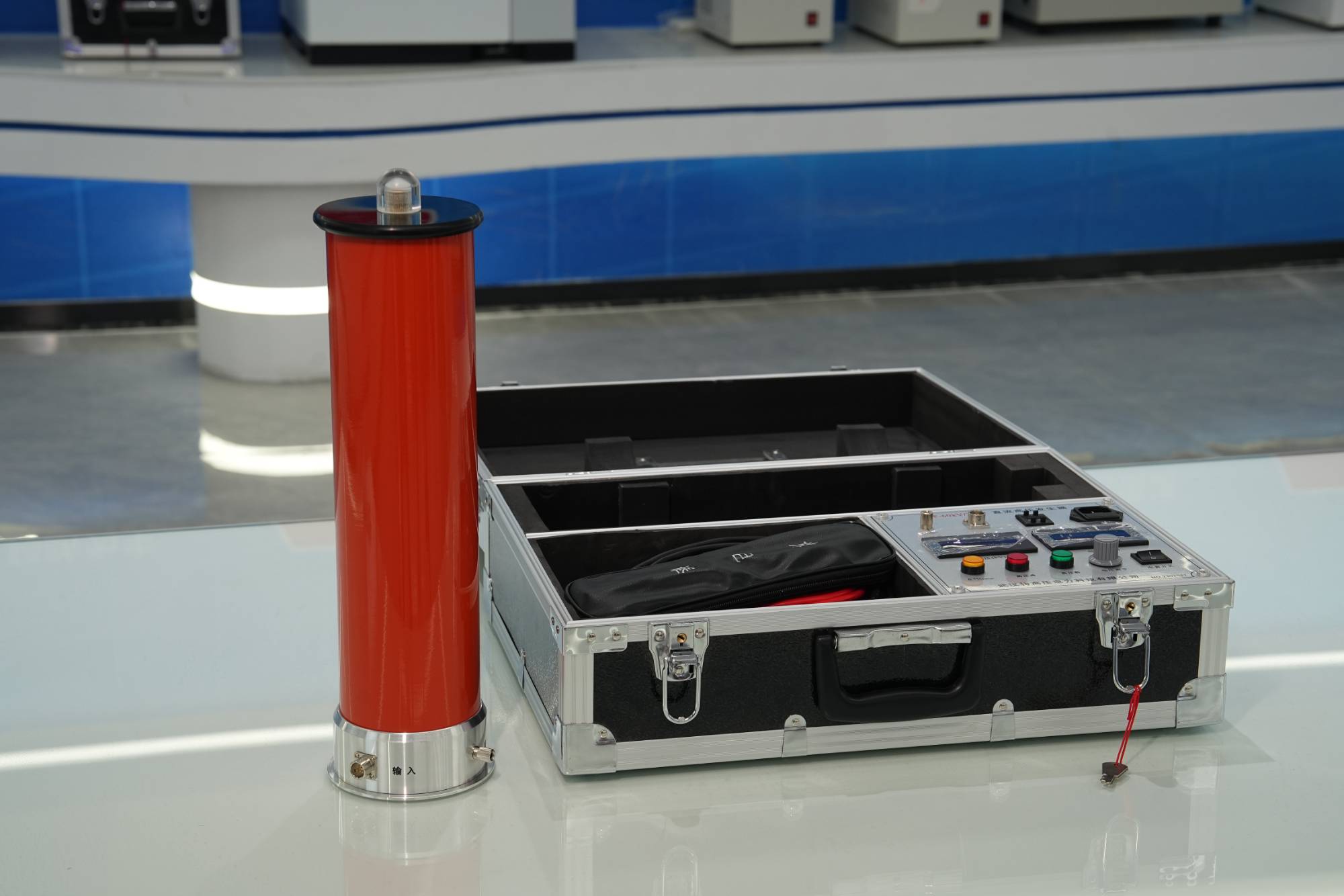
The ZGF Integrated DC Hipot Tester factory is specifically designed for detecting the electrical insulation strength and measuring leakage current in power devices. It employs a high-frequency voltage doubler circuit and integrates advanced PWM pulse width modulation technology along with a voltage-current dual closed-loop feedback system. Utilizing imported high-power IGBT devices and advanced drive technology, the dc hipot tester manufactures achieves high voltage stability and extremely low ripple. Additionally, the adoption of imported high-frequency high-voltage rectifier diodes makes the double-pressure cylinder more compact and lightweight.
Product Characteristics
1. Stable Output Voltage – The dc hipot tester supplier utilizes a high-frequency voltage doubler circuit combined with advanced PWM pulse width modulation technology and voltage-current dual closed-loop feedback. This significantly improves both power supply regulation and load regulation, resulting in high voltage stability and low ripple.
2. Comprehensive Protection – Fully equipped with protection functions including zero-start, over-voltage, over-current, and breakdown protection. The protection circuit employs nanosecond-level sensors for fast and reliable response, effectively ensuring the safety of both personnel and equipment.
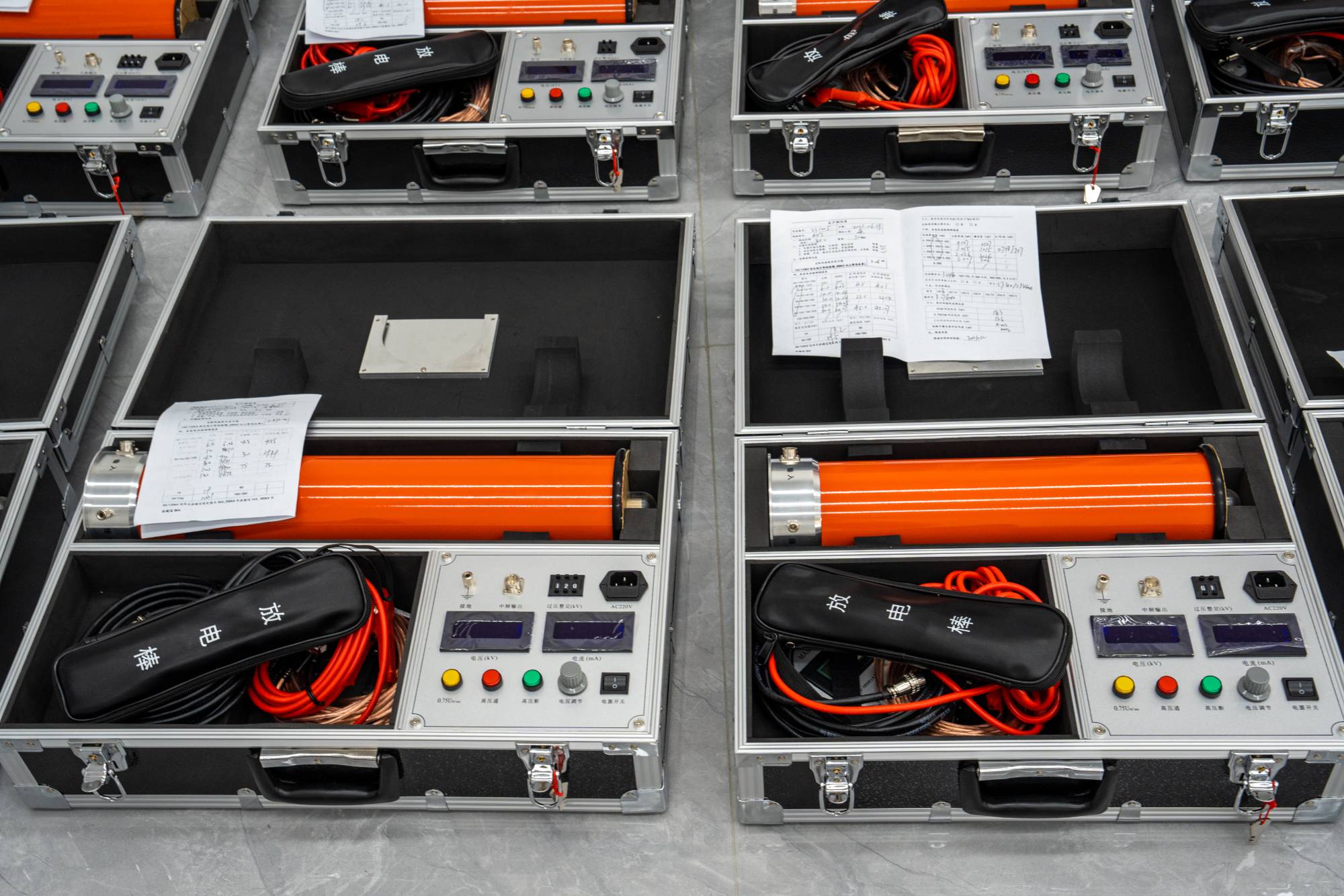
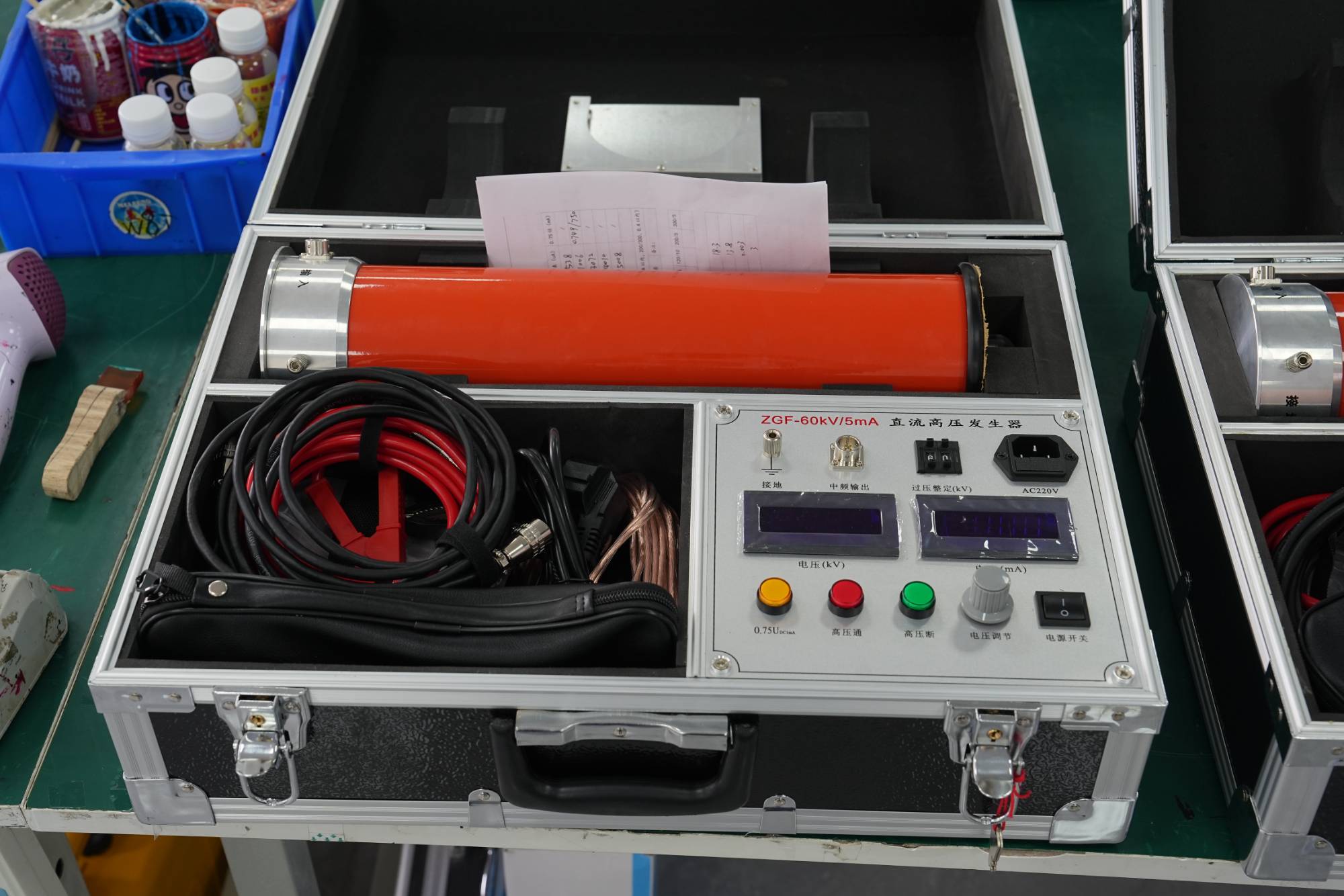
3. 0.75U Function – Features an intelligent high-precision 0.75U one-button function. When pressed, the voltage and current automatically adjust to the 0.75U state, facilitating convenient testing of zinc oxide arresters.
4. Zero-Start Boost – The boost potentiometer starts from zero and uses an imported multi-turn potentiometer, ensuring a smooth boosting process with high adjustment precision.
5. Over-Voltage Setting – Over-voltage settings are configured using a digital dial switch, offering easy operation and high setting accuracy.
6. Integrated Design – Adopts a one-piece design with the host and voltage doubler housed in a single chassis. The use of imported high-frequency high-voltage rectifier diodes results in a compact voltage doubler, improved overall efficiency, and enhanced portability.
7. Reliable Performance – Key components utilize high-performance imported parts. The pressure roller is coated with specialized insulating materials, providing excellent electrical performance, strong moisture resistance, and no leakage.
8. Simple Operation – The dc high voltage generator interface features clearly labeled function buttons with a reasonable layout, making it easy to learn and operate.
 |  |
技術的パラメータ
| 仕様 | 60/2 | 60/3 | 60/5 | 120/2 | 120/3 | 120/5 |
| Rated voltage(kV) | 60 | 60 | 60 | 120 | 120 | 120 |
| Rated current(mA) | 2 | 3 | 5 | 2 | 3 | 5 |
| rated power(W) | 120 | 180 | 300 | 240 | 360 | 600 |
| Machine quality(kg) | 9 | 10 | ||||
| Machine volume(mm3) | 465*390*190 | 565*390*190 | ||||
| Double cylinder height(mm) | 440 | 535 | ||||
| 出力電圧精度 | ±(1.0%読み取り値±2ワード) | |||||
| 出力電流精度 | ±(1.0%読み取り値±2ワード) | |||||
| リップル係数 | ≤0.5% | |||||
| 作業の方法 | 断続使用、定格負荷30分 | |||||
| 過負荷機能 | 無負荷電圧は 10 分間定格電圧の 10% を超える可能性があります | |||||
| 最大充電電流は定格電流の1.25倍です | ||||||
| power supply:AC220V±10% 50Hz | ||||||
| 作業環境 | temperature:-10-40℃ | |||||
| 相対湿度: 室温 25 °C で 85% 以下 (結露なきこと) | ||||||
| 標高:1500メートル以下 | ||||||
Core Comparison: DC Hipot vs. AC Withstand Voltage Equipment
Aspect | DC High-Voltage Generator | AC Withstand Voltage Equipment (Power-Frequency / Series Resonant) |
Nature of test voltage | Constant, non-pulsating DC electric field | Alternating electric field with varying amplitude (50 Hz or equivalent) |
Equipment weight | Extremely light (high-frequency inverter technology; main unit weighs only a few kilograms) | Extremely heavy (power-frequency transformers are bulky; series-resonant units are lighter but still weigh over 100 kg) |
Capacity & power supply | Small capacity; only needs ordinary 220 V supply | Large capacity (high apparent power); often requires a highcapacity supply or generator on site |
Damaging effect (residual effect) | Has a “cumulative effect” – space charge accumulates inside the insulation under DC, accelerating ageing after repeated tests (especially for XLPE cables) | No polarity accumulation, but poses thermal damage risk to organic insulation; breakdown points are severely carbonised |
Leakage current reading | Microampere level (μA) – accurately reflects moisture ingress and degradation trends | Milliampere level (mA) – cannot be interpreted alone; must be combined with dielectric loss factor (tan δ) |
 |  |
Main application scenarios
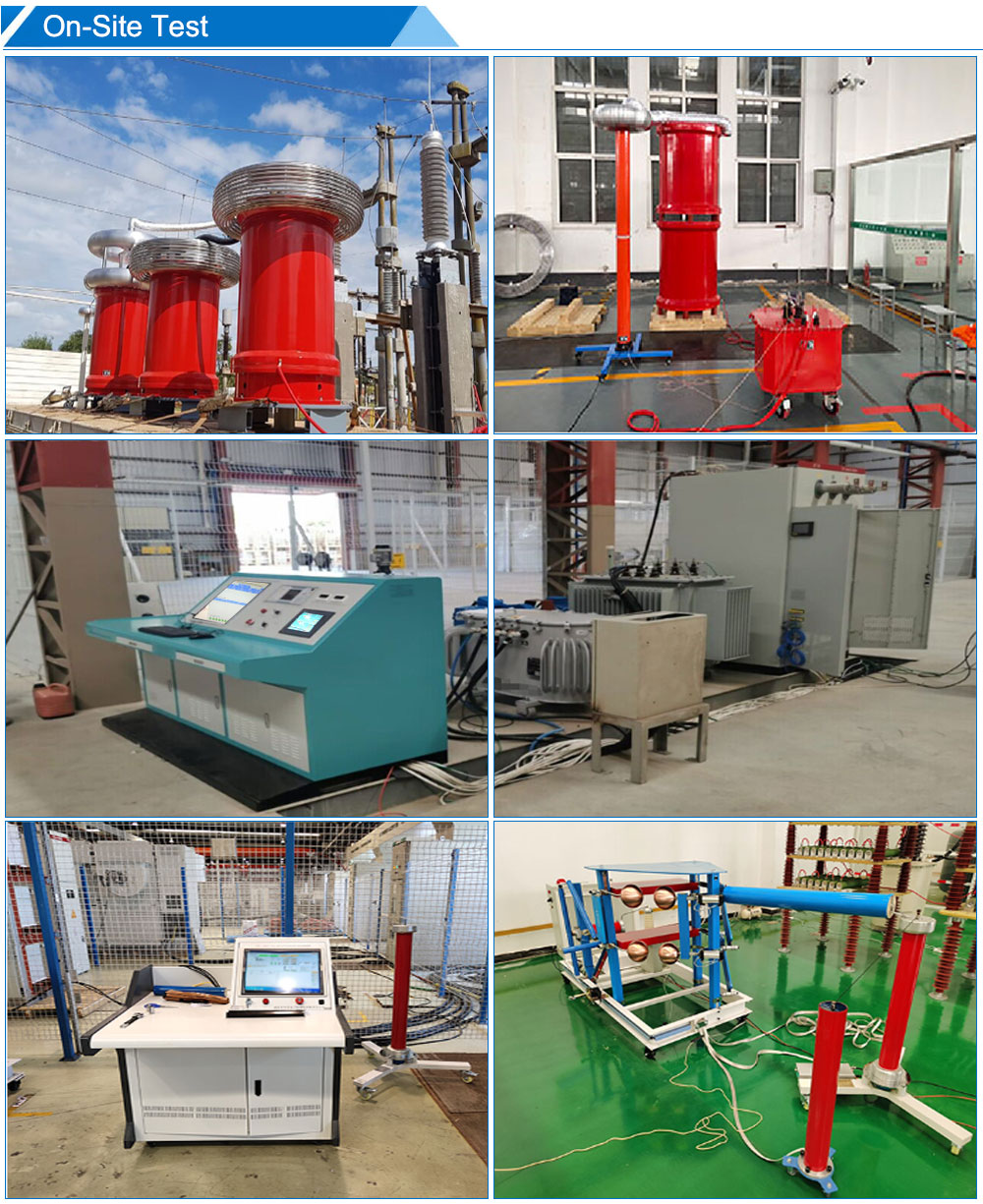
DC high voltage generator is the core equipment for preventive testing in power systems, mainly used to test insulation strength, rather than providing energy:
Power cable test: Conduct DC withstand voltage test and leakage current measurement on cross-linked polyethylene (XLPE) power cables (note: currently, ultra-high voltage cables are mostly subjected to AC withstand voltage using variable frequency series resonance, but DC generators are still widely used in the detection of medium and low voltage cables).
Insulator/bushing test: detect the leakage current on the surface of high-voltage line insulators, bushings, etc., and determine the degree of moisture or pollution.
Zinc oxide lightning arrester test: Apply a DC reference voltage (such as U1mA) to the lightning arrester to detect the aging of its nonlinear resistor.
Research and production: used for factory withstand voltage testing of high-voltage capacitors, high-voltage motors, transformers and other equipment.
Frequently Asked Questions
Q1: What are the most common safety hazards that occur during the testing process of a DC high-voltage generator?
A1: Mainly includes high-voltage electric shock, insulation breakdown, fire, and equipment failure. Be sure to strictly follow the safety operating procedures.
Q2: What is the impact of the output voltage ripple coefficient of the DC high-voltage generator on the test?
A2: The higher the ripple coefficient, the greater the fluctuation of the output voltage, which may lead to inaccurate test results, especially in precision tests that require extremely high voltage stability.
Q3: How to choose a DC high-voltage generator suitable for cable withstand voltage testing?
A3: It is necessary to calculate the required test voltage and capacity based on parameters such as cable length, cross-sectional area, and insulation level, and consider a certain margin.
Q4: Can a DC high-voltage generator be used for AC withstand voltage testing?
A4: Normally, DC high-voltage generators can only be used for DC withstand voltage tests. If an AC voltage withstand test is required, an AC high-voltage generator should be used.