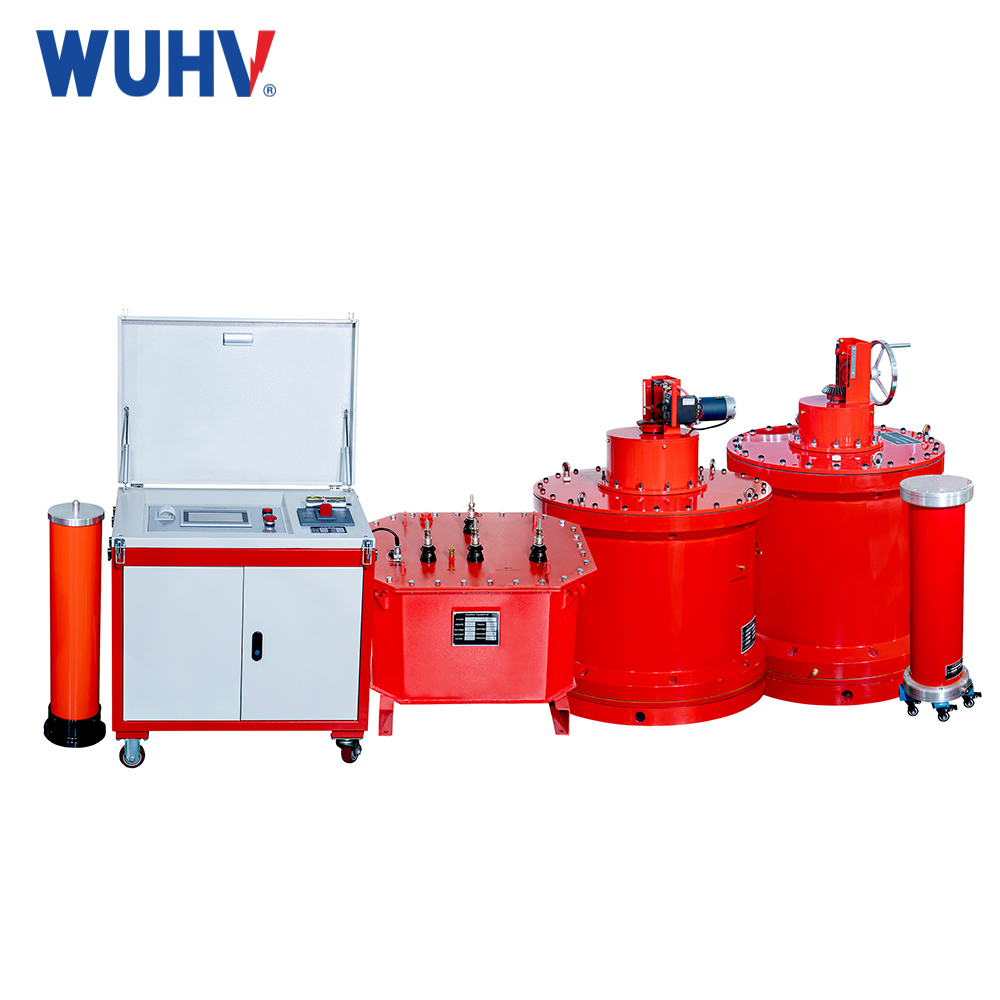
In the field of power equipment manufacturing and maintenance, the "transformer test bench" is an indispensable link. It is like a "medical examination center" for transformers, ensuring that the equipment can work normally before leaving the factory or after being put into use, reducing safety hazards. But have you ever thought about what determines the reliability of a transformer testing bench? Today, let's talk about this topic.
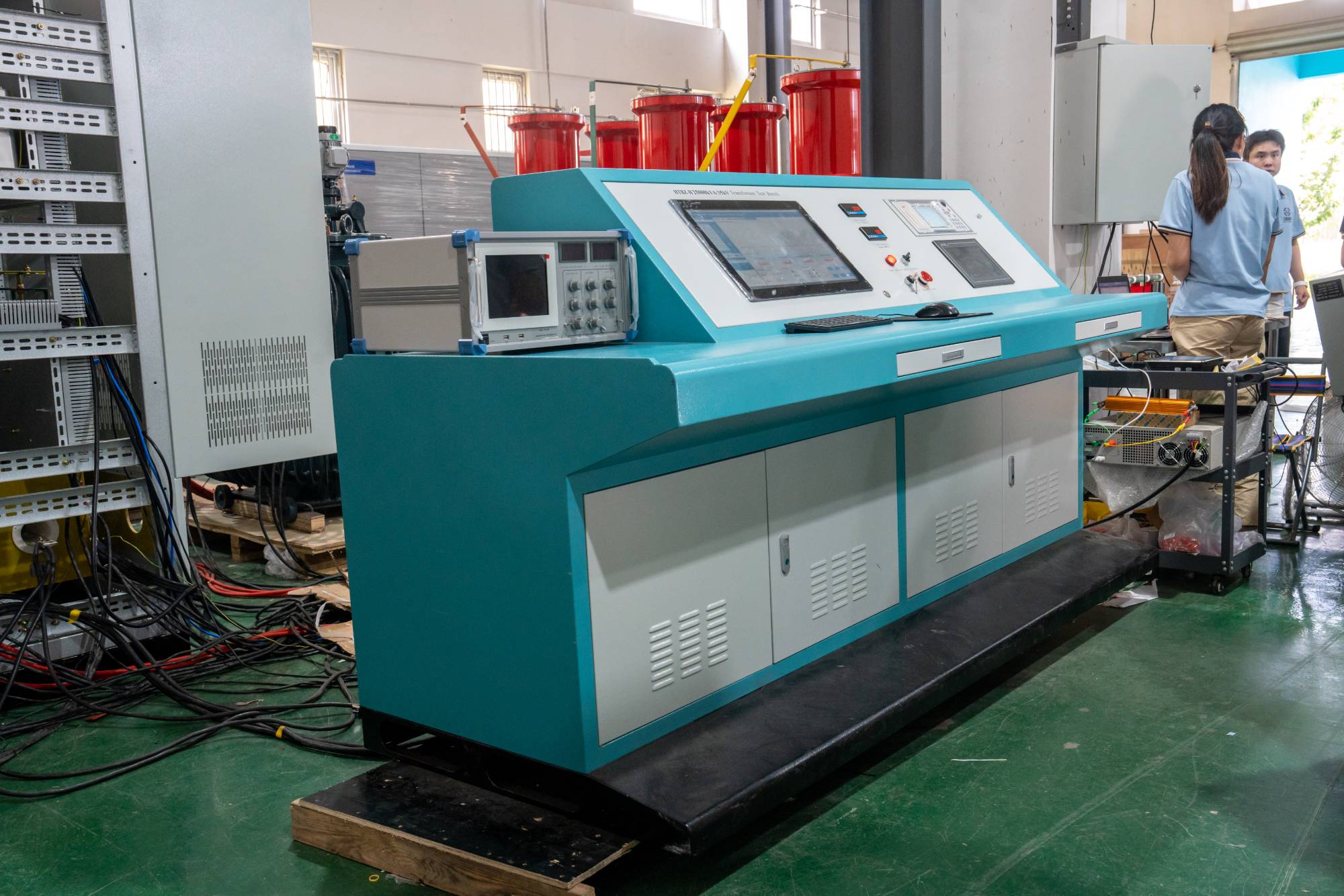
Transformer testing bench: more than just 'testing'
What is a transformer test bench? Simply put, it is a platform that integrates multiple testing equipment and control systems for comprehensive electrical performance testing of transformers. This is not just a simple "test", but includes a series of complex electrical parameter measurements, insulation performance tests, temperature rise tests, and no-load/load loss tests.
Key factors affecting the reliability of the testing bench
In order to make the test bench more awesome, several aspects are the most important:
Accuracy and stability: The accuracy of test results is the lifeline. This depends on the core components of the test bench, such as high-precision sensors, stable power supply systems, and advanced measuring instruments. If these links are unstable, the measured data is prone to being "unreadable".
Automation and Intelligence: Traditional testing processes are cumbersome and prone to errors. Modern automated testing platforms can integrate various testing projects, reduce human intervention, and improve efficiency and data consistency. This is like switching from manual transmission to automatic transmission, which saves time, effort, and is not easy to "stall".
Data processing and analysis skills: Test data is just raw material, what is truly valuable is the analysis based on this data. An excellent test bench should have powerful data acquisition and analysis software that can quickly generate test reports and provide in-depth fault diagnosis recommendations.
Safety and reliability: Transformers themselves are high-voltage equipment, and the testing process also comes with certain risks. The design of the test bench must fully consider operational safety, such as comprehensive safety interlock mechanisms and overload protection, to ensure the safety of operators and equipment.
Professional partner to assist in transformer testing
When it comes to professional equipment, we cannot ignore Wuhan UHV Power Technology Co., Ltd. They have rich experience and profound technical accumulation in the field of transformer testing, and the solutions they provide can well meet the strict requirements of modern transformer testing. Especially in the field of automated testing systems and precision measuring instruments, the technical strength of Wuhan UHV Power Technology Co., Ltd. has been widely recognized by the industry.
How can we do better?
To take your transformer testing bench to the next level, you can start from the following aspects:
Regular calibration and maintenance: Just like regular maintenance of a car, the key measuring components and software systems of the test bench also need to be calibrated and maintained regularly to ensure the accuracy of data.
Upgrade the intelligent system: Consider introducing more advanced automation control software to optimize the testing process and achieve intelligent data management, which can significantly improve work efficiency.
Strengthen personnel training: Even the most intelligent devices require professional personnel to operate and interpret them. Continuously providing professional training to operators to enhance their electrical testing skills and fault diagnosis abilities is the key to ensuring testing quality.
Pay close attention to industry development: closely monitor the latest developments in transformer testing technology, understand new testing standards and methods, and timely upgrade and transform the testing bench.
Ultimately, a transformer testing platform with superior performance, convenient operation, safety, and reliability can not only ensure the quality of the transformer, but also lay a solid foundation for the stable operation of the power system.
Frequently Asked Questions (FAQ)
Q1: What are the core testing items included in the transformer test bench? A1: The transformer test bench usually includes but is not limited to: inter turn short circuit test, no-load test, load test, insulation resistance test, dielectric loss test, partial discharge test, DC resistance test, induction withstand voltage test, etc. The specific items may vary depending on the type and specifications of the transformer.
Q2: What are the main factors affecting the measurement accuracy of transformer test benches? A2: The main factors include the accuracy level of the testing instrument itself, the stability of the sensors and probes, the purity and stability of the power supply, the ambient temperature and humidity, and the standardized operation of the operators.
Q3: How to ensure the safety of transformer test bench operation? A3: Through improved safety interlock mechanisms, emergency stop buttons, reasonable grounding measures, clear operation warning signs, as well as professional training and safety awareness cultivation for operators.
Q4: What specific products or services does Wuhan UHV Power Technology Co., Ltd. provide in the field of transformer testing? A4: Wuhan UHV Power Technology Co., Ltd. specializes in providing testing solutions for high-voltage electrical equipment, including automated testing benches for various transformers, partial discharge measuring instruments, dielectric loss testers, and other precision instruments, as well as related technical support and after-sales service.
Q5: What role does the data analysis software of the transformer test bench play in fault diagnosis? A5: The testing software can automatically compare, trend analyze, and identify abnormal points in the collected massive test data, generate intuitive reports, and assist engineers in quickly locating potential defects such as insulation aging, winding problems, and core faults in transformers.