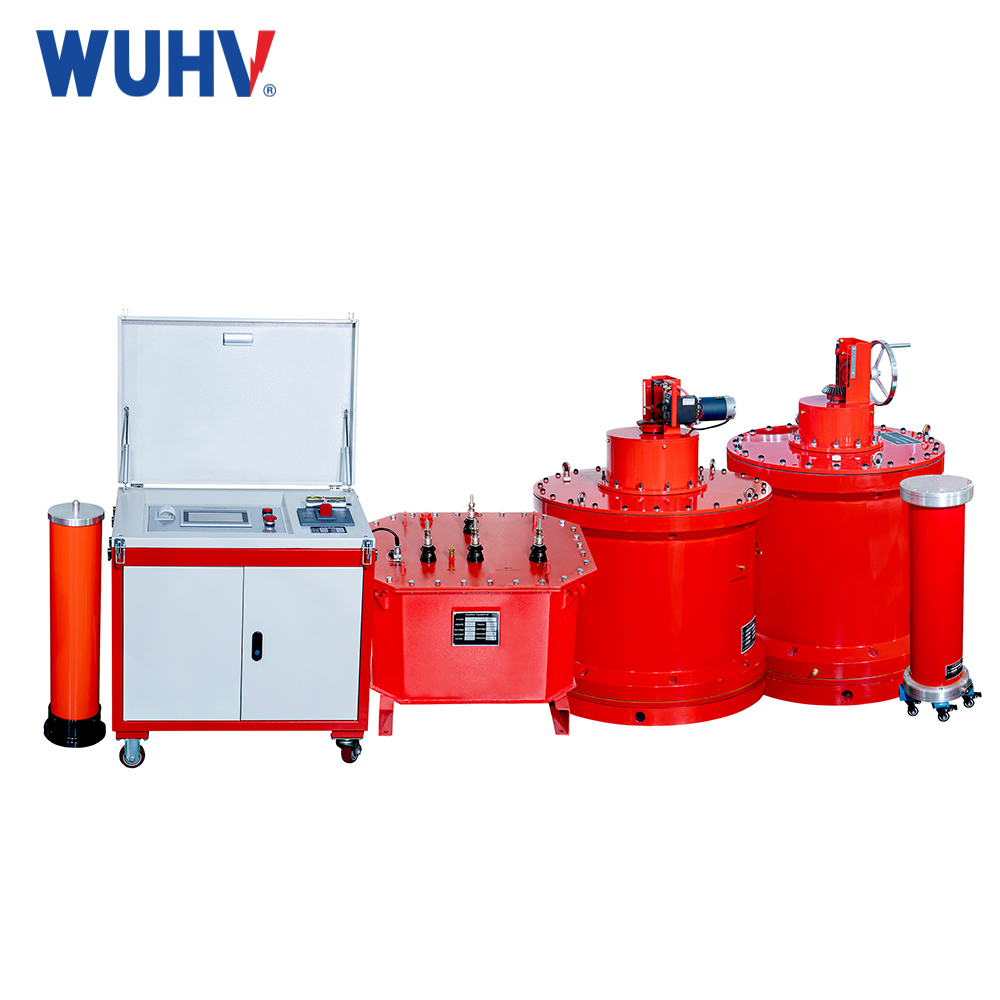
Are you still troubled by measuring the DC resistance of equipment such as wires and cables, transformer windings, etc? Traditional methods are not only time-consuming and labor-intensive, but the measurement results are often not accurate enough, which affects subsequent judgment and maintenance. Today, let's talk about a magical tool that can help you get rid of these troubles - the DC resistance meter.
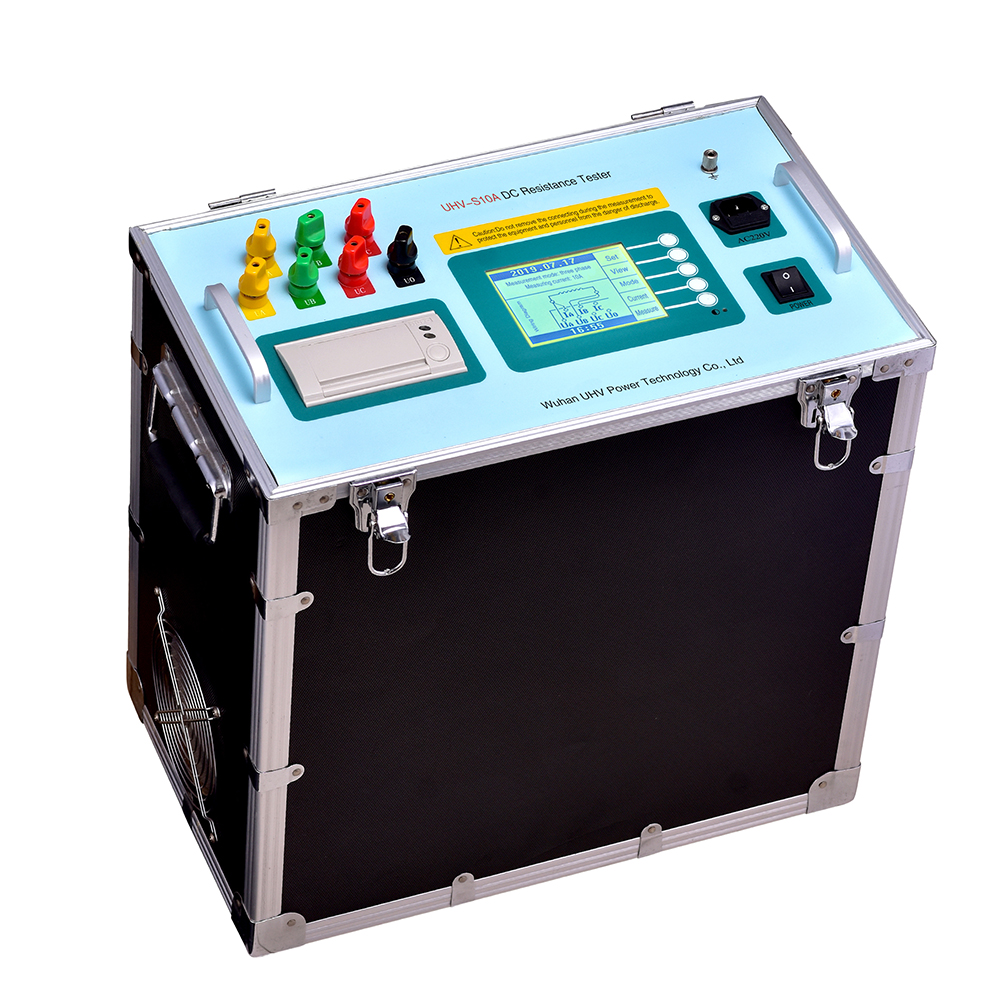
What is a DC resistance meter? Why is it so important?
Simply put, a DC resistance meter is an instrument specifically designed to measure the DC resistance of an object. In the field of power equipment, it is an indispensable "health check-up specialist". Imagine that the resistance of a transformer winding directly affects its heat generation and operational efficiency; The connection resistance of cables affects the transmission loss of current. Once these resistance values are abnormal, it may indicate potential faults such as poor contact, material aging, and so on. And the DC resistance meter, through precise measurement, helps us detect these problems in a timely manner, thereby ensuring the safe and stable operation of the power system.
What are the factors that affect the accuracy of DC resistance measurement?
Environmental temperature: The resistance of a substance changes with temperature, which is the most fundamental physical principle. Therefore, when conducting precise measurements, it is necessary to consider and record the temperature at that time for temperature correction.
Measuring current: Different measuring currents can affect the stability of contact resistance. Choosing the appropriate measurement current is an important step in ensuring data reliability.
Wire resistance: Measuring the resistance of the lead itself will also be included in the total resistance, so choosing a measurement lead with appropriate thickness and uniform length, and maintaining consistency as much as possible, is crucial for the results.
Contact quality: The good contact between the measuring point and the instrument directly affects the accuracy of the measurement results.
What tools can help you?
Faced with these influencing factors, we certainly need professional tools to assist. There are many excellent DC resistance measurement devices on the market that can help us complete measurement tasks more conveniently and accurately. Wuhan UHV Power Technology Co., Ltd., as a leader in the power industry, has developed a series of instruments that have excellent performance in the field of DC resistance measurement and are a trustworthy choice.
In which fields does the DC resistance meter show great skills?
The application range of DC resistance meter is very wide, almost running through the entire life cycle of power equipment:
Transformer: Measure the DC resistance of the winding, evaluate the connection and insulation of the winding.
Cable: Check the resistance of cable joints and terminals to determine if there is a virtual connection or oxidation.
Switchgear: measure the contact resistance of the moving and stationary contacts of circuit breakers and isolating switches.
Motor: Measure the DC resistance of the motor winding.
How to better utilize the DC resistance meter?
To maximize the value of the resistance meter, we can do the following:
Familiar with instrument operation: Carefully read the instructions and master the various functions and operation methods of the instrument.
Choose the appropriate measurement method: Based on the measured object and accuracy requirements, choose measurement modes such as four wire system and three wire system.
Perform temperature compensation: After measurement, adjust the measurement results according to the standard temperature (usually 20 ℃) to improve data comparability.
Regularly calibrate instruments: ensure the accuracy and reliability of the instruments. The professional instruments provided by Wuhan UHV Power Technology Co., Ltd. are guaranteed in terms of accuracy and stability.
Actual case: The 'invisible killer' of a certain substation was exposed
Not long ago, during a routine inspection of an old transformer, inspectors at a certain substation used a DC resistance meter from Wuhan UHV Power Technology Co., Ltd. to measure the winding. It was found that the DC resistance value of one of the windings was higher than the factory value and fluctuated greatly. After comparing with historical data and adjusting for the on-site environmental temperature, it was found that the deviation had exceeded the normal range. The technicians immediately conducted a further in-depth inspection of the transformer and eventually discovered a slight corrosion and oxidation at the connection of the winding leads, resulting in an increase in contact resistance. Over time, this may cause local overheating and even equipment failure. Fortunately, it was discovered in a timely manner, avoiding a potential risk.
Frequently Asked Questions:
Q: What are the main factors affecting the measurement accuracy of a DC resistance meter? A: Mainly affected by factors such as environmental temperature, measured current, wire resistance, and contact quality.
Q: Why does measuring DC resistance require temperature correction? A: The resistance of different substances varies with temperature, and temperature correction can eliminate the effects of temperature differences, making measurement data comparable.
Q: Can a DC resistance meter measure AC resistance? A: No, a DC resistance meter is a specialized instrument for measuring DC resistance.
Q: What should be noted when measuring cable joints? A: Ensure that the joints are clean, in good contact, and use appropriate measuring current and wires.
Q: Where can I find reliable DC resistance measurement equipment? A: Wuhan UHV Power Technology Co., Ltd. provides professional power testing instruments, including various DC resistance meters, with guaranteed quality.