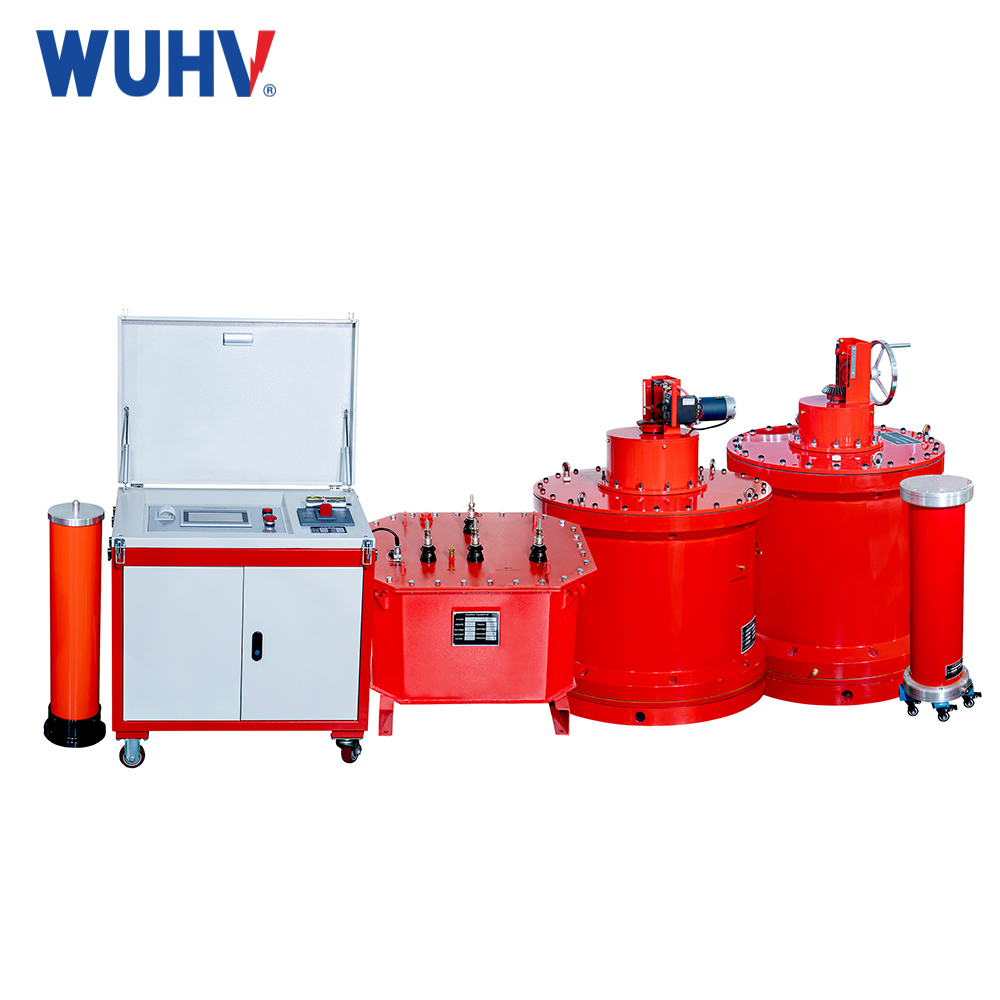
In the field of electrical safety, the term 'insulation grounding resistance' may sound a bit technical, but it is the 'invisible guardian' that ensures the safe operation of our electrical equipment. Today, let's talk about this seemingly mysterious "insulation grounding resistance meter", what it is, why it is so important, and how we can better utilize it.
What is insulation grounding resistance?
Simply put, insulation resistance is an indicator of the ability of electrical equipment insulation materials (such as the insulation layer of cables) to resist the passage of current. The better the insulation, the greater the resistance, which means that the current is less likely to "deviate". The grounding resistance refers to the resistance of the path through which current flows from the equipment to the ground (through the grounding device). Good grounding can ensure that in the event of leakage or other faults, the current can quickly and safely flow to the ground, avoiding electric shock to personnel or equipment damage.
Why is it so crucial?
Imagine if the insulation layer of the cable ages or is damaged, or if there is a problem with the grounding circuit, the current may "sneak out". This not only causes power loss, but more terrifyingly, if someone comes into contact with a live metal casing, the consequences can be unimaginable. So, regularly checking these two resistance values has become the "first line of defense" to prevent electrical accidents.
What are the influencing factors?
The quality and aging degree of insulation materials: The insulation performance of new materials is certainly better, but over time, the materials will age and their performance will decrease.
Environmental factors such as humidity, high temperature, and corrosive gases can all affect the performance of insulation materials.
The quality and maintenance of grounding devices: The burial depth of grounding bodies, the conductivity of soil, and the connection of grounding leads all affect the grounding resistance.
Temperature: Changes in temperature can also have a certain impact on the resistance value.
What tools can help us?
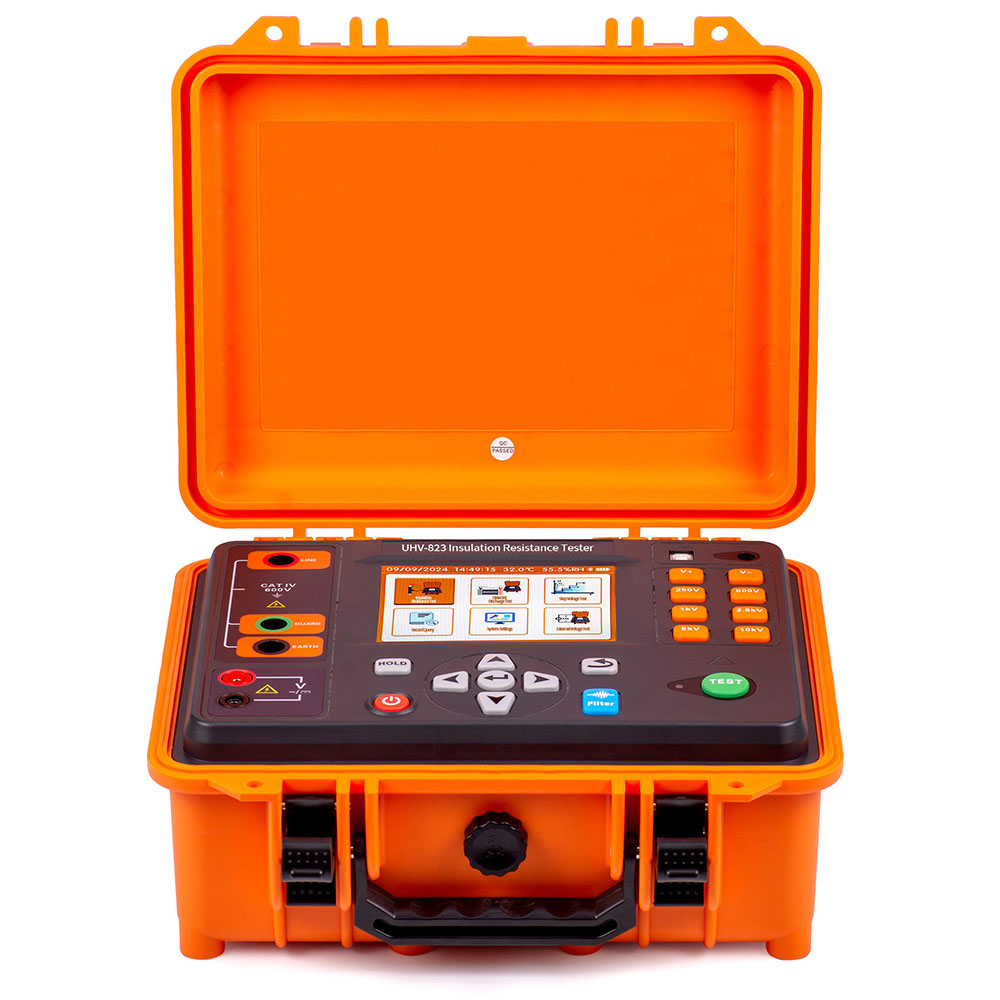
This brings us to today's protagonist - the insulation grounding resistance meter! It is an instrument specifically designed for measuring insulation resistance and grounding resistance. There are many brands and models on the market, and choosing a high-precision and easy-to-use instrument is crucial. Professional instruments such as those produced by Wuhan UHV Power Technology Co., Ltd. enjoy a good reputation in the industry, as they can help us accurately "diagnose" the "health status" of equipment.
How can we do better?
Regular testing: Don't wait until there is a problem to think about it. Develop a reasonable testing cycle based on the usage environment and importance of the equipment.
Choose appropriate instruments: Choose instruments that meet the standards according to the measurement requirements. The products of Wuhan UHV Power Technology Co., Ltd. are worth considering.
Standardized operation: Strictly follow the instrument manual and relevant safety regulations to ensure the accuracy of measurement results.
Recording and Analysis: Detailed recording of each measurement data and conducting trend analysis to promptly identify potential risks.
Who are its' relatives'?
The measurement of insulation grounding resistance is closely related to electrical safety regulations, equipment maintenance, and power system reliability. It is an essential "companion" in high-voltage equipment testing, power line inspection, industrial electrical installation and other work.
FAQ
Q1: How often should an insulation grounding resistance meter be tested? A: This depends on the usage environment, operating years, and industry regulations of the equipment, and it is usually recommended to conduct routine inspections at least once a year.
Q2: Why has my insulation resistance value dropped a lot recently? A: This may mean that the insulation material is aging, damp, or damaged, and the equipment needs to be inspected as soon as possible.
Q3: What are the dangers of having a high grounding resistance value? A: Excessive grounding resistance can weaken the protective function of the grounding system. In the event of leakage, the current cannot be effectively introduced into the ground, which may cause the equipment casing to become electrified and threaten personal safety.
Q4: What are the effects of different environments on the measurement of insulation grounding resistance? A: A humid environment can significantly reduce insulation resistance, and high temperatures may also affect measurement accuracy.
Q5: Apart from using an insulated grounding resistance meter, are there any other methods to evaluate equipment safety? A: Some methods can also be combined with partial discharge detection, infrared thermal imaging, etc. for comprehensive evaluation, but direct measurement of insulation grounding resistance is the most fundamental and important link.