With the widespread application of power cables in transmission and distribution networks, urban power grids, substations, and industrial power supply systems, XLPE cross-linked polyethylene cables have become an important component of medium and high voltage power transmission. Compared with traditional cables, XLPE cables have the characteristics of good insulation performance, strong heat resistance, high current carrying capacity, and long service life. However, during long-term operation, they may still be affected by factors such as electrical stress, mechanical damage, partial discharge, and insulation aging. Therefore, regularly conducting preventive and handover tests on cables is of great significance for judging the insulation status of cables, discovering potential defects, and ensuring the stable operation of the power system.
When selecting XLPE cable testing equipment, it is necessary to comprehensively consider the rated voltage, length, insulation structure, testing standards, and on-site testing conditions of the cable. Different testing equipment is suitable for different testing projects, and suitability cannot be judged solely based on the output voltage or price of the equipment.
1、 Select testing equipment based on XLPE cable voltage level
The voltage level of XLPE cables is the first factor to consider when selecting testing equipment. There are significant differences in insulation thickness, structural design, and withstand voltage among low voltage, medium voltage, and high voltage cables, therefore corresponding voltage level testing equipment needs to be configured.
For medium voltage XLPE cables, it is usually necessary to conduct tests such as AC withstand voltage and insulation status testing according to applicable standards and cable operating conditions. For XLPE cables with voltage levels of 110kV, 220kV, and higher, the testing equipment not only needs to meet the corresponding output voltage requirements, but also needs to have stable voltage regulation capabilities, reliable protection functions, and output capabilities that can adapt to larger cable capacitance.
Before purchasing equipment, the rated voltage, length, cross-sectional area, and testing requirements of the cables should be provided to the manufacturer in order to determine reasonable equipment capacity and technical parameters.
2、 Prioritize frequency conversion series resonance testing equipment
XLPE cables usually have a large capacitance, especially for long-distance high-voltage cables. When conducting AC withstand voltage tests, if ordinary power frequency test transformers are used, a larger power capacity is often required, and the equipment volume and weight will also increase accordingly.
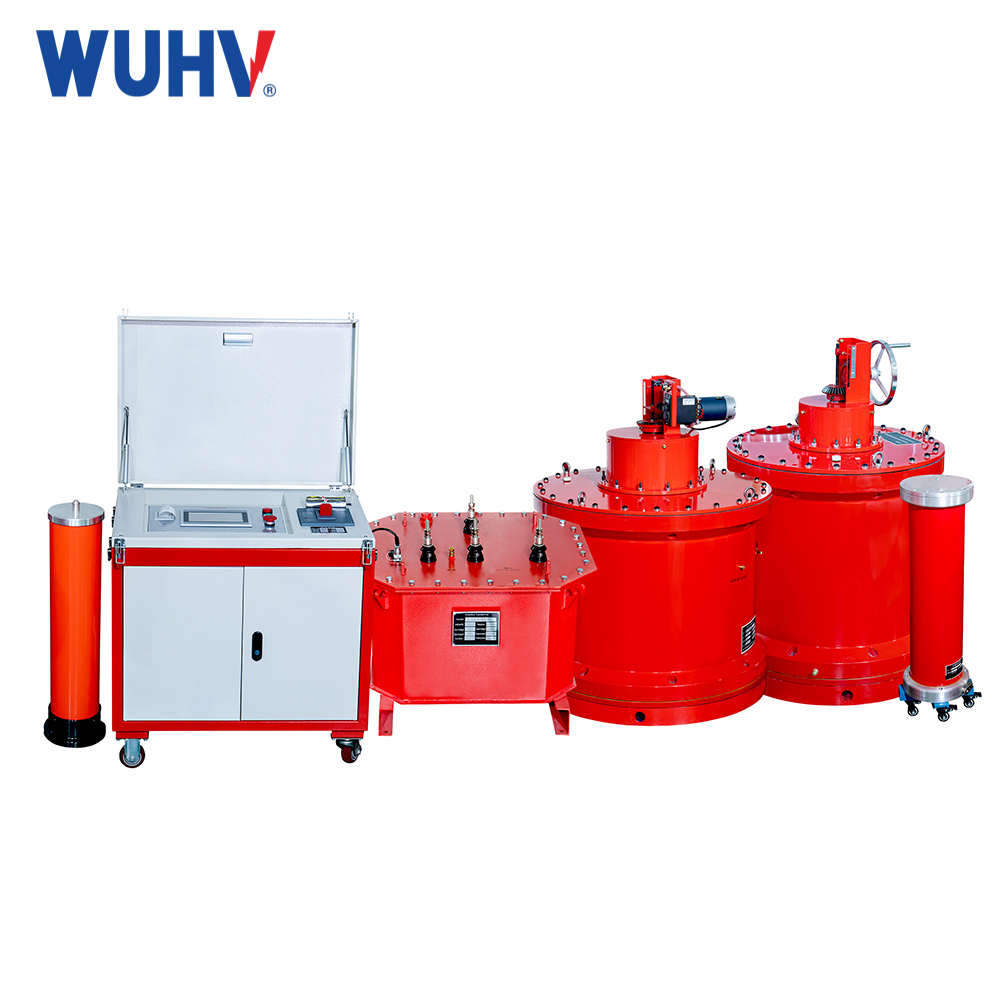
のfrequency conversion series resonance test device is a common equipment selection in the AC withstand voltage test of XLPE cables. This device uses a reactor to form a series resonant circuit with the tested cable, and completes the AC withstand voltage test in a resonant state, which can effectively reduce the capacity required for the test power supply.
When choosing a series resonant device, it is important to focus on the following aspects:
Firstly, the output voltage range. The equipment should be able to meet the requirements of the corresponding test voltage for the tested cable and have an appropriate voltage regulation range.
Next is the rated capacity. The longer the XLPE cable length, the larger the capacitance, and the higher the capacity requirements for the resonant device. If the equipment capacity is insufficient, it may not be able to reach the specified test voltage.
In addition, attention should be paid to reactor configuration, frequency modulation range, automatic tuning function, as well as overvoltage, overcurrent, and flashover protection functions. For power testing units that require frequent on-site testing, automatic tuning and automatic boosting functions can reduce manual operations and improve testing efficiency.
3、 Select different cable testing equipment according to the testing purpose
The testing of XLPE cables is not limited to AC withstand voltage testing. The insulation performance and fault types of different test projects are different, so the corresponding equipment should be selected according to the actual testing purpose.
1. AC withstand voltage test equipment
The AC withstand voltage test is mainly used to test the withstand capacity of the main insulation of XLPE cables under the specified test voltage, and is an important item in cable handover and related preventive tests.
For medium and high voltage XLPE cables, a variable frequency series resonance test device can be selected according to applicable standards and test procedures. The equipment needs to have stable voltage boosting, real-time voltage monitoring, and comprehensive safety protection functions.
2. Very low frequency withstand voltage testing equipment
Very low frequency (VLF) withstand voltage testing equipment is mainly used for insulation withstand voltage testing of cables at specific voltage levels and allowed by testing regulations.
Compared with power frequency AC testing, VLF equipment usually has a smaller power capacity requirement under the same cable capacitance conditions, making it easier to carry and operate on site.
However, VLF testing cannot simply replace all XLPE cable AC withstand voltage tests. The actual testing method to be used depends on the cable type, rated voltage, testing stage, and applicable standards.
3. Partial discharge detection equipment
Partial discharge may occur inside cable insulation, at accessory connection points, and at cable terminations. For high-voltage and ultra-high voltage XLPE cables, partial discharge detection helps to detect insulation manufacturing defects, installation defects, and local insulation degradation issues.
When choosing partial discharge detection equipment, attention should be paid to detection sensitivity, anti-interference ability, signal acquisition method, and data analysis function. For on-site detection, whether the equipment supports different sensors and multiple detection methods should also be considered.
4. Cable fault location equipment
When XLPE cables experience insulation breakdown, short circuit, or open circuit faults, cable fault location equipment can help workers determine the approximate location of the fault.
Common equipment includes cable fault testers, pathfinders, fixed-point devices, and high-voltage signal generators. Different devices undertake different tasks, and in practical applications, they usually need to be used in conjunction to complete fault pre positioning, path finding, and precise positioning.
4、 Pay attention to the output capacity and cable length of the device
Cable length is one of the important factors affecting the selection of testing equipment. XLPE cables of the same voltage level may have significant differences in capacitance if their lengths are different.
In the AC withstand voltage test, the capacitance of the cable directly affects the required capacity of the test circuit. If equipment is selected based solely on cable voltage levels without considering cable length and capacitance, issues such as equipment failure to boost voltage, test frequency exceeding range, or insufficient capacity may arise.
Therefore, when purchasing variable frequency series resonant equipment, it is recommended to confirm the following parameters in advance:
The rated voltage and maximum test voltage of the XLPE cable being tested.
Actual length and capacitance per unit length of cable.
Test frequency range and test duration.
Rated output voltage and rated capacity of the equipment.
The combination method and on-site usage conditions of reactors.
These data can help manufacturers configure variable frequency power supplies, excitation transformers, and resonant reactors reasonably, avoiding equipment configurations that are too large or unable to meet actual testing needs.
5、 Consider the on-site usage environment and equipment operational performance
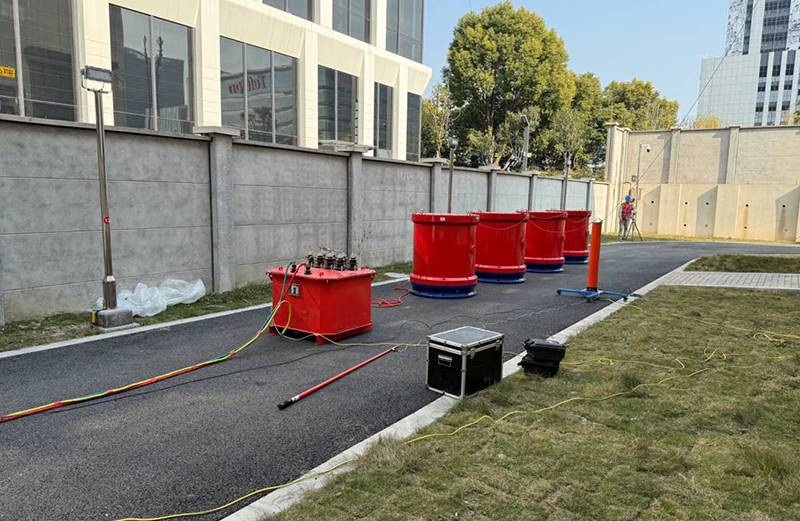
XLPE cable testing work is often carried out in substations, cable trenches, underground cable channels, and outdoor construction sites, so the portability, ease of operation, and environmental adaptability of the equipment are also worthy of attention.
For users who frequently conduct on-site inspections, modular design testing equipment can be prioritized. The split structure is convenient for transportation and installation, and also facilitates adjusting the reactor combination according to different cable lengths.
In addition, whether the equipment is equipped with touch screen control, automatic frequency scanning, automatic tuning, automatic boosting, and test data storage functions will also affect the actual efficiency of use.
Security protection cannot be ignored either. Overvoltage protection, overcurrent protection, zero start protection, flashover protection, and emergency stop function can timely cut off the output in abnormal situations, reducing safety risks during the testing process.
6、 Choose equipment suppliers with professional technical support
XLPE cable testing equipment involves high voltage output, resonance parameter matching, and on-site testing operations. The technical capabilities of suppliers directly affect equipment configuration and subsequent use.
When purchasing, in addition to comparing equipment prices, it is also necessary to understand whether the supplier can provide selection plans based on cable parameters, whether they have production and export experience of relevant equipment, and whether they can provide equipment debugging, operation training, and after-sales technical support.
Wuhan UHV Power Technology Co., Ltd. has long been dedicated to the research and production of power testing equipment. Our products include variable frequency series resonance testing devices, AC withstand voltage testing equipment, DC high-voltage generators, partial discharge detection equipment, and cable fault testing equipment. We can provide relevant testing equipment and solutions for power testing units, substations, power engineering companies, and industrial users.
For users who need to conduct XLPE cable tests with different voltage levels, suitable equipment configurations can be determined through communication with equipment suppliers based on specific test items, cable lengths, and site conditions.
7、 What are the issues that need to be confirmed before purchasing XLPE cable testing equipment?
Before formal procurement, it is recommended not to only provide one voltage level, but to clarify the actual testing requirements as much as possible. For example, whether to test newly installed cables or operating cables, whether to conduct handover tests or preventive tests, whether partial discharge testing is required, and whether the equipment is mainly used in laboratories or outdoor sites.
These pieces of information can help suppliers determine whether to configure variable frequency series resonant devices, VLF withstand voltage testing equipment, or other cable testing instruments.
At the same time, it should be confirmed whether the equipment meets the relevant testing standards of the project location, whether the technical parameters meet the actual requirements, whether the random accessories are complete, and whether technical support can be obtained in the future.
Choosing testing equipment suitable for XLPE cables requires consideration from multiple aspects such as cable voltage level, length, capacitance, test items, and on-site usage conditions. For the AC withstand voltage test of medium and high voltage XLPE cables, the frequency conversion series resonance test device has good on-site application value; For insulation state assessment, local defect detection, and fault troubleshooting, specialized instruments such as partial discharge detection equipment and cable fault testers need to be configured according to specific needs.
Reasonable equipment selection can not only ensure smooth testing, but also help improve cable detection efficiency and provide reliable guarantees for the safe operation of power cables.