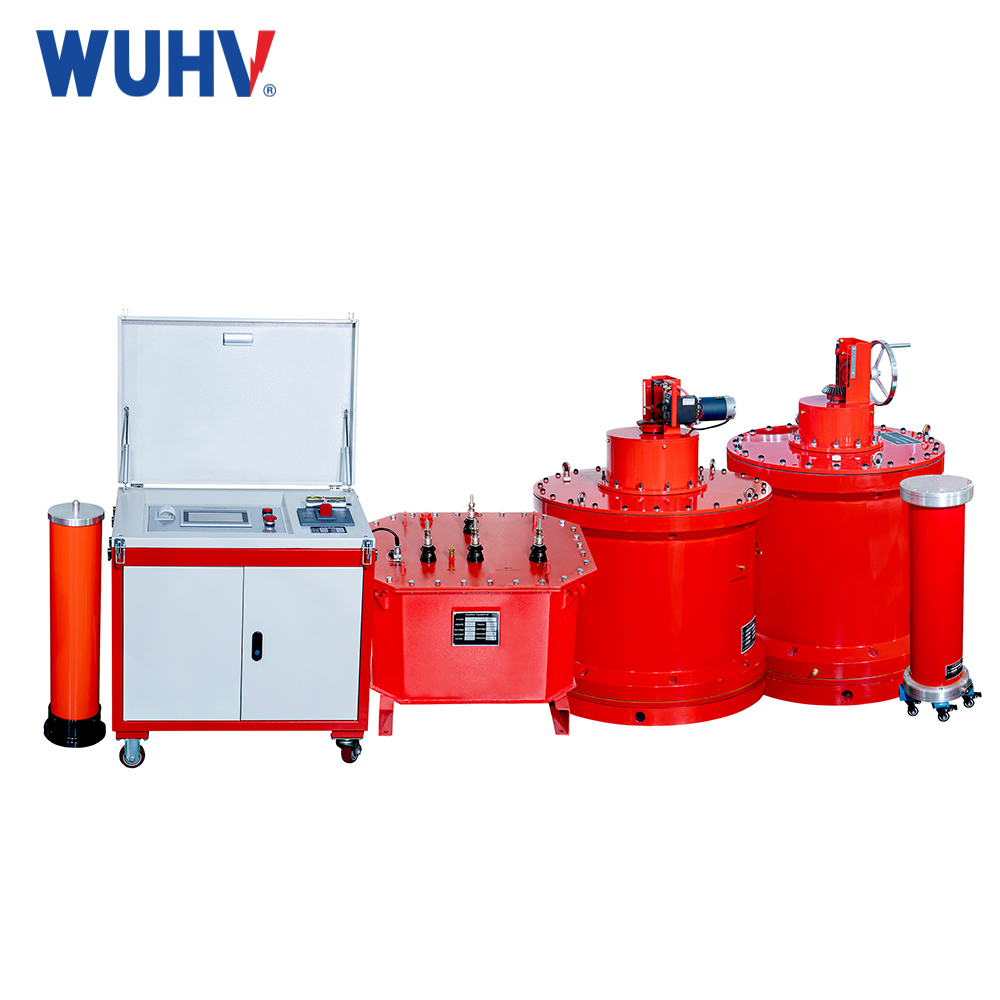
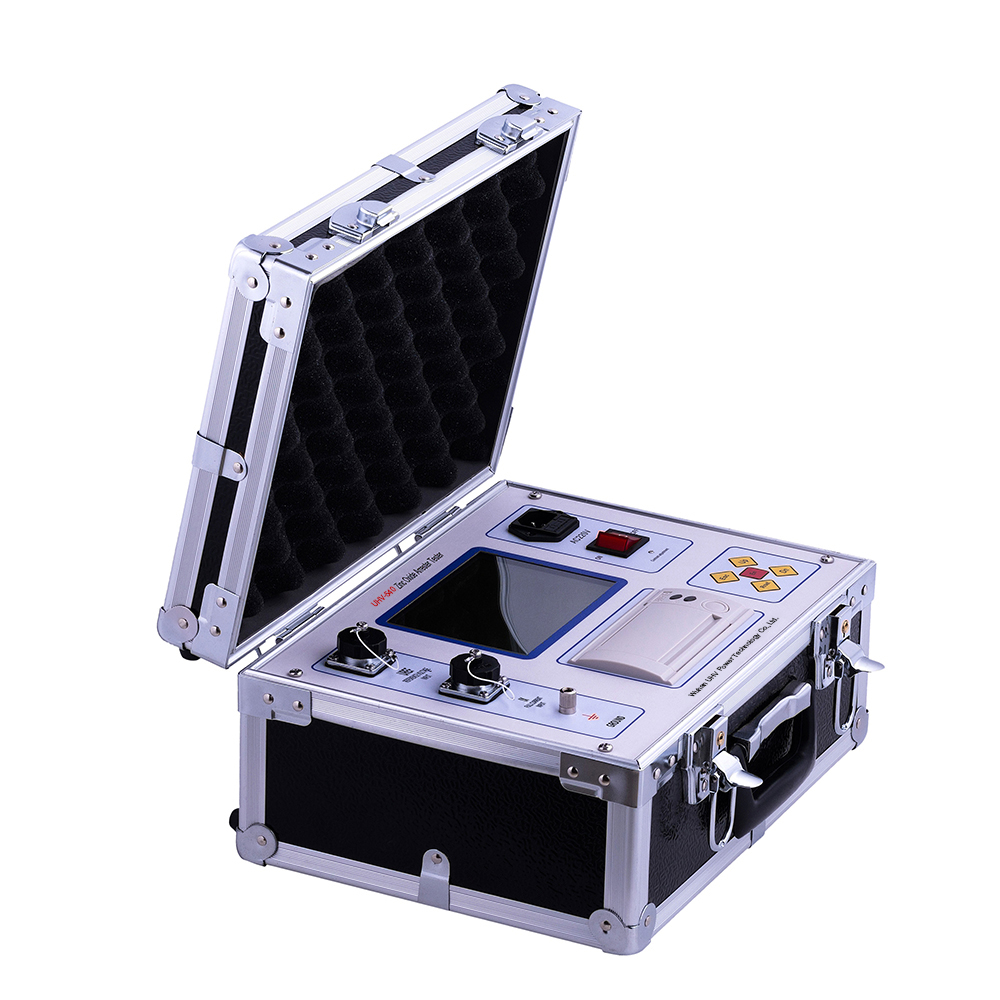
Have you ever been curious about how the "guardian deity" of the power system - zinc oxide lightning arrester - ensures that it is always in the best working condition to resist lightning strikes and operational overvoltages? The answer lies in its' performance check ', and behind all of this, an important device is indispensable: the zinc oxide lightning arrester characteristic tester.
What is a zinc oxide lightning arrester?
Simply put, a zinc oxide arrester (ZnO arrester) is a nonlinear resistor device that exhibits a high resistance state under normal operating voltage, with almost no conduction. However, when the voltage suddenly rises (such as lightning strikes), its resistance will sharply decrease, thereby diverting the energy of overvoltage to the ground and protecting electrical equipment connected in series from damage.
What are the factors that affect its performance?
The performance of zinc oxide lightning arrester is not constant, and it is affected by various factors:
Aging and wear: Long term operation will gradually age the internal zinc oxide varistors, causing changes in their conductivity.
Environmental factors such as temperature, humidity, and dust pollution can all affect the insulation performance and surface condition of lightning arresters.
The frequency and amplitude of overvoltage operation: Frequent exposure to high-energy shocks can accelerate internal losses.
How to "peek into" the health status of zinc oxide lightning arresters?
To understand the working status of lightning arresters, it is necessary to conduct characteristic tests on them. And the zinc oxide lightning arrester characteristic tester is the key tool for this "observation, listening, questioning and cutting". It can measure multiple key parameters of lightning arresters, such as:
Power frequency discharge voltage: Evaluate the leakage current of lightning arresters under normal voltage.
Residual voltage characteristics: Measuring the voltage value at both ends of a lightning arrester when subjected to surge current, which is the core indicator for measuring the protection performance of the lightning arrester.
Insulation resistance: reflects the overall insulation level of the lightning arrester.
Through the analysis of these data, we can accurately determine whether there is a risk of deterioration or failure of lightning arresters, and promptly replace or maintain them to avoid equipment damage.
Who is safeguarding power safety?
In the field of power equipment testing, Wuhan UHV Power Technology Co., Ltd. provides high-quality solutions for power users with its professional technology and reliable products. The various power testing instruments they produce, including zinc oxide lightning arrester characteristic testers, play a crucial role in ensuring the safe and stable operation of the power system. You can visit the official website of Wuhan UHV Power Technology Co., Ltd. to learn more about its products and technology.
How can we do better?
To ensure the accuracy and reliability of test results, when using a zinc oxide lightning arrester characteristic tester, we recommend:
Strictly follow the operating procedures: familiarize yourself with the operating instructions of the equipment, ensure correct connection, and set reasonable parameters.
Regularly calibrate equipment: ensure the accuracy of the testing instrument itself and avoid misjudgment caused by equipment errors.
Based on the actual situation on site, compare and analyze the test data with the operating environment and historical data of the lightning arrester to make a more comprehensive judgment.
Choose a reputable supplier, such as Wuhan UHV Power Technology Co., Ltd., who can provide high-quality products and comprehensive after-sales service, providing solid guarantees for your equipment testing.
frequently asked questions
Q1: How often does the zinc oxide lightning arrester need to undergo characteristic testing? A1: It is usually recommended to conduct it once a year or every two years based on the operating environment and importance of the equipment.
Q2: During the testing process, which parameters best reflect the quality of the lightning arrester? A2: Residual voltage characteristics and power frequency discharge voltage are key indicators that directly affect the protection capability and leakage situation of lightning arresters.
Q3: What should I do if the test data is abnormal? A3: Contact professional technicians or equipment manufacturers in a timely manner for further diagnosis and treatment.
Q4: What kind of environment can accelerate the aging of zinc oxide lightning arresters? A4: High temperature, humidity, dust, salt spray and other harsh environments can accelerate its aging process.
Q5: Apart from the characteristic tester, are there any other methods to evaluate the status of lightning arresters? A5: Multiple methods such as infrared temperature measurement and partial discharge detection can be combined for comprehensive evaluation.