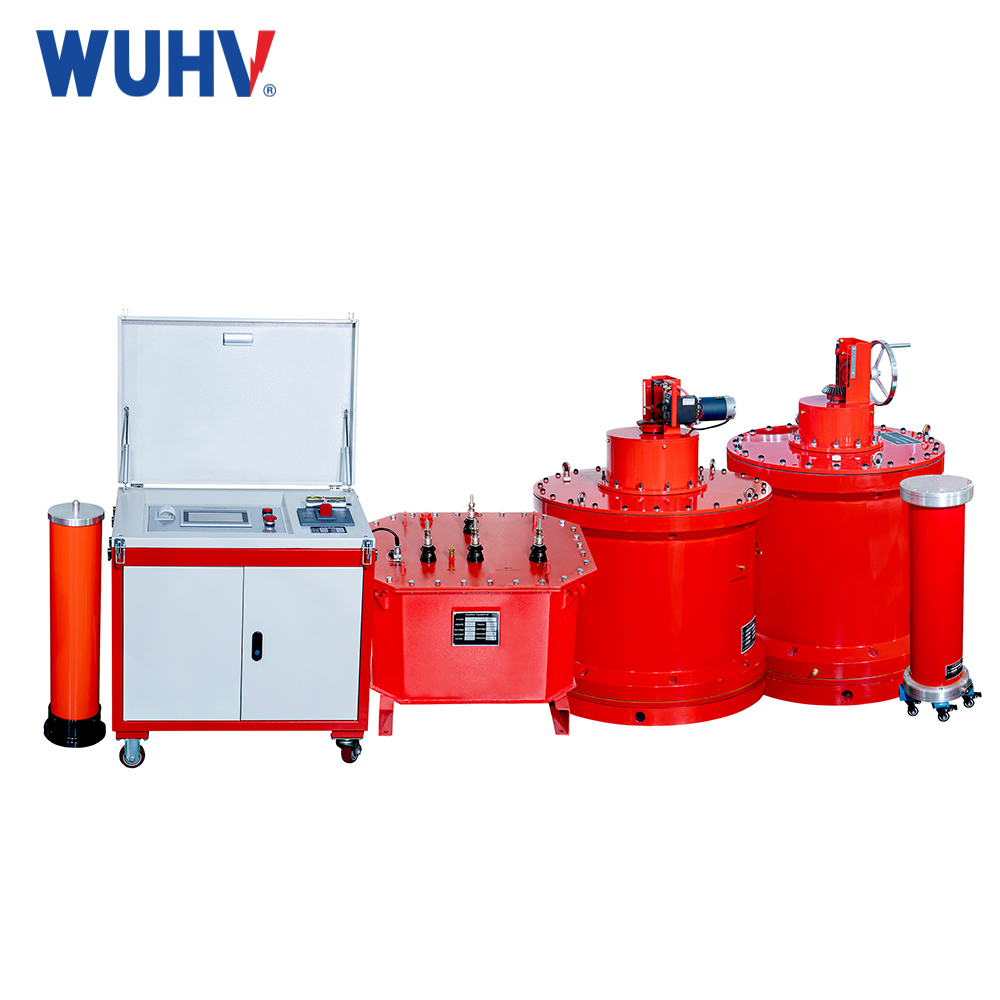
Have you ever been curious why electrical equipment such as transformers, cables, etc. need to undergo a "physical examination" after running for a period of time? In this "physical examination" process, an indicator called "dielectric loss" plays a crucial role. Today, let's talk about the secret weapon that can accurately diagnose the "health status" of power equipment - the variable frequency dielectric loss tester.
What is frequency conversion dielectric loss? ——Health Code for Power Insulation
We need to figure out what 'dielectric loss' really is. Simply put, insulation materials in power equipment (such as transformer insulation oil, cable insulation layer) are like a "fence" that prevents current from running around. When a voltage is applied to insulating materials, a portion of the electrical energy is converted into heat energy and dissipated due to defects in the material itself, such as moisture, impurities, aging, etc. This energy loss is called "dielectric loss".
The better the 'fence', the less leakage: materials with better insulation performance have lower dielectric losses.
The "health code" changes color and a warning sounds: If the dielectric loss value suddenly increases, it is like the "health code" of insulation material changing color, which means that there may be insulation problems. This not only affects the normal operation of the equipment, but in severe cases, it may also cause equipment damage or even safety accidents.
What are the "behind the scenes" factors that affect dielectric loss?
What causes changes in the "health status" of this "wall"? There are mainly several "behind the scenes black hands":
Moisture content: This is the most common and influential factor. Moisture significantly reduces the dielectric strength of insulation materials, leading to a sharp increase in dielectric loss.
Impurities: Dust, metal particles, and other impurities in insulation materials may also form conductive channels, increasing energy loss.
Temperature: An increase in temperature will accelerate the aging of insulation materials, leading to a decrease in their performance and an increase in dielectric loss.
Aging and deterioration: Over long-term operation, insulation materials will naturally age, causing changes in internal structure and gradually increasing dielectric losses.
Partial discharge: Small discharges inside equipment can also cause damage to insulation materials, thereby affecting dielectric loss.
Variable frequency dielectric loss tester: making the "health code" clear at a glance
Faced with these potential health hazards, we need a professional 'doctor' to diagnose them. The variable frequency dielectric loss tester is such a 'high-tech doctor'. It can accurately measure the dielectric loss tangent (tan δ) and capacitance value of insulation materials in power equipment, thereby evaluating the overall state of insulation.
Why is it 'frequency conversion'? ——More intelligent and accurate diagnosis
You may ask, why is it called "variable frequency"? Traditional dielectric loss testing typically uses a fixed frequency (such as 50Hz) power supply. The variable frequency dielectric loss tester can obtain richer and more comprehensive diagnostic information by changing the frequency of the testing power supply.
Multi frequency measurement: By measuring at different frequencies, different types of losses can be distinguished, such as high-frequency losses caused by moisture or low-frequency losses caused by aging, providing more accurate basis for fault diagnosis.
Strong anti-interference ability: Frequency conversion technology can effectively avoid harmonic interference in the power grid, making test results more stable and reliable, especially in complex on-site environments, which is particularly important.
Efficiency improvement: The intelligent frequency conversion tester can automatically complete the measurement process and provide intuitive test reports, greatly improving work efficiency.
Intelligent Solution of Wuhan UHV Power Technology Co., Ltd
In the field of power equipment testing, Wuhan Ultra High Voltage Power Technology Co., Ltd. has been committed to providing leading technology and products. The frequency conversion dielectric loss tester developed by it integrates advanced frequency conversion technology and intelligent algorithms, which can provide accurate and reliable insulation state assessment for users in complex on-site environments. Whether it is transformers in large substations or cables in urban underground pipelines, products from Wuhan UHV Power Technology Co., Ltd. can become powerful assistants for the "physical examination" of power equipment.
What can the variable frequency dielectric loss tester do? ——From 'Symptoms' to' Causes'
A qualified variable frequency dielectric loss tester can help us achieve the following:
Early fault warning: Timely detect small signs of deterioration in insulation materials, issue warnings before the problem develops into a major fault, and avoid huge losses caused by equipment shutdown.
Accurate fault diagnosis: By combining other electrical parameters and analyzing the trend of changes in dielectric loss, the nature and location of insulation faults can be more accurately determined.
Equipment status assessment: providing scientific basis for the operation and maintenance of equipment, and helping to develop reasonable maintenance plans.
Quality control: Used to inspect whether the quality of insulation materials meets the standards before the equipment leaves the factory or during the installation process.
How can we better utilize this' medical examiner '?
To maximize the value of the variable frequency dielectric loss tester, there are several suggestions:
Follow the operating procedures: Conduct testing strictly in accordance with the equipment manual and on-site operating procedures to ensure personal and equipment safety.
Select appropriate testing conditions: Based on the type of device being tested and the on-site environment, set reasonable parameters such as testing voltage and frequency.
Establish a historical data archive: Regularly test the equipment and record each test data to establish a detailed archive. By comparing historical data, the trend of insulation state changes can be observed more clearly.
Combining with other testing methods: Dielectric loss testing is an important means of evaluating insulation status, but it is best to use it in conjunction with other electrical testing methods (such as insulation resistance testing, partial discharge measurement, etc.) for comprehensive analysis.
Variable frequency dielectric loss testing and related technologies
Variable frequency dielectric loss testing is not an isolated technology, it is closely connected to multiple fields in the power system:
High voltage electrical equipment: transformers, transformers, generators, motors, high-voltage switchgear, etc., are all important objects for dielectric loss testing.
The evaluation of insulation performance of power cables, especially high-voltage and ultra-high voltage cables, is crucial for the reliable operation of the power grid.
Insulation Materials Science: A deep understanding of the loss mechanisms of different insulation materials (such as solid dielectrics and liquid dielectrics) can help better interpret test results.
Power system relay protection: Accurate insulation state assessment is a prerequisite for ensuring reliable operation of the relay protection system.
The variable frequency dielectric loss tester, as a powerful tool for diagnosing power equipment, provides us with a window of insight into the "health status" of power insulation through its accurate measurement capability. From early warning to precise diagnosis, it plays an indispensable role in ensuring the safe and stable operation of the power system. With professional products and technical support like Wuhan UHV Power Technology Co., Ltd., we can more confidently respond to the operational challenges of power equipment, ensuring that the "light" never goes out.
Frequently Asked Questions (FAQ)
Q: Under what circumstances is the frequency conversion dielectric loss tester most effective? A: When conducting regular inspections and fault diagnosis of insulation in high-voltage electrical equipment, frequency conversion dielectric loss testers can provide valuable information, especially when suspecting insulation issues such as moisture, aging, or impurity contamination.
Q: What are the main differences between variable frequency dielectric loss testing and traditional fixed frequency testing? A: Variable frequency testers can obtain more comprehensive insulation characteristic information by changing the testing frequency, making it easier to distinguish different types of insulation degradation, and usually have stronger anti-interference capabilities.
Q: Why are test results affected by temperature? A: The increase in temperature usually accelerates the chemical reaction and physical aging process of insulation materials, improves the carrier mobility, and thus leads to an increase in dielectric loss.
Q: How often should I conduct a dielectric loss test? A: This depends on the type of device, operating environment, and level of importance. Generally speaking, for critical high-voltage equipment, it is recommended to conduct testing at least once a year and establish trend analysis.
Q: What other methods can be used to evaluate insulation status besides dielectric loss? A: A comprehensive evaluation can be conducted by combining various methods such as insulation resistance testing, DC leakage current testing, partial discharge measurement, and analysis of dissolved gases in oil (for transformer oil) to obtain a more comprehensive understanding of the insulation health status.